
Gov. Sherrill Pursues New Nuclear Energy For New Jersey Amid Ongoing Controversy
Gov. Mike Sherrill wants New Jersey to go nuclear, and local leaders and organizations have expressed concern over the potential financial and environmental impact.
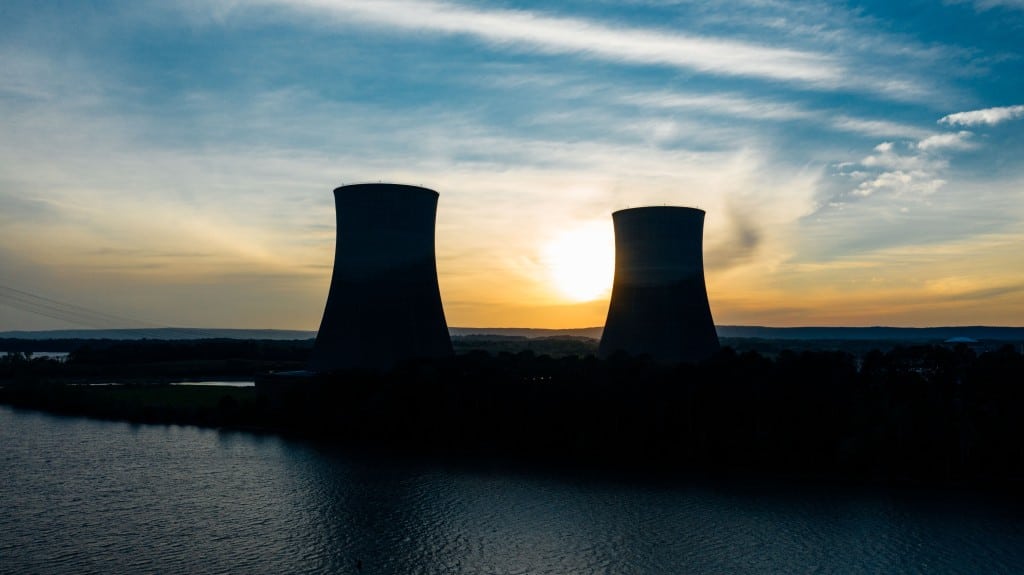
On Oct. 1, Gov. Mikie Sherrill held the first meeting of New Jersey’s Nuclear Task Force, taking a step toward increasing nuclear energy use and decreasing utility costs in the Garden State. This meeting came months after NJ ended its 50-year moratorium on new nuclear energy.
Sherrill established the Nuclear Task Force on his first day in office with Executive Order No. 2. The legislation pushed state programs to accelerate the development of new solar energy, battery storage, and grid stabilization.
With this new task force, Sherrill stated that they “are laying the groundwork to turn new nuclear power into reality through coordinated, strategic action across state government and with cross-sector stakeholders.”
At its first meeting, the Nuclear Task Force established five subcommittees to review permitting, financing, supply chains, workforce growth, and public trust in nuclear power. Members also reviewed a draft charter and outlined “key work to lay the groundwork for new nuclear generation in New Jersey.”
The task force convened amid New Jersey’s recent surge in energy costs. Since June 2025, electric bills have risen by 20% due to the increase in data centers operating within the state, according to New Jersey Policy Perspective.
“New Jersey needs more clean, reliable power to lower costs, meet growing demand, and fuel our economy for decades to come. Next-generation nuclear will help us get there at scale,” Sherrill said in a statement.
The task force also met months after Sherrill signed the Power NJ Act last July, which established an “advanced nuclear energy procurement program.” As of Oct. 2026, New Jersey has only two nuclear power plants, both located in Salem County. With both plants running a combined total of three reactors, they produce 40% of the state’s electricity and over 80% of emission-free power.
Sherrill’s nuclear energy plans continue to draw concerns from local leaders. Dena Mottola Jaborska, associate director of New Jersey Citizen Action, believes the Sherrill administration began pursuing construction of nuclear power plants before determining whether the plan was economically feasible for taxpayers, whom she claimed were underrepresented on the governor’s new task force.
“I want to make sure the ratepayers, who are already overburdened with too high utility rates, aren’t also going to be asked to finance either all or any substantial part of a nuclear power plant, because there’s no way that can be done in an affordable way,” Jaborska said in an interview.
Sherrill’s plan has also faced opposition from environmental organizations over concerns about nuclear waste and public safety. Back in July, Amy Goldsmith, director of Clean Water Action NJ, released a statement opposing Sherrill’s Power NJ Act.
“Contrary to popular belief, nuclear generation is not a green, clean source of power – from extraction to waste disposal. It has public health ramifications and comes at a cost to family who are impacted,” said Goldsmith.
As Sherrill’s energy plans remain controversial, local experts have expressed doubt that nuclear power is the best option for New Jersey. They have called on Sherrill to explore other options, like wind and solar energy, to determine whether nuclear plants are the best, most viable way to meet the state’s growing electricity needs.
“Let’s not make more mistakes and charge into a very expensive energy generation solution before looking at what else is out there…since nuclear power can’t give us any energy for at least 8 to 10 years, we have time to figure it out,” said Jabowski.
Author

Related Articles
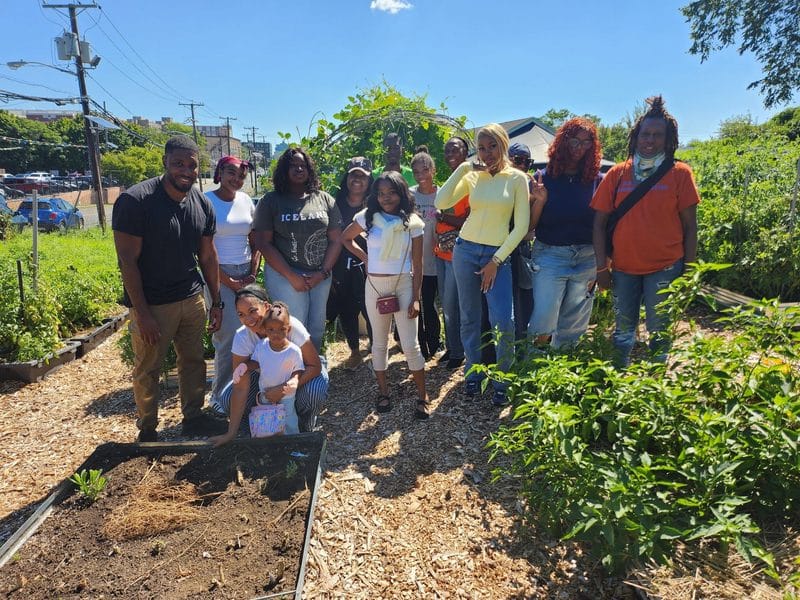
Beyond the Garden Tour: Newark Growers Cultivate Food, Wellness and Community
Newark’s annual citywide garden tour opened farms and green spaces to residents for a week, while highlighting the year-round work to expand fresh food access and keep community gardens rooted in their neighborhoods.