Award-winning Production About Identity, Family, And The Civil Rights Legacy Can Be Seen For One Night Only
Timothy Ware-Hill’s production of We Are can be seen at the DMK Black Box Theater in Union on Monday, Nov. 2.
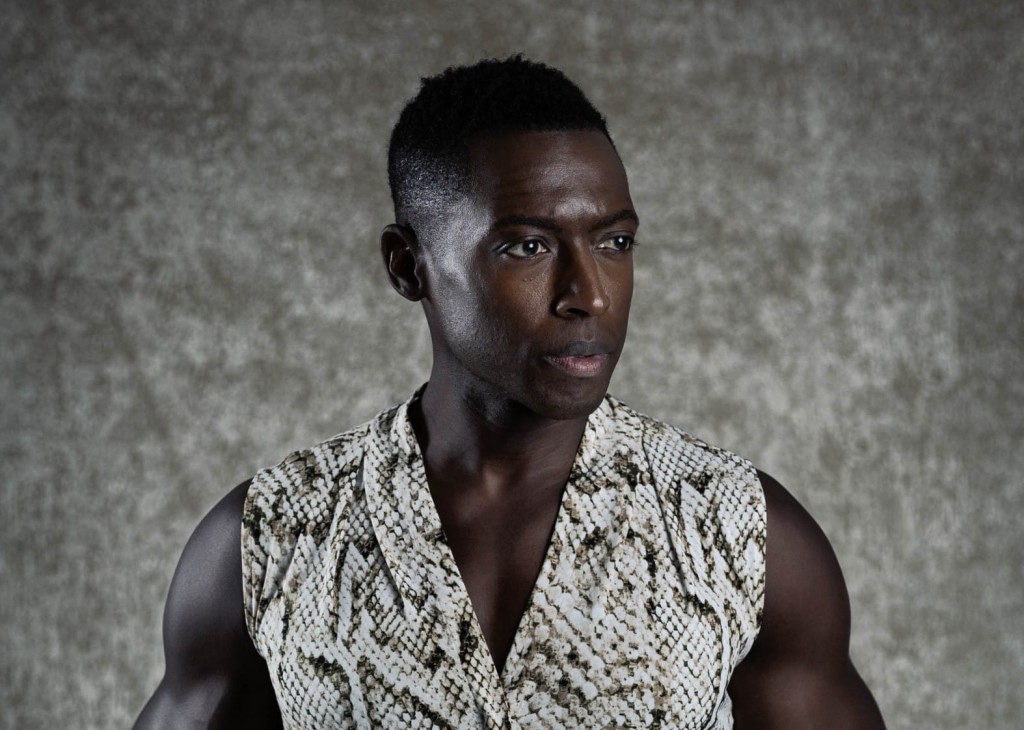
The American Theater Group is bringing audiences together to experience We Are, an award-winning screenplay that won first place through the CineStory Foundation in 2021, for a one-night engagement on Monday, Nov. 2, at the DMK Black Box Theater in Union.
Orange resident and Peabody Award winner Timothy Ware-Hill first developed We Are as a stage musical for himself, using poetry and spoken word as the foundation for the story.
“When I put it together, there were these vignettes that went on telling a bit of my own personal story growing up in Montgomery, Alabama,” said Ware-Hill.
“But the story evolved as time went on and life changed. It became a story about a guy coming to terms with his sexuality and the intersection between his race and sexuality. That’s when it all became We Are.”
Originally written for the stage, the story was adapted into a screenplay in 2020 during the COVD-19 pandemic.
“I thought since Broadway hasn’t figured out a way to continue at this moment and the film and TV world had found a way to continue to shoot, I said let’s do it this way. I had to streamline some of the characters so the focus could be on the primary protagonist.”
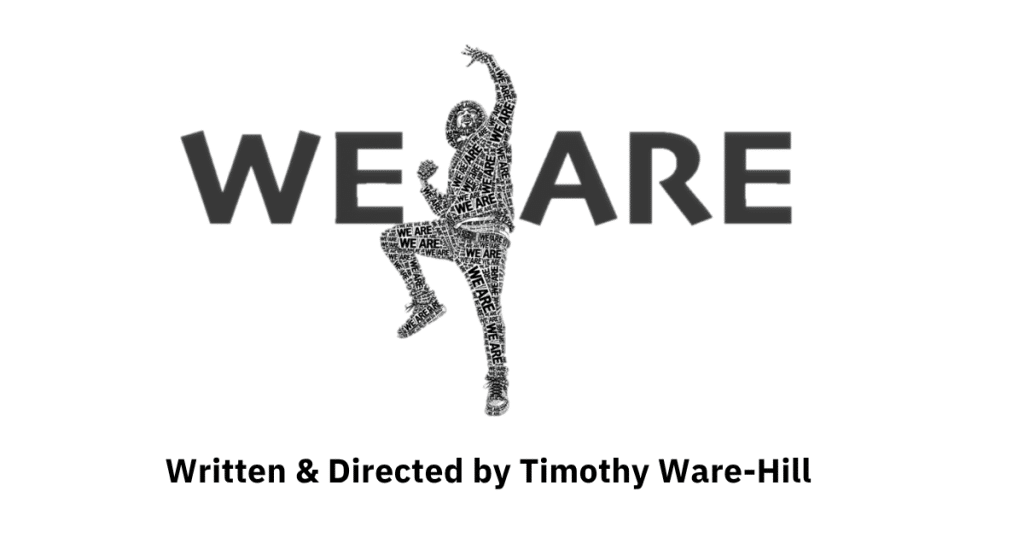
We Are follows Coffee, whose story parallels Ware-Hill’s own in some aspects. The story takes place in Montgomery, AL, where Ware-Hill grew up. Coffee’s grandmother, Annie, is named after Ware-Hill’s own grandmother.
Growing up in a very religious family in the Bible Belt, Ware-Hill came out to his parents when he was 20, an experience that he says forced him to confront feelings of secrecy and shame.
“It was always a journey of self-acceptance because it took a while for my parents to accept it,” said Ware-Hill.
“When my parents struggled with it, I closed off from opening up to other people because if my parents couldn’t accept it, why would anyone else? And while I never got the chance to come out to my grandmother, Annie, I could imagine that she would have loved and embraced me. My other grandmother, Gloria, however, didn’t even bat an eye. It was okay”
This tension, between being one’s true self and navigating how authenticity can impact close relationships, can be seen in Coffee’s character in We Are. Much like Ware-Hill, although he is secure in his identity as a Black man, and proud to fight for the rights of his people, he struggles to locate this same sense of belonging and pride in his identity as a queer man.
In one act, when an unarmed Black man is killed by police, Coffee is asked to lead a peaceful protest in response given his role as a popular spoken word artist in the community but finds himself struggling to fully embrace the responsibility of the role and all that it may reveal about who he is.
“He’s afraid if people find out that he’s gay, then who will listen to him and this entire thing could fall apart,” said Ware-Hill. “Growing up in the church and using my own voice to inspire and speak, but with the constant threat and fear of others finding out who I really am, will it delegitimize me and will people stop listening?”
Much of the story of We Are is told through poetry, humor, and music such as hip hop, rap, R&B, and gospel. As an artist who grew up performing since he was 12, these were all elements that Ware-Hill was surrounded by.
“It made sense to tell the story as a musical. There’s something special that a musical does. It makes space for an audience to come in and take the journey since we’re already asking them to suspend disbelief with people who are going to break out into song. While their guard is somewhat down, I think it allows for a story that may carry some weight to be received and heard.
While We Are is a story at least in part about the Black Lives Matter movement, it’s not at the forefront of the story but the backdrop. Ware-Hill equates this to The Sound of Music, where the story orients itself around World War II without completely centering it in the narrative. Instead, it can be described as a love story between Coffee and his father—a pastor who is struggling to accept him—his community, and between Coffee and Reese, an alluring new stranger that comes to Montgomery and reawakens Coffee’s repressed sexuality.
“It’s the catalyst for Coffee to ask what kind of life he wants but it’s also a love story between Coffee and himself,” says Ware-Hill. “That’s the journey. He needs to ultimately accept himself.”
In addition to being a story about love, identity and relationships, Ware-Hill also asks the audience to consider the role of setting and environment.
The city of Montgomery has its own unique racial history, serving as an important location during the Civil Rights movement of the 1950s and 60s.
With a police shooting serving as a crucial moment in the plot, We Are raises questions about what unfinished business the American Civil Right movement has left in these southern towns.
“The southern charm thing is real,” said Ware-Hill. “Everybody’s polite to each other. But when it comes to the politics of things, that’s where you see the clear divide when it comes to race.”
“The targeting of Black and Brown bodies and the lack of benefit of doubt no matter how good we come across or well mannered we may be. If something happens, the benefit of doubt goes out the window and we become a scapegoat of the deep seated racism in this nation.”
Ultimately, the live production of We Are aims to give investors a sense of the film’s potential ahead of its anticipated 2027 production, with hopes of securing major film festival consideration and distribution.
The DMK Black Box Theater is located at the Union Arts Center at 1980 Morris Ave., Union. Tickets can be found online at uniontownship.com.
Author

Related Articles
Climate Drama Explores The Future Of Earth And Space
Premiere Stages presents Walden Sept. 4–21 at Kean, a play about climate change, space exploration, and family conflict.
Whitney Houston Birthday Tribute To Feature NJ’s Raena White
Raena White returns to Joe’s Pub August 9th with “Dear Whitney”, a soulful tribute show honoring the legacy of Whitney Houston.