
NJ Goes Green with New Law Providing Easier Access to Solar Energy
Thanks to new legislation, New Jersey will help renters and low-income residents access cleaner, more affordable energy.

On Sept. 1, Gov. Mikie Sherrill signed the Garden State Balcony Solar Act (S2368/A4836), making it easier for state residents to buy and use portable, plug-in solar panels.
This legislation exempts these portable panels of up to 1,200 watts, roughly the same wattage as a microwave oven, from certain utility rules. At the same time, it requires landlords, homeowners’ associations, and similar entities to allow people to use and install them without a permit. The Balcony Solar Act will take effect on Mar. 1, 2027.
“This bill cuts unnecessary red tape, expands access to affordable solar power, and proves that affordability and sustainability can go hand in hand,” Sherrill said in a statement.
Under this new law, state residents who don’t have a private rooftop will have easier access to cleaner energy by setting up a panel on their balcony. Residents who rent or live in apartments in New Jersey make up an estimated 37% of the state population, or roughly 3.5 million people.
Jesse Sutherland, policy director at the New Jersey League of Conservation Voters, said easier access to solar panels will help lower electricity spending. A University of Surrey study found solar energy to be the cheapest source of electricity in the world, with the cost to produce a single unit of power as low as 2.7 cents.
Sutherland added that the Balcony Solar Act would especially benefit Northern New Jersey, as counties like Hudson, Essex, and Bergen have the most urban communities with the highest population densities in the state.
“By putting this power into renters’ hands and giving them control over their own utility bills, it definitely helps the affordability crisis and makes us less reliant on some of the volatile fossil fuels where prices change all the time,” said Sutherland. “Solar is much more consistent than our fossil fuels.”
This new legislation is expected to have a significant impact on communities of color in New Jersey. Not only will it provide easier access to more affordable energy. It will also help reduce unhealthy air pollution, which is 61% more likely to affect communities of color than white communities, according to the American Lung Association.
Marcus Sibley, chairperson of the New Jersey Progressive Equitable Energy Coalition, supported the law. However, he hopes that the law will soon offer exemptions to solar devices with larger energy capacities. He also hopes such devices will become more affordable for state residents.
“We all can agree that we [all] win if there’s more people bringing in solar power; not only is it lowering people’s bills, but that means [there’s] more and more people who aren’t using fossil fuels,” Sibley said in an interview.
With the Balcony Solar Act taking effect in six months, its success ultimately depends on how many people choose to purchase portable panels. As the state prepares to implement this law, local advocates have called it a strong first step toward proving more affordable, eco-friendly energy.
“We’re grateful for the precedent that’s being set, but the reality is 1,200 watts can definitely be built upon,” said Sibley. “And we’re hopeful that some data can be taken now [that] this has been legalized. People can see that there’s a capacity for more. There’s a desire for more, and then we can bring more power online for people.”
Author

Related Articles
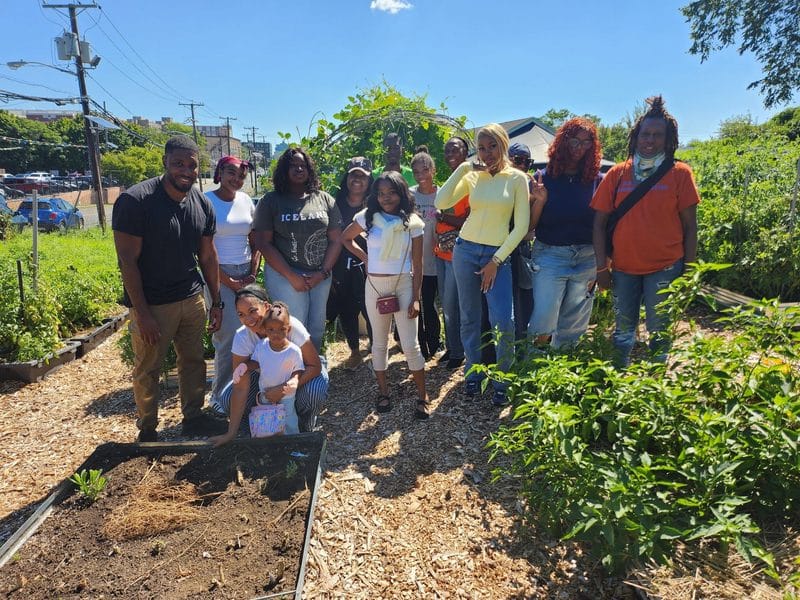
Beyond the Garden Tour: Newark Growers Cultivate Food, Wellness and Community
Newark’s annual citywide garden tour opened farms and green spaces to residents for a week, while highlighting the year-round work to expand fresh food access and keep community gardens rooted in their neighborhoods.

NJ Bill Would Ban Using Green Acres Funds For Artificial Turf Fields
A New Jersey bill that would prohibit Green Acres funds from being used for artificial turf fields advanced unanimously from an Assembly committee, with environmental advocates and turf industry representatives offering opposing views.
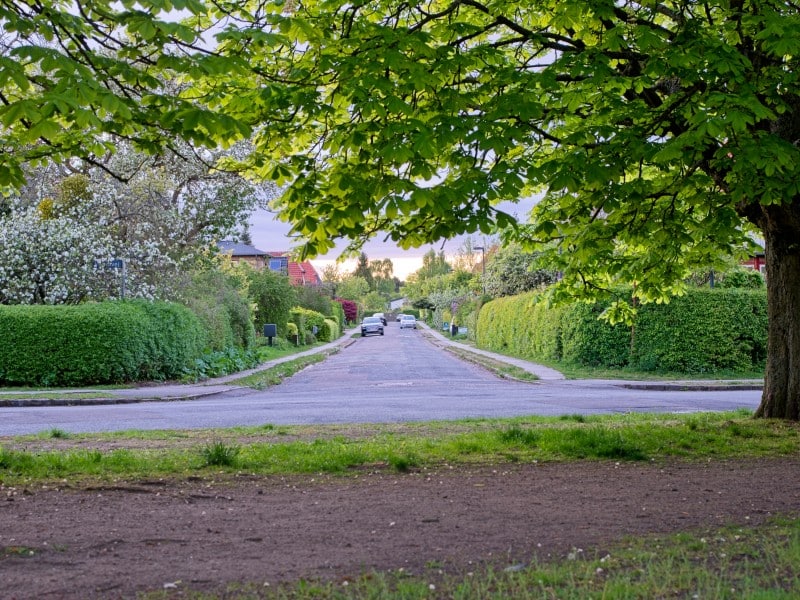
Trees Make A Difference In Camden
A non-profit is planting trees in an effort to prevent flooding, improve air quality, and beautify the urban area.