
NJ Demand For More Free and Low-Cost Medical Centers On the Rise
With federal funding cuts on the horizon, more New Jersey residents are relying on free or low-cost health centers.

New Jerseyans are turning to Community Health Centers as more people risk losing access to health insurance due to federal funding cuts.
The U.S. Census says that 9.2% of NJ residents under 65 currently live without health insurance. More locals are expected to face challenges as the Trump Administration implements new Medicaid eligibility requirements via the One Big Beautiful Bill Act (OBBBA).
At the same time, New Jersey is expected to lose $3.7 billion in federal funding by 2030 due to OBBBA, with a majority of the cuts affecting hospitals and physicians.
Laura Waddell, health care program director of New Jersey Citizen Action, said there has been widespread concern among immigrant communities, in particular, about losing their health insurance. She expects more immigrants to lose their coverage when new eligibility requirements take effect on Jan. 1, 2027.
In response to these Medicaid cuts, NJCA set up an online database to help find free and low-cost Community Health Centers in New Jersey.
“We hope that our community will embrace it…The more people that know about it and the more people contribute to it, it will be a great resource now, and it can be even more robust as we can get more providers and service organizations,” Waddell said in an interview.
Community Health Centers, also known as Federally Qualified Health Centers (FQHCs), offer free or low-cost treatment regardless of immigration status or ability to pay. Treatments include primary care, preventive care, immunizations, dental care, cancer screening, and ear and eye screenings.
These health centers include those in the newly formed New Jersey Free Clinic Association, which provides care to people in Bergen, Camden, Cape May, Monmouth, and Ocean counties.
According to New Jersey Monitor, these clinics rely on low-paid staff and volunteer doctors and nurses, with no insurance or federal funding. However, they have received funding from the state government, community foundations, and private foundations.
“It’s sort of like an ‘all hands on deck’ moment right now between stakeholders throughout the health system and the state, and everyone is on the same team in wanting to make sure that folks in our state who are losing coverage can access health care,” said Waddell.
Waddell cited Cherry Hill Free Clinic as a great model for other health centers to follow in providing care to the uninsured. Founded in 2017 by Jubril Oyeyemi, MD, the facility has operated for nearly ten years using a model that provides a variety of affordable services from “scores” of medical practitioners.
“Many of us are one major life event away from losing health insurance. As Medicaid funding gets cut and Medicaid eligibility tightens, millions of Americans are at risk of crushing medical debt,” wrote Oyeyemi.
In an interview with NJ Urban News, Oyeyemi said that residents of Northern New Jersey have taken two-hour trips to his free clinic in Camden because they could get appointments without health insurance. Many of these individuals have put off seeking health care because of high out-of-pocket costs.
“Too often, folks get referred to us from the hospital after something catastrophic has happened because they lost coverage and rationed their medicines until they ran out and weeks go by, and then, something catastrophic happens,” Oyeyemi said. “So I really would just want to push the message out to folks to seek help sooner.”
With new Medicaid regulations threatening to leave more New Jerseyans without insurance, local advocates and health experts have emphasized seeking care at free clinics. They have also encouraged people to apply to Get Covered New Jersey before Dec. 31, before new eligibility requirements take effect.
Author

Related Articles

Purple Diamond Awards Gala to Honor Community Leaders and Support Domestic Violence Survivors in NJ
The Black Fairy Godmother Foundation’s 11th annual fundraiser will recognize advocates, nonprofit leaders and public figures while raising support for emergency housing, financial assistance and services for women and families in crisis.
Newark Community Garden Works to Address Food Insecurity and Expand Access to Fresh Produce
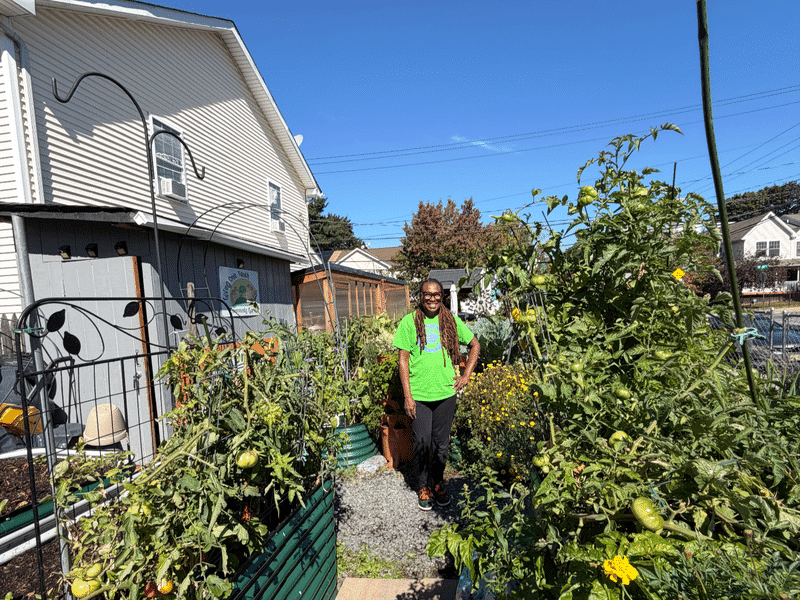
Giving One Tenth Community Garden is working to provide fresh, culturally relevant produce while bringing Newark residents together through gardening, education, and volunteer opportunities.