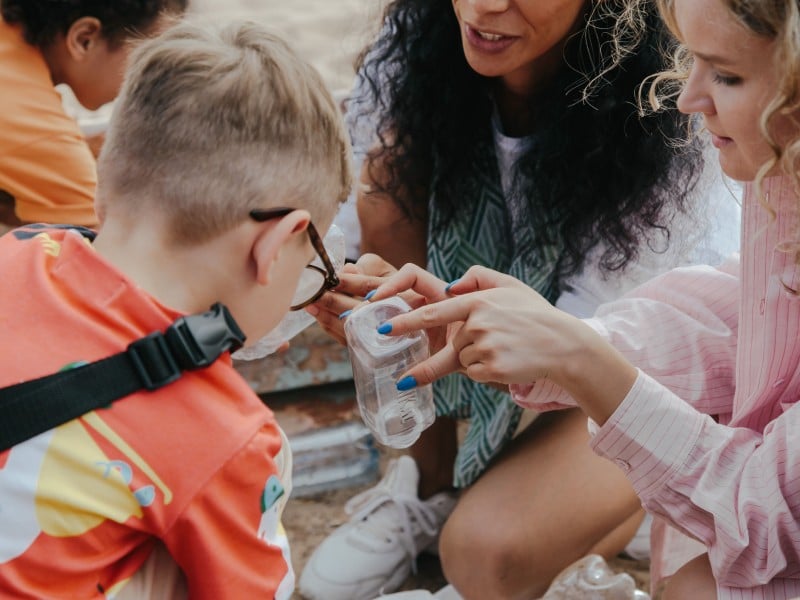
Greater Newark Conservancy Aims To Cultivate Community And Wellness
For nearly 40 years, the nonprofit has connected Newark residents with fresh food, environmental education and hands-on opportunities to strengthen community wellness.
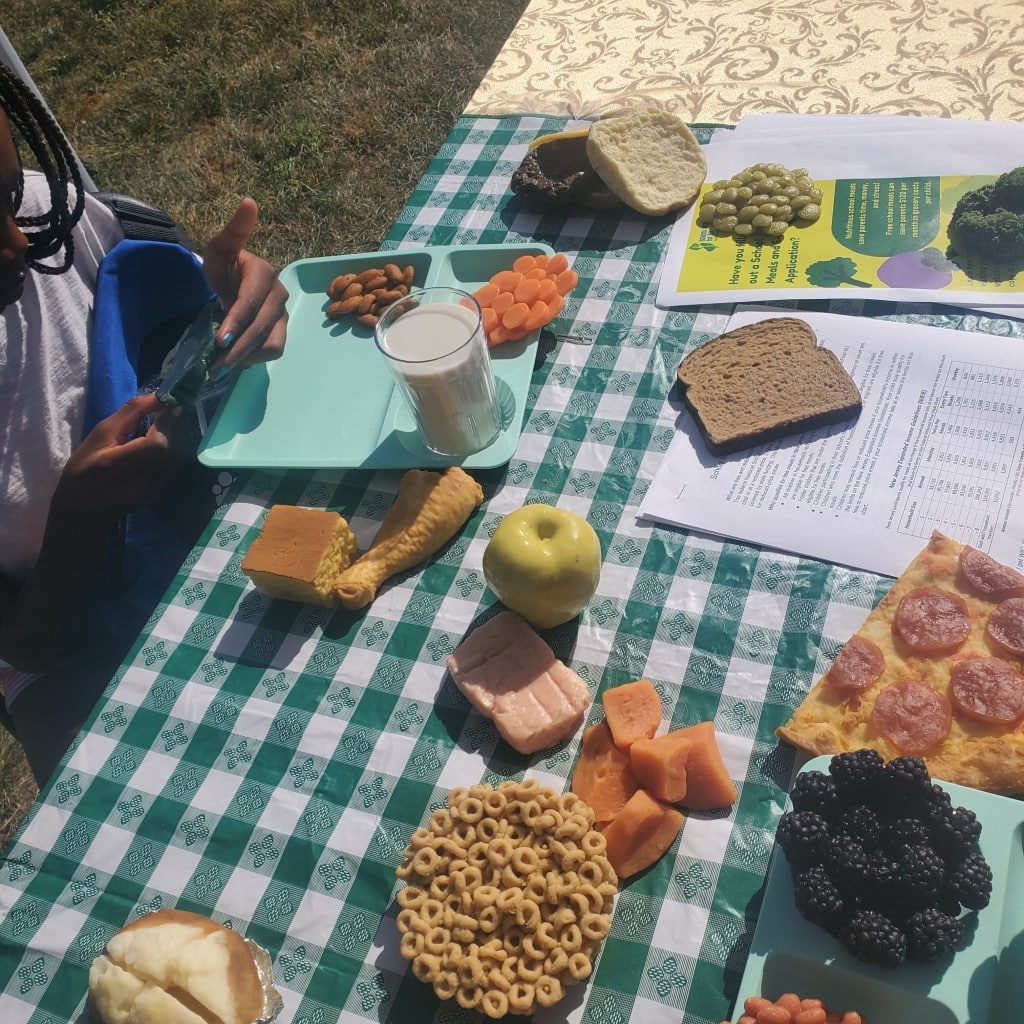
For almost 40 years, the Greater Newark Conservancy has given the community access to healthy food, educational and hands-on experiences and the opportunity to celebrate nature’s unique ability to heal and uplift.
Founded in 1987 as a community gardening initiative, the nonprofit has “grown into a leading force in urban agriculture, environmental education, and community wellness,” the group said on its website.
The Greater Newark Conservancy’s website also said they believe “that through nature, healing happens, hope grows, and stronger communities take root” and envision a future where “people feel connected to nature, have access to fresh, healthy food, and can learn and grow in green, welcoming spaces.”
Food Access in Newark
Part of the Greater Newark Conservancy’s importance in the community stems from many residents’ inability to reliably access fresh food.
In February 2022, the Board of the New Jersey Economic Development Authority published a list of 50 food desert communities in the state.
The list broke down each of the 50 communities by Highest Block Group (BG); Food Desert Factor Score; Population Weighted Average Food Desert Factor Score; Composite Food Desert Factor Score; Average Food Desert Low Access Score (supermarket) and Food Desert Population in 2020.
Newark East received a BG score of 88.9, Newark South received a BG food desert score of 85.8, Newark West received a BG food desert score of 83.5 and Newark North and Central received a BG food desert score of 83.1.
Information on the methodology of this study is available here.
Research has found that living in a food desert may cause negative health effects.
Health Central reported on a study from the Journal of Urban Health that “found the life expectancy of the 47 million Americans who reside in so-called food deserts is more than two years lower than for people who live in high-income areas with easy access to healthy food.”
Six Dimensions of Food Security
One goal of the conservancy is to help address this food insecurity and defend against the negative biopsychosocial impacts it can have on an individual.
“Understanding what healthy food is, where healthy food can be found and how healthy food is consumed is really important to one’s general well-being,” said Chesha Hodge, the director for the Coalition for Healthy Food for Newark Students at The Greater Newark Conservancy.
She says her department’s work is primarily concerned with understanding the intersections between nutritional health, its impacts, and education.
The Coalition for Healthy Food for Newark Students (CHFNS) utilizes a concept called the Six Dimensions of Food Security, outlined by New Jersey’s Office of the Food Security Advocate.
The Six Dimensions of Food Security are:
- Availability: the physical presence of food
- Access: the resources and means to obtain food
- Utilization: the intake of sufficient and safe foods
- Stability: the reliable supply of food over time
- Agency: the power to make decisions about foods eaten and produced
- Sustainability: the food system’s ability to provide long-term security
According to the Greater Newark Conservancy’s website, CHFNS partners with organizations like Wellness in the Schools, FoodCorps NJ, The Common Market, and Urban Agriculture Cooperative to spread awareness about nutrition.
“Whether you’re a parent, educator, grower, or advocate, your voice matters. Together, we’re building a stronger Newark—one school meal and garden at a time,” the conservancy said on its website.
In addition to the Greater Newark Conservancy, New Jersey’s Office of the Food Security Advocate has also adopted the six dimensions of food security into its work.
“The six dimensions help us see food security as a dynamic system rather than a single outcome. Each dimension represents a necessary condition for food security, and none is sufficient on its own.”
The six dimensions of food security matter because some New Jersey residents face food insecurity more than others: “Nearly 1.1 million residents (11.7%) experience food insecurity, and the burden falls disproportionately on Black, Latino, immigrant, and single-mother households,” according to the Office of the Food Security Advocate.
Nutrition Education
Patrick Evans, the Senior Program Manager for the Youth and Family Education Department at the Greater Newark Conservancy, described a number of educational programs aimed at families, schools and scout troops.
The group hosts a monthly event called Family Fun in the Kitchen.
The Conservancy’s website says the event “encourages children and adults to try new foods, practice nutrition habits, and prepare meals at home—supporting health and well-being across generations.”
Evans said tickets for Family Fun in the Kitchen usually sell out.
“Parents play the most important role in providing their children with healthy, sustainable eating. The Conservancy hopes to provide options and explore new opportunities in healthy, sustainable eating for parents, kids, and individuals in Newark via our program services,” said Wilson Cano, Executive Director of the Greater Newark Conservancy.
The education department also goes to schools to engage students in the organization’s mission.
In addition to the educational programs, the Greater Newark Conservancy also has a school garden workshop series, which Cano says not only fosters community but also strengthens one’s connection to food and nature.
Evans also contributes to those programs.
He hosts monthly School Garden Maintenance Workshops, which teach participants how to approach the grant writing process, identify potential funding opportunities, communicate the goals and impact of their school garden and explore fundraising strategies to help support their program, a post on the conservancy’s LinkedIn read.
Connecting with the Conservancy
The Greater Newark Conservancy offers volunteer opportunities to both individuals 15 years or older and community or corporate groups.
Some of the duties of the volunteers include: planting vegetables, maintaining green spaces, supporting educational workshops, and helping at community events.
Michele Robinson, managing director of The Greater Newark Conservancy, said they have around 500 volunteers a year.
To apply to be a volunteer, fill out this form.
The Greater Newark Conservancy has profiles on Instagram, Facebook, and LinkedIn.
Related Articles
NJ Advocacy Groups To Intervene In $44 Million Enforcement Action Against JCP&L
Local advocacy groups seek to hold Jersey Central Power & Light accountable for failing to provide standard storm response and grid reliability.