
Where Men Gather, Health Can Follow
What one evening of football, fellowship, and health screenings revealed about reaching Black men.
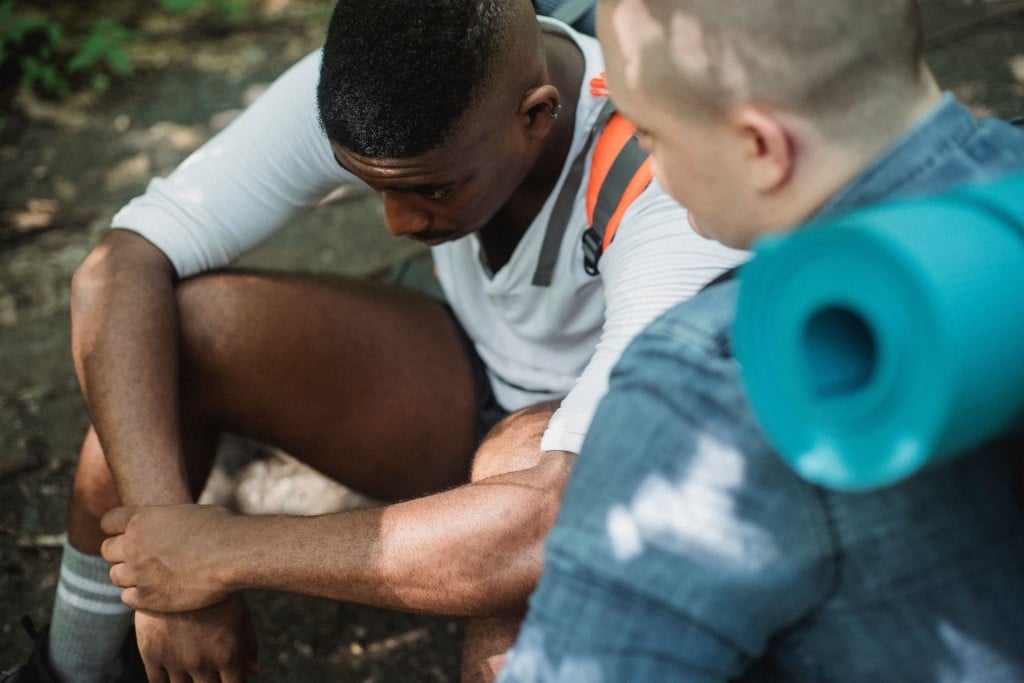
It was a cool fall evening when I arrived at Newark Beth Israel Medical Center’s Ray Murphy Men’s Health Night. Walking into the room, I was struck by the sight of a sea of Black men, young and old, excited to be there. Men were laughing, greeting familiar faces, moving through health screenings, and eagerly completing their screening passports.
Others arrived in groups, ready to spend the evening enjoying football, food, and fellowship.
As a family physician, I found myself asking a question: Why can’t more of our healthcare experiences feel this welcoming?
One mantra we repeat constantly in public health is: meet people where they are. I’ve come to believe we need to think more deeply about what that actually means.
Building Trust Through Brotherhood
Showing up in someone’s neighborhood is just the beginning of deep relationship-building. Earning their trust takes something more: context. We must understand the people we hope to reach, the spaces where they feel comfortable, and the experiences that make them want to participate.
For many men, especially Black men, putting their trust in healthcare is a complicated endeavor I see the effects of in my examination room.
Oftentimes, men arrive already on guard. They’re prepared to hear something is wrong, to defend their decisions, or to resist another prescription. They want to know their numbers, but they also want to know that the person sitting across from them respects their beliefs, concerns, and lived experiences.
I also believe men are hungry for connection, even when we struggle to admit it.
Too many of us have been taught to carry our burdens quietly. Over time, that silence can become deeply isolating. There is something liberating about being around other men who are willing to speak openly about the same struggles we’ve kept hidden.
Shared experiences create accountability. Brotherhood gives men permission to be vulnerable.
And the event’s growth tells an important story. Attendance increased from 226 men in 2023 to more than 450 in 2025. Hundreds of men have continued to show up, year after year, for an evening centered on their health.
Turning Conversations Into Lasting Change
We need to challenge the narrative that Black men are difficult to reach.
Perhaps we should, instead, evaluate how men are invited into healthcare spaces, how we communicate with them, and whether we’ve made them feel genuinely welcome.
Ray Murphy Men’s Health Night offers a model worth building upon. The screening passports encouraged participation. The promise of football and fellowship brought men together. The atmosphere made health conversations feel approachable.
I left thinking about the man whose blood pressure was elevated, or whose screening raised a concern. What happens when he gets home? Does he have a primary care physician? Will someone help him understand his results and take the next step?
We should make it easier for men to register for care on-site, speak directly with a clinician about concerning findings, and leave with a clear follow-up plan.
Through my work with The ManKave, I’ve become convinced that men’s health must be an intentional community health strategy. We must organize around issues that matter to men, create spaces where they feel connected, and build relationships that extend well beyond a single gathering.
I often return to a philosophy that guides my work: Building Better Men Leads to Better Communities.
Our sons are watching how we care for ourselves, how we support one another, and how we respond when life gets difficult. Their future is our responsibility.
The men showed up. They brought their friends, their energy, and their willingness to participate.
Now the responsibility is ours to ensure the conversations continue, the relationships deepen, and the next generation inherits a healthier understanding of what it means to be a man.
Related Articles
Fresh Chef Foundation to Provide Thanksgiving Food to 1,000 Newark Families, With Special Guest Isaiah Likely
New York Giants tight end to join Chef Ameer Natson, Gomes Group and Urban League of Essex County for Thanksgiving Together 2026.
NJ Demand For More Free and Low-Cost Medical Centers On the Rise
With federal funding cuts on the horizon, more New Jersey residents are relying on free or low-cost health centers.

Purple Diamond Awards Gala to Honor Community Leaders and Support Domestic Violence Survivors in NJ
The Black Fairy Godmother Foundation’s 11th annual fundraiser will recognize advocates, nonprofit leaders and public figures while raising support for emergency housing, financial assistance and services for women and families in crisis.