
How BlackMenHeal Is Rewriting The Narrative On Black Men’s Mental Health
By offering free, culturally responsive therapy, this grassroots nonprofit is dismantling cost, stigma and systemic barriers to healing.
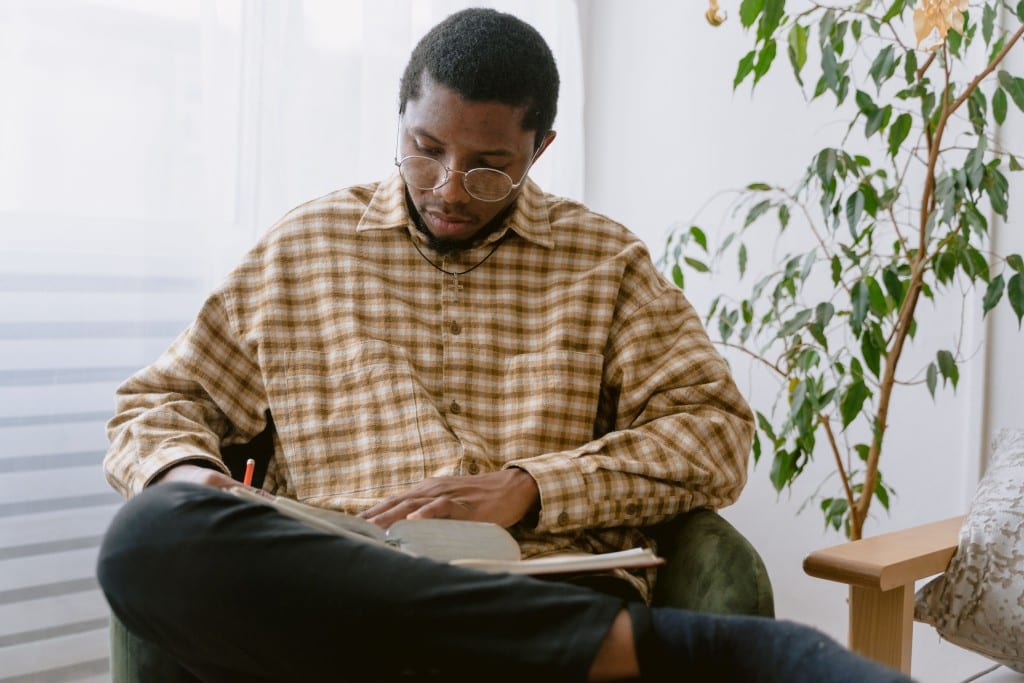
In 2018, two therapists, Tasnim Sulaiman and Zakia Williams, found a critical gap during their work. They noticed there were too many Black men suffering in silence due to the many barriers therapy brings. They knew that, when men heal, entire families and communities heal and generations can be impacted.
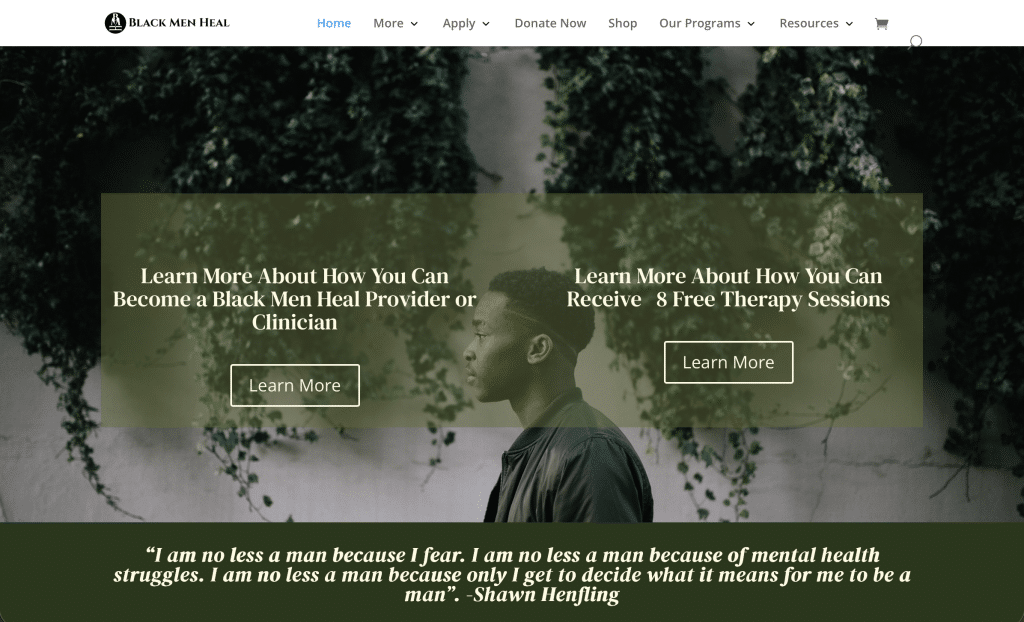
This drove them to create BlackMenHeal, a grassroots nonprofit, to fill this gap in mental healthcare. The organization pairs clients with a contracted therapist of color for up to eight free therapy sessions. The organization seeks to address three barriers to Black men receiving care: access to culturally responsive therapists, cost and stigma.
“This cause matters because healed men help build healthier families and healthier communities,” said E. Bernard Alexander, a program coordinator for BlackMenHeal. “When a man learns to process his pain, communicate better, manage stress, address trauma, and ask for support, the benefits do not stop with him. They ripple outward.”
The Barriers
One of the main barriers is simple: Black men often cannot relate to their therapists, Alexander said. A non-Black therapist may not understand the prejudice, racism, family dynamics, lived experiences, and other unique pressures Black men face in their daily lives, he noted.
“When a man feels seen and understood, it can lower the wall and make it easier for him to open up,” Alexander said.
Every therapist BlackMenHeal contracts is a therapist of color, allowing for clients to receive the culturally responsive care often unavailable. In the United States, over three quarters of therapists are white and only 4% are Black.
Another barrier is cost. Individual therapy averages between $120 and $200 a session. Online therapy is more affordable, costing $80 to $150 on average per session. Rather than spending nearly $1,000 on eight sessions, BlackMenHeal offers the opportunity to receive those same eight sessions for zero dollars.
Another barrier around men’s mental healthcare is the fear and stigma around seeking services. Men represent 80% of all deaths by suicide, but few then half sought mental healthcare in 2024. Alexander said that Black men are “taught, directly or indirectly, to carry pain quietly” and handle mental health needs “alone.”
He noted that “counseling has not always felt like a safe place” for some Black men.
“Labels, diagnoses, school-based behavioral concerns, or institutional responses have sometimes been used in ways that felt harmful rather than healing,” said Alexander. “So the work is not only about telling Black men to go to therapy. It is about making therapy feel trustworthy, culturally aware and connected to their real lives.”
Approach and Programs
BlackMenHeal matches specific therapists for people’s needs. They say this approach has been successful, as 75% of clients have stayed with their matched therapist after the eight free sessions.
“That matching process matters because Black Men Heal is not just trying to place someone anywhere,” Alexander said, “the goal is to help create the best possible chance for a strong therapeutic relationship and meaningful healing.”
Not only does BlackMenHeal provide these one on one therapy sessions, it provides multiple virtual weekly programs to support Black mental health and encourage virtual community.
“These spaces matter because therapy may happen once a week, but people still have to live the rest of the week,” Alexander said. “Community support helps fill that gap.”
King’s Corner is one of those weekly virtual meetup groups, where men can discuss important issues such as male depression, stress management, grief and fatherhood with a qualified host. Vulnerability, brotherhood and community are promoted at these meetings.
“We refer to the men we service as, ‘Kings’,” Sulaiman wrote on BlackMenHeal’s website, “to reinforce and reframe the notion that seeking help is weakness. We recognize this as a strength.”
Their other program, Heal With Him, discusses healing, relationships, and the impact mental health has on family and community.
“There is something powerful about being in a room, even a virtual room, with people who understand parts of your story,” Alexander said. “Sometimes someone else says something that helps you name what you have been carrying. Sometimes another person’s perspective helps you see your situation differently.”
Looking Forward
While BlackMenHeal plans to continue their individual therapy and group programs, the organization intends to push their work forward via multiple avenues.
The organization runs a campaign, “Beyond the Game: One Yard Closer to Healing,” partnering with athletes of color and community leaders to shine a light on the challenges men face out of the spotlight, such as stress, trauma and anxiety.
BlackMenHeal is also launching “The Noble Project” to support Black men seeking mental health services in Baltimore and Philadelphia. The Noble Project intends to sponsor 25 men to receive the services BlackMenHeal provides.
“The goal is not just to get people talking,” Alexander said. “The goal is to help people heal, grow, and return to their families and communities with better tools, better language and greater support.”
Author

Related Articles
Have The Conversation
Why Black men should talk with their clinicians about prostate cancer risk before symptoms appear

Food Insecurity Has Nearly Doubled In NJ Since Pandemic, Study Says
New Jersey has reached a new level of food insecurity since 2020, with local advocates pointing to higher living costs and changes to federal food assistance programs.