New Mobile Health Clinic Provides Equitable Care to Essex County
RWJBarnabas Health and Essex County are delivering aid directly to local residents with its new mobile pediatric unit, bridging gaps in health care access.
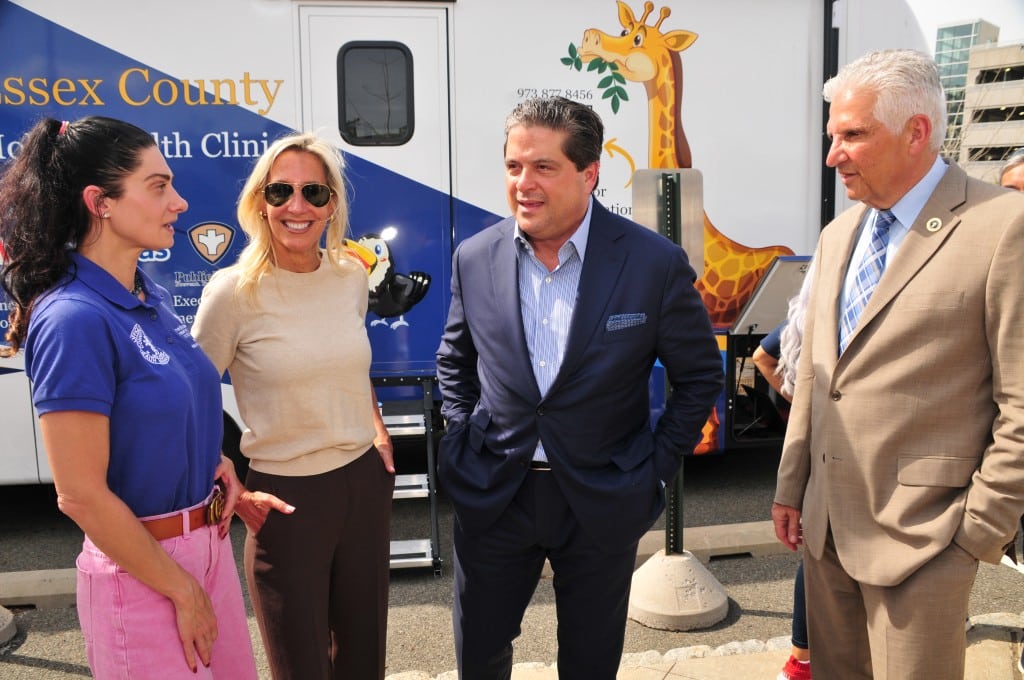
A new pediatric mobile clinic has launched in Essex County, providing crucial and routine medical services to local children. This initiative will make healthy living more accessible for students and families who face barriers to gaining preventive care.
RWJBarnabas Health partnered with Essex County to launch a new pediatric mobile clinic, accessible on Thursdays from 3:30 to 6:30 p.m. across all 22 municipalities in Essex County. This is one of two mobile health units currently operating, with the other dedicated to treating adult residents.
“Together, these units expand access to essential services by bringing care directly into communities across the county,” said Courtney Lynch, director of Community Health communications for RWJBarnabas Health.
The mobile clinic is funded through RWJBarnabas Health’s “Our Healthy Communities” initiative. This partnership of community and faith-based leaders, care providers, and civic organizations has worked to address the causes of health care disparities in New Jersey, investing over $151 million into creating sustainable solutions.
The New Jersey Department of Health granted the new pediatric mobile clinic a Medical Facility License, allowing it to expand its services beyond pediatric vaccinations. With this license, the clinic will be able to offer free physical exams, vision screenings, and hearing screenings to children ages 3-18 who are uninsured or covered by Medicaid Plan A.
According to Margie Heller, RWJBarnabas Health’s senior vice president of community and global health, her organization worked with Essex County to launch this mobile unit to “break down barriers that can make it difficult for families to access care, particularly when it comes to routine screenings, physicals, and vaccinations.”
“We know that challenges like transportation, scheduling, and time constraints can delay care for children, so this program is designed to bring essential services directly into neighborhoods, schools, and community settings,” said Heller. “The mobile clinic allows us to meet families where they are and help ensure children are healthy, prepared for school, and set up for long-term wellbeing.”
Essex County is one of New Jersey’s most diverse counties, with Black and Hispanic residents making up more than 60% of the population, and a median household income below the state average.
In 2017, the American Journal of Public Health reported that 5.8 million people in the U.S. (1.8% of the population) delayed receiving health care because they lacked transportation. The study found that communities of color reported higher rates of this transportation barrier. Hispanic people, in particular, were 1.5 times more likely than non-Hispanic white people to report this issue.
People living below the poverty line were also found to be more likely to report delays in receiving health care. According to the U.S. Census Bureau, 13.4% of Essex County’s population lives below the poverty line, a number higher than the national average of 10.6%. 16.4% of low-income working families in Essex County include children under the age of 5 living in poverty, while 19.2% include children ages 5 to 16.
Thanks to the new mobile pediatric clinic, medical professionals will meet families and children whenever and wherever they are available, ensuring no one misses an appointment with extended evening hours and rotating locations throughout Essex County. The unit will also help them bridge inequities in state health care and provide all of New Jersey’s communities with access to essential services.
Following the expansion of the Essex County program, RWJBarnabas Health is exploring ways to broaden its reach to more families in New Jersey. They now intend to launch mobile health units in other counties, particularly Union County, hoping to create greater health care equity in the Garden State.
“As we continue to evaluate community needs, we remain focused on scaling innovative approaches like this one that bring care closer to home and make it easier for families to access essential services,” said Heller.
Author

Related Articles
Lamp For Haiti Marks 20 Years Of Bringing Healthcare To Cité Soleil
The Haiti-focused nonprofit is celebrating two decades of providing healthcare in Cité Soleil as rising needs put new demands on its medical programs.
Have The Conversation
Why Black men should talk with their clinicians about prostate cancer risk before symptoms appear