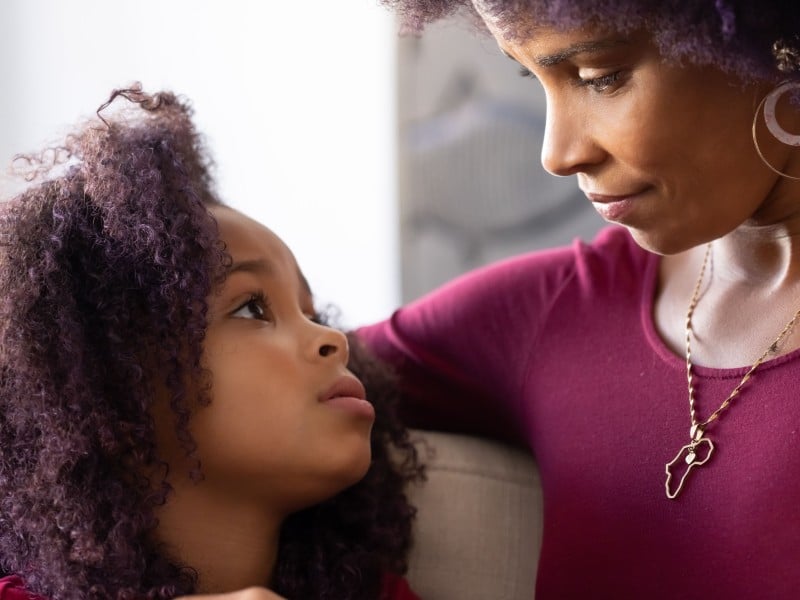
Toms River HS Senior Uses Virtual Reality Headset to Manage Painful Bouts with Sickle Cell Disease
Third in a three-part series
“I participate in most of the activities at school, including exercising during gym class, but I have to be careful because I never know when a pain crisis is going to happen,” said Edwin, 18. “My friends treat me fine – they’re okay. But they really don’t understand what it’s like to live with sickle cell disease. Even my teachers don’t really understand the challenges I face and the pain I have to deal with regularly.”
Edwin’s mother, Eunice Amartey, said school officials have often exacerbated the challenges she and her family have faced during her son’s four-year matriculation at Toms River High School.
“Whenever he’s absent from school, they still send letters or call which is annoying because we have already provided his documents explaining his health,” Amartey said. “The last time, I went to see the assistant principal because I was very upset. I said he’s a senior and is going through a lot and while he may not have the required number of attendance days, he makes his work up.
“It hurts me to see him get upset over this – it angers me. The last time the attendance official tried to make apologies but this is something Edwin’s been going through all four years in high school. They should just read the records. I can’t count the number of times the nurse has called and I’ve had to pick him up from school,” Amartey said.
Starlight Foundation gives Edwin a tool for coping with pain.
The Amarteys are the first patient family at Hackensack Meridian Children’s Health at K. Hovnanian Children’s Hospital, which is on the campus of Jersey Shore University Medical Center in Neptune, to benefit from the Starlight Foundation’s donation of a Starlight Virtual Reality headset. A nonprofit organization founded in 1982 and based in Los Angeles, Calif., Starlight’s programs include providing hospital wear, games and deliveries to hospitalized children.
During a child’s hospital stay, they may undergo difficult and painful procedures. That pain frequently continues after they return home. Starlight Virtual Reality (VR) helps distract children during treatments and as a resource to reduce stress and anxiety. Starlight VR is a technology program that can help hospitalized children engage multiple senses, providing a more pleasant experience, according to information on the organization’s website.
Edwin said he likes immersive video games that transport him into an alternative world where he feels more like the character he’s playing.
“I often play Beat Saber (a virtual reality rhythm game) – music allows me to be creative,” he said. “There are other people using the program and we play games and create together which I like because it helps me establish connections with others who have health challenges like me. Sometimes I use the VR headset because I’m bored at home. But when the pain gets really bad, there’s not a lot I can do. So, I take a lot of meds to ease the pain,” Edwin said.
Knowledge is the key to better outcomes.
“Our family is from Ghana but Edwin was born in Michigan,” Amartey said. “One of the things that frustrates me the most is how little people in America know about sickle cell disease. In Africa, where sickle cell is common, everyone is aware of the disease. But in America, most people know very little about it or its impact. Awareness is severely lacking. I’ve tried to explain things to my coworkers but even they don’t understand. As for Edwin’s classmates, while they know he gets sick a lot, they aren’t sure exactly why.”
Edwin said despite the pain, he’s still optimistic about the future.
“This year hasn’t been as bad as my earlier years at school,” he said. “I’ve been in and out of the hospital most of my life and usually need to see my doctor every three months – sometimes more. And because I miss so many days at school it’s sometimes difficult to catch up. But I will graduate on time. After that, I plan to attend Universal Technical Institute in Pennsylvania and study auto mechanics because I’m very good with my hands.”
In 2022, 592 hospitals and care facilities across the US, 21 in New Jersey, received Starlight programs. Since 1982, Starlight has developed a nationwide network of hospital partners including children’s hospitals, specialty clinics and camps, respite houses and hospice care facilities. Through this network, hospitals and healthcare providers across the country request the programs they need free of cost, impacting the lives of millions of seriously ill children and their families.
Related Articles
Lamp For Haiti Marks 20 Years Of Bringing Healthcare To Cité Soleil
The Haiti-focused nonprofit is celebrating two decades of providing healthcare in Cité Soleil as rising needs put new demands on its medical programs.
Have The Conversation
Why Black men should talk with their clinicians about prostate cancer risk before symptoms appear