
Cowboys Safety Alijah Clark Brings Mental Health Message Home To Camden
The Camden native’s youth was marked by loss. Now he’s using his NFL platform to make sure other young athletes don’t suffer in silence.
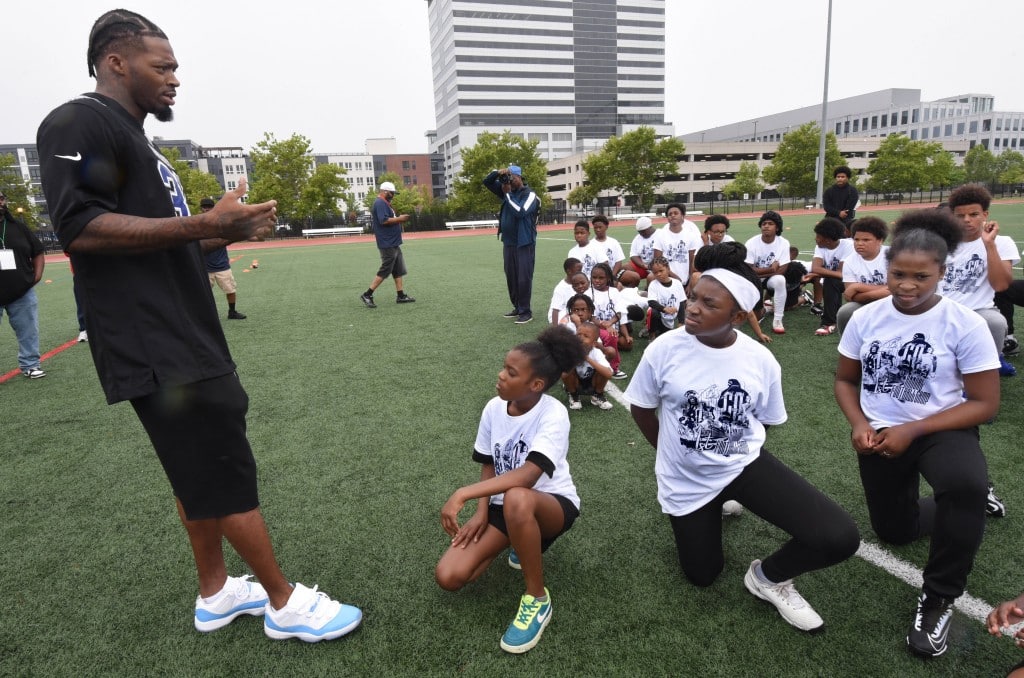
Long before he committed to the Dallas Cowboys, Camden’s Alijah Clark was committed to making mental health awareness a priority for young athletes – a cause shaped by his own life experiences.
Clark was 13 when he lost his best friend, Nate Plummer, to gun violence in 2016. By 2020, COVID-19 had taken the Camden native’s beloved grandmother, an aunt and uncle had also died, and he’d seen a host of “older cousins get killed or go to jail.”
Six years ago, Clark and his mother, Chekiha Rolen, used the heartbreak of those losses to found “Behind Da Visor” — a charitable initiative to promote mental health awareness for athletes. After that, Clark became a star college ball player and is now a safety for the Cowboys, about to begin his second year in the NFL under a multi-million dollar contract.
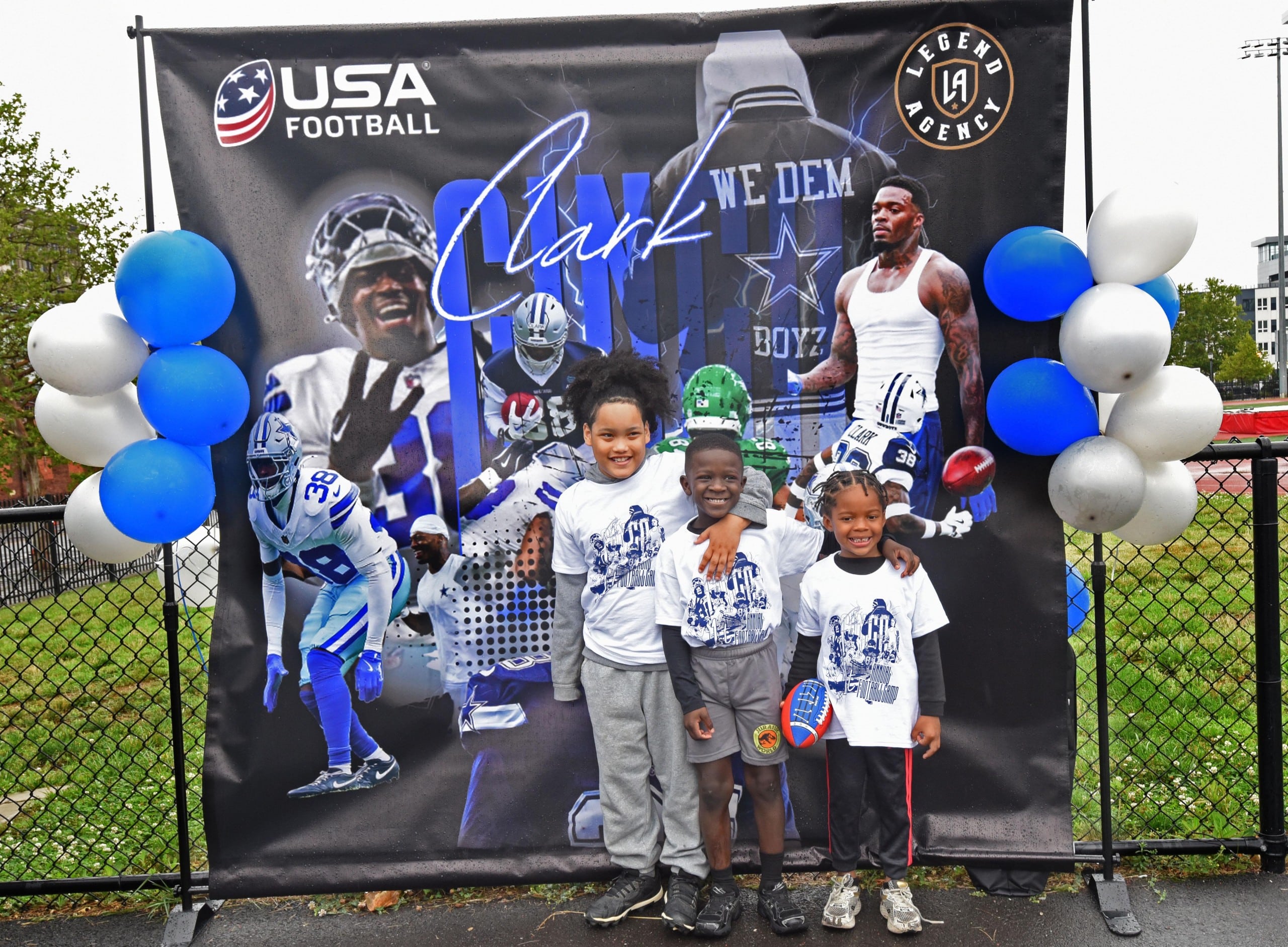
On June 27, Clark was back in his home city to serve as the “ambassador” for an annual mental health awareness walk sponsored by the non-profit health center CAMcare, and to lead a youth football clinic for area children at a field near the waterfront.
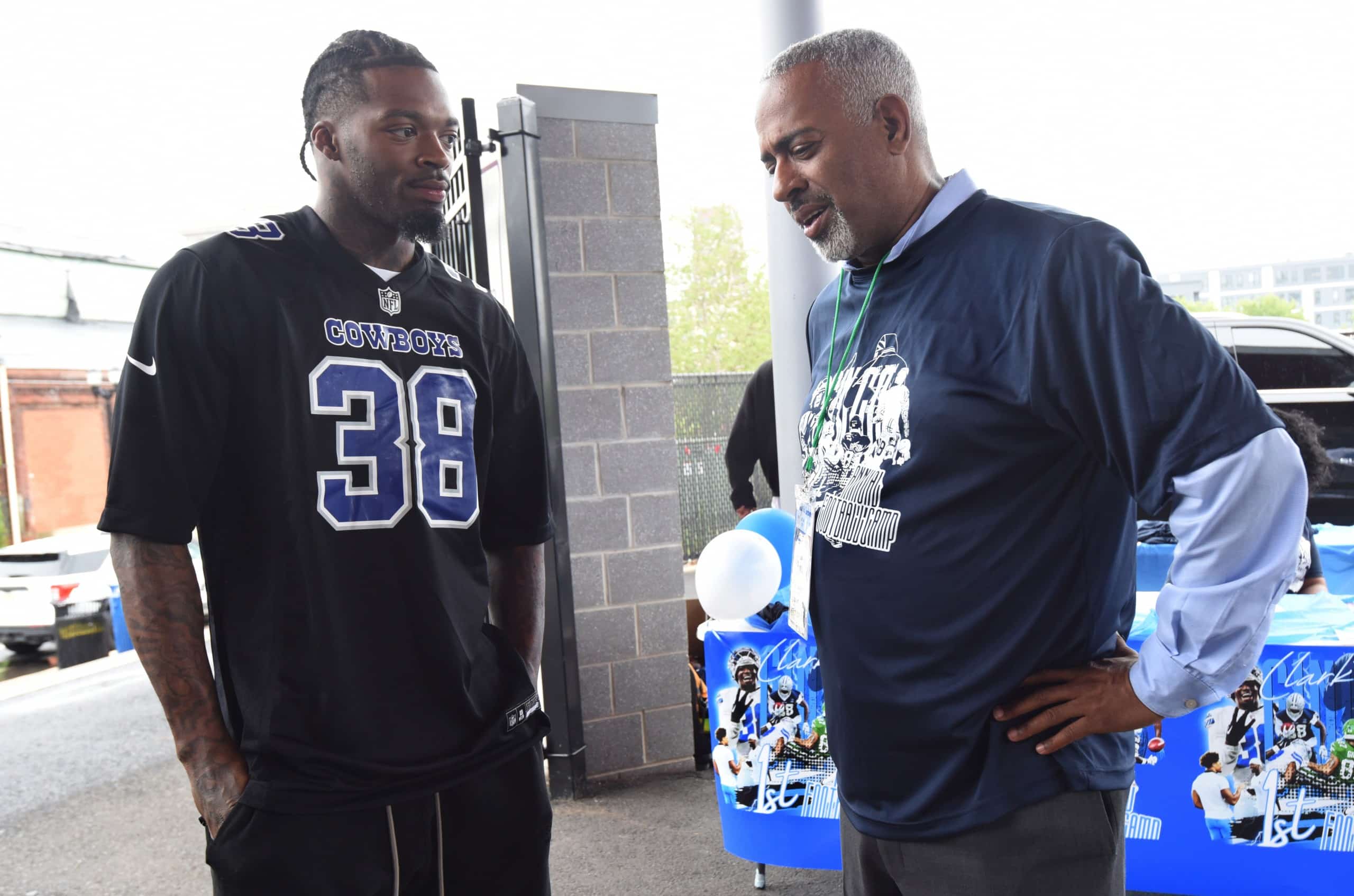
At the first event, he explained the personal journey that led him to focus on mental health; at the second, he greeted old friends and coaches, accepted a proclamation from Camden Mayor Victor Carstarphen and urged the attending children to “dream big.”
The Meaning Behind the Name
The visor “analogy” behind his organization’s name, Clark explained, “is because as football players, you never really know what’s going on with us…unlike other sports like basketball and soccer, you really can’t see our faces.” For his mother, who hosted a “Behind Da Visor” event last December in Blackwood, NJ, the metaphor is a reminder of her son’s depression as a teen.
“There were days my son didn’t step out of his room,” she recalled. “I didn’t know what my baby was going through. At the height of his career, at 16 years old, he didn’t want to open his visor.”
Rolen had assembled other speakers for that event, including Heather Riggs of Blackwood, whose daughter committed suicide at age 23. Like Clark and Rolen, Riggs became committed to helping others, creating “Teardrops: A Mindset for Healing Foundation” and “Harbor of Hope,” a counseling service.
“It felt like the end of the world to me” when her daughter died, she said. For her, “to start a foundation and be an advocate heals me a little more every time I feel like I’ve touched someone.”
Riggs also has two sons who played football, one of whom was a few years younger than Clark and was in high school during the COVID-19 pandemic. “He wasn’t recruited by many colleges,” she said. “There weren’t enough games and enough film.” When he finally did start college, he sustained a season-ending injury and “was crushed,” she said, causing her to worry about his mental state.
When Tragedy Struck the Team
Retired Camden police officer Tracey Hall, who lost the nephew she’d been raising when he committed suicide in 2012 and is known in the Camden community for her mental health awareness work, also spoke at the Blackwood event. Twenty-three-year-old Amadeus Brevard-Hall was also a football player, and in his suicide note to his aunt, said, “There was nothing you could have done to prevent this.”
Hall started the Daelight Foundation — a nonprofit that offers educational programs, advocates for public policy, and supports those affected by suicide — in Amadeus’ memory.
She was asked to address the Camden High football team in November 2019 after ten-year old Micah Tennant was shot and killed in the stands during an away game in Pleasantville with players and fans fleeing the stadium in fear. Clark was on that team.
Retired athletic director Mark Phillips, who spent 14 years running sports programs at both Camden and Eastside high schools in the city, was in Pleasantville that night as well.
“Everybody was still in shock that night,” he said, “but by the time we got back to Camden, we started realizing the magnitude of what took place,” he said, and much counseling was arranged for the students who were present.
The Weight of the Jersey
Hall, who now meets with the Camden High football players three times during the season to talk about subjects like self-esteem, stress management, and being a good teammate, believes that the pressure for Camden athletes to get to the NFL is intense.
“And they beat themselves up if they don’t,” said Hall, “because they feel like they should have made it.”
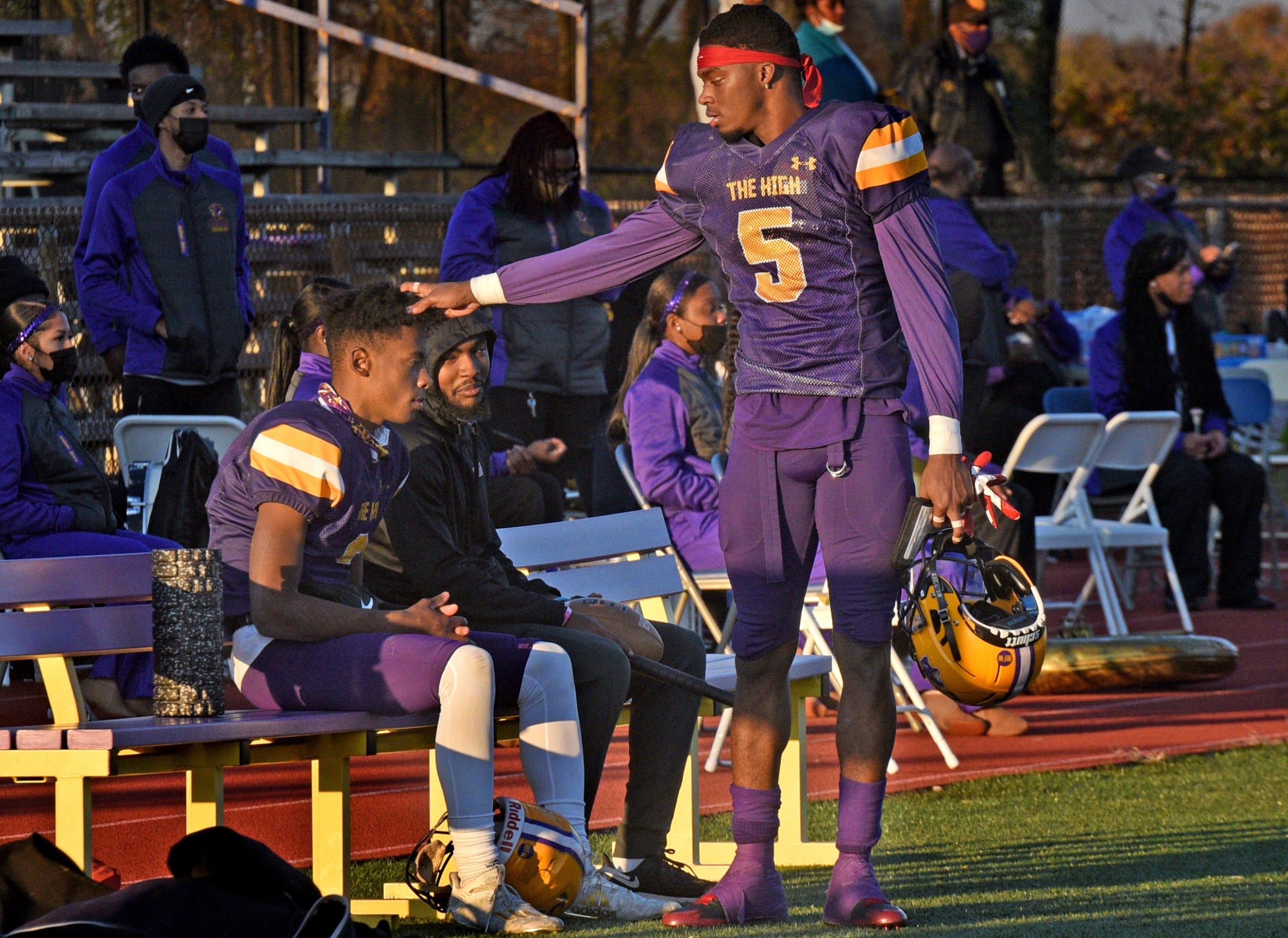
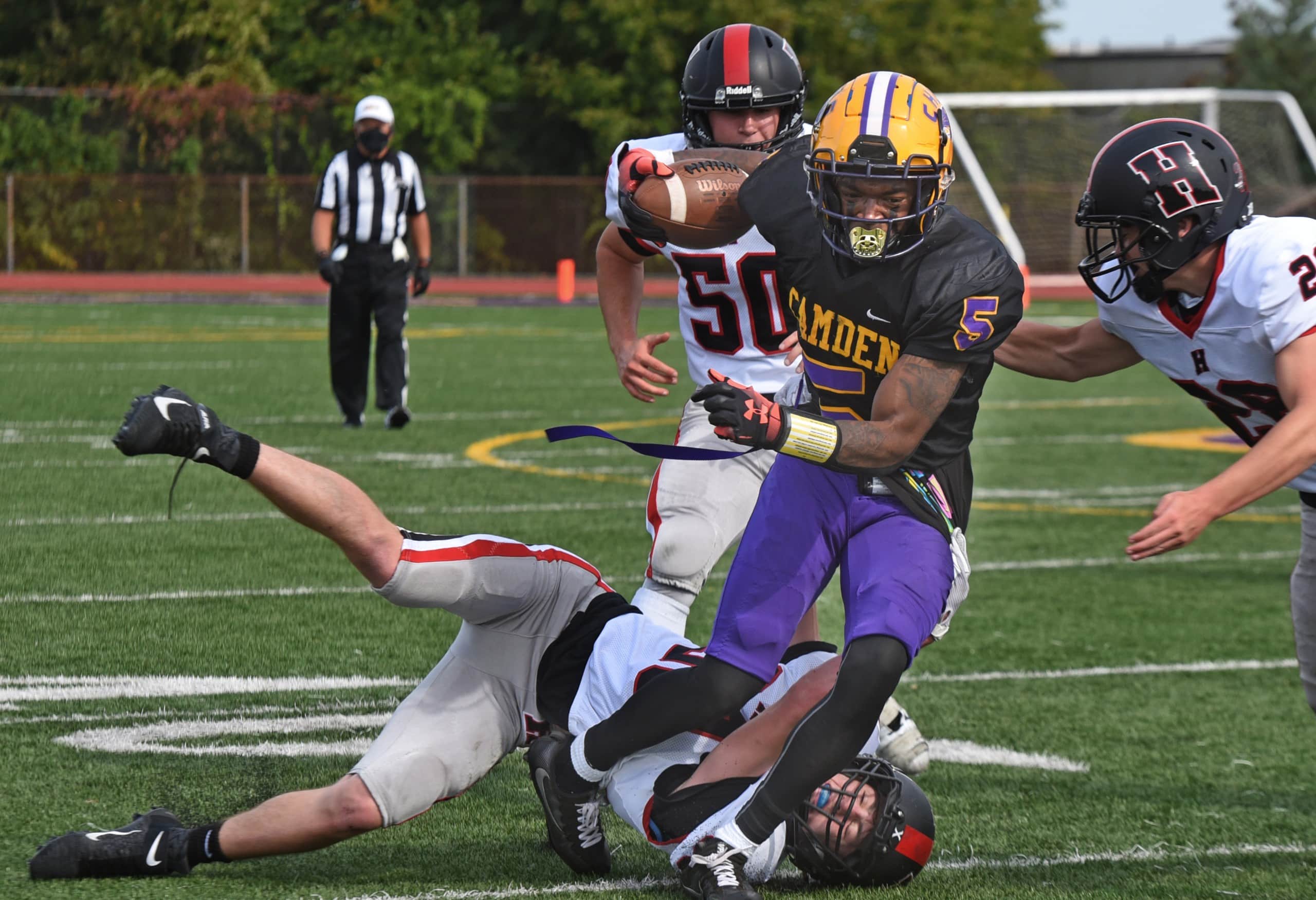
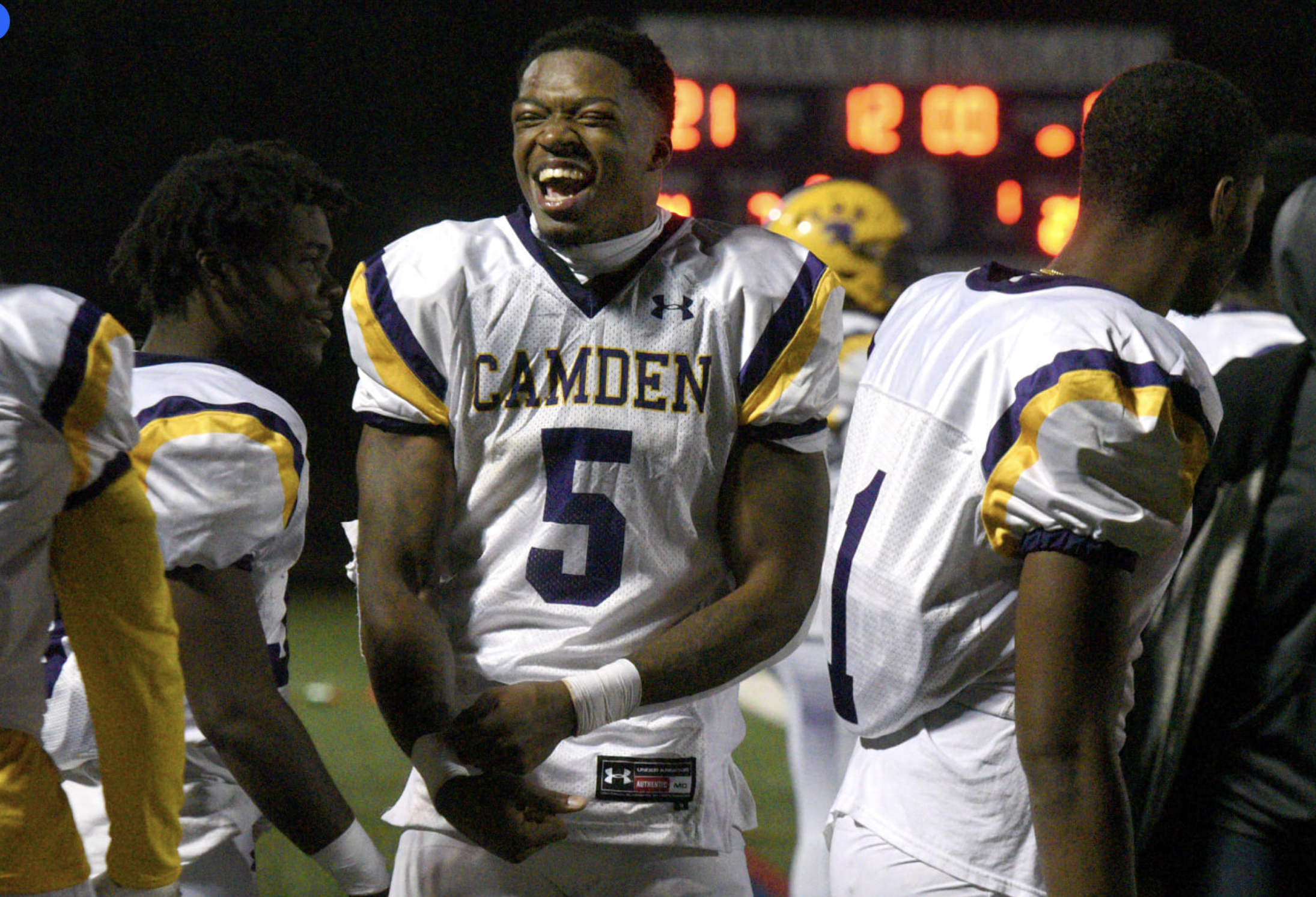
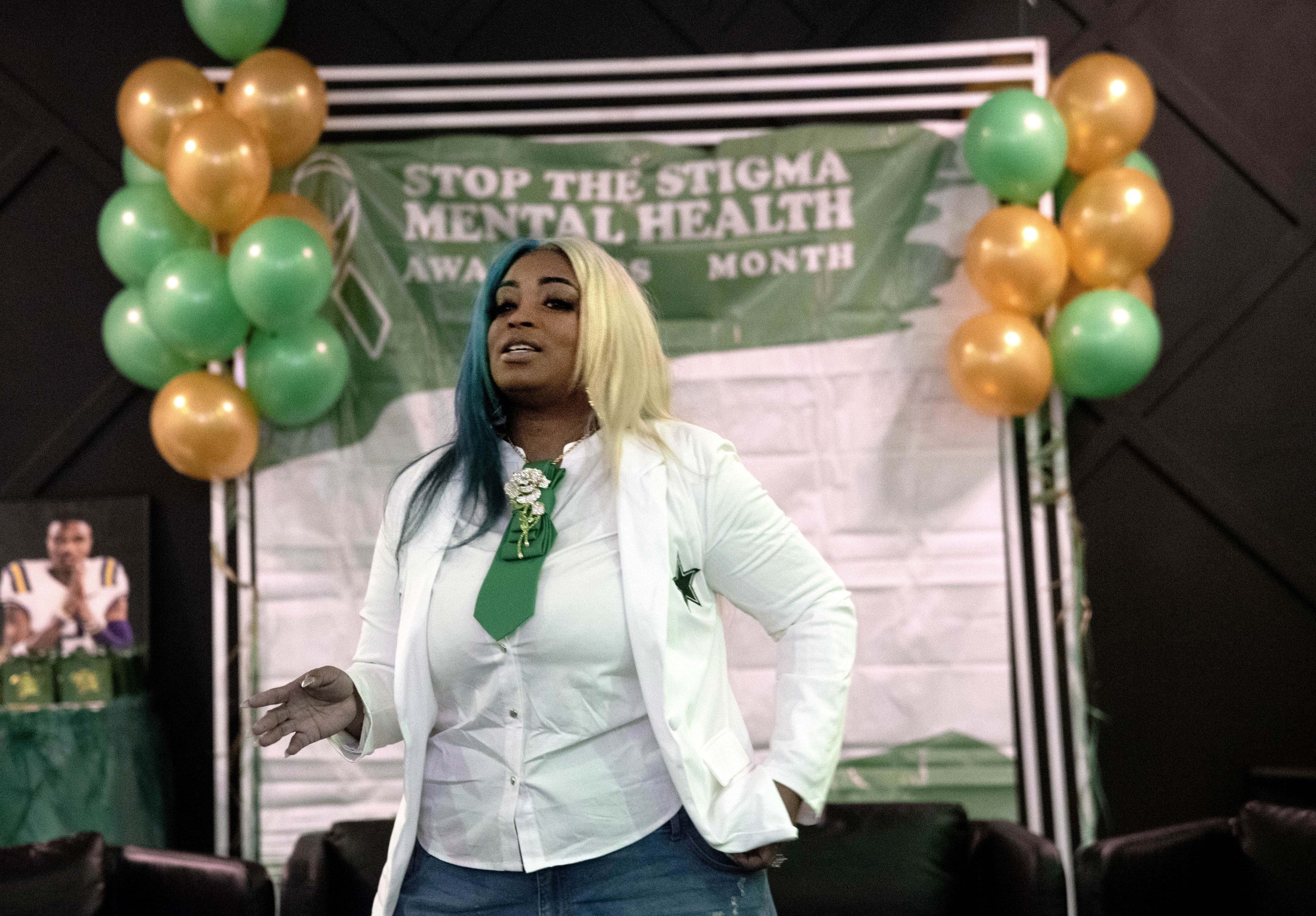
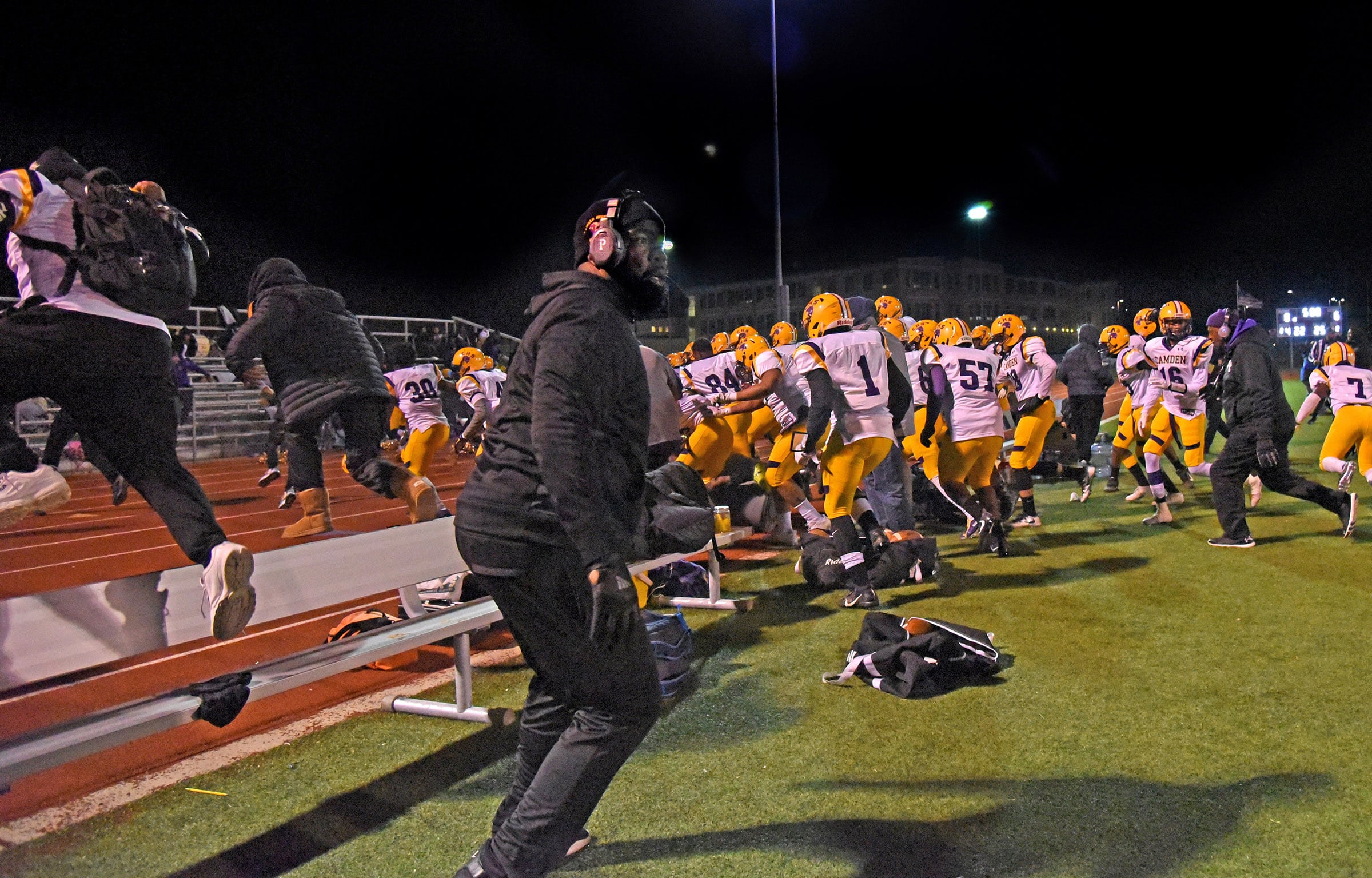
In “a very athletically-charged community” like Camden, said Hall, “the hardest weight your child is carrying is that jersey.”
Phillips said that all the football coaches he’s worked with at the two Camden schools have stressed academics, “because the likelihood that you’re going to make it to the NFL is small.”
Breaking the Silence
The advocates also agree that it hasn’t been easy dealing with populations that historically would rather not talk about mental health.
“As Black parents,” said Hall, “we’re told if you’re stressed, take it to the Lord.”
Riggs said, “it’s a big barrier for athletes in releasing their emotions to anyone because it’s such a stigma for them, and it keeps them from expressing who they are as a person.”
They also view Clark, especially given his NFL success, as an effective role model.
“I like what he’s doing,” said Hall. “I think it’s received better from him because he’s in the NFL where everybody wants to be. I believe it’s a good move for him to speak out about it and get serious about mental health.”
Clark’s efforts don’t surprise Phillips. “He’s always been special, always giving,” he said. “I’m not surprised at all that he’s come back to help his community, it’s a reflection on him and his mom.”
A Hidden Physical Toll
Mental health awareness in football extends beyond emotional and psychological struggles. The increased awareness of CTE, the chronic traumatic encephalopathy progressive brain disease found in athletes with a history of concussions, raises yet another mental health issue for football players, some of whom have been diagnosed with it after killing themselves.
Riggs is so afraid of it that she won’t allow the grandson she’s raising to play contact football.
At the June football camp, Clark talked about his Cowboys’ teammate, Marshawn Kneeland, who committed suicide last year at 24 years old.
“We actually sat next to each other in training camp,” Clark said at the football clinic. “He just didn’t have anybody to talk to, he was a great person, and you would never know he was going through something.”
On July 7, it was announced that Kneeland had been posthumously diagnosed with CTE after an analysis of his brain tissue at Boston University.
Carrying It Forward
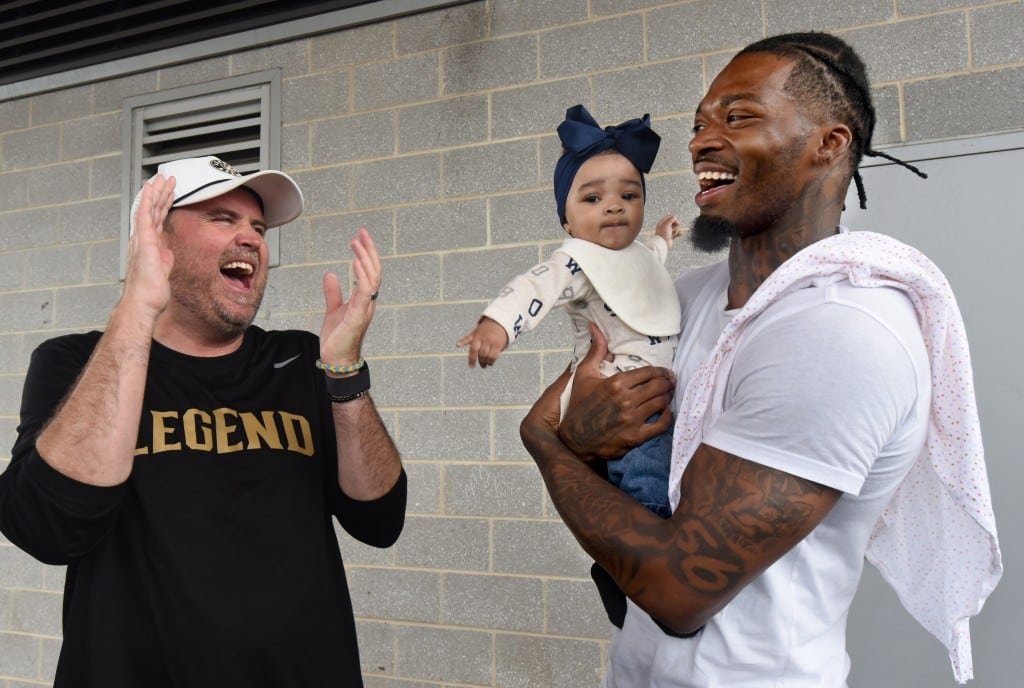
As the camp wound down, Clark held the five-month old daughter he shares with his partner, who he said is also from Camden. He did not give either of their names out of privacy concerns, but spoke of “growing up fast when you’re responsible for a whole other being.”
He also posed for pictures with the young players and signed autographs.
“At the pivotal time that I needed a role model,” said Clark, “I didn’t have one. That’s why I try to give back to the kids.”
Author

Related Articles
Have The Conversation
Why Black men should talk with their clinicians about prostate cancer risk before symptoms appear


Food Insecurity Has Nearly Doubled In NJ Since Pandemic, Study Says
New Jersey has reached a new level of food insecurity since 2020, with local advocates pointing to higher living costs and changes to federal food assistance programs.