
Virtual Film Fest Looks At How Rights Were Earned From Past Struggles
In an age of censorship, such as that of our current political environment, we often look to history to learn from those who came before us and persevered in the face of adversity. Much of that history has been captured through film and cinema.
For the African Diaspora International Film Festival (ADIFF), there is no space for censorship or the silencing of voices; their 2026 Summer Virtual Film Series, Africa Diaspora: History and Cinema, is streaming from August 28 to September 6.
The online series will feature ten award-winning films that explore the people, political movements, ideas, and cultural transformations that have shaped Africa and the African diaspora. Topics include independence and African socialism, liberation struggles, Pan-African political thought, Black intellectual life, African American military experiences, and Afro-descendant historical memory, among others.
“At a moment when history is increasingly being contested, simplified or erased, it is important to return to the experiences of the people who actually lived through these struggles,” says Reinaldo Barroso-Spech, Co-Founder and Co-Director, ADIFF. “These films remind us that the rights and freedoms we inherit were fought for, that political choices have consequences, and that many of the questions surrounding democracy, race, power and cultural identity are still very much with us today.”
The selected featured films tell important stories that matter now more than ever. Films like Nome, which is set during the liberation war of Guinea-Bissau in 1969, and chronicles the tensions between the Portuguese colonial army and the guerrillas of the African Party for the Independence of Guinea. Or, films like Marighella, which is based on the life of poet and politician Carlos Marighella, who leaves his wife and son behind to take up arms against the CIA-backed military coup of Brazil in 1964 and the racist right-wing dictatorship that followed.
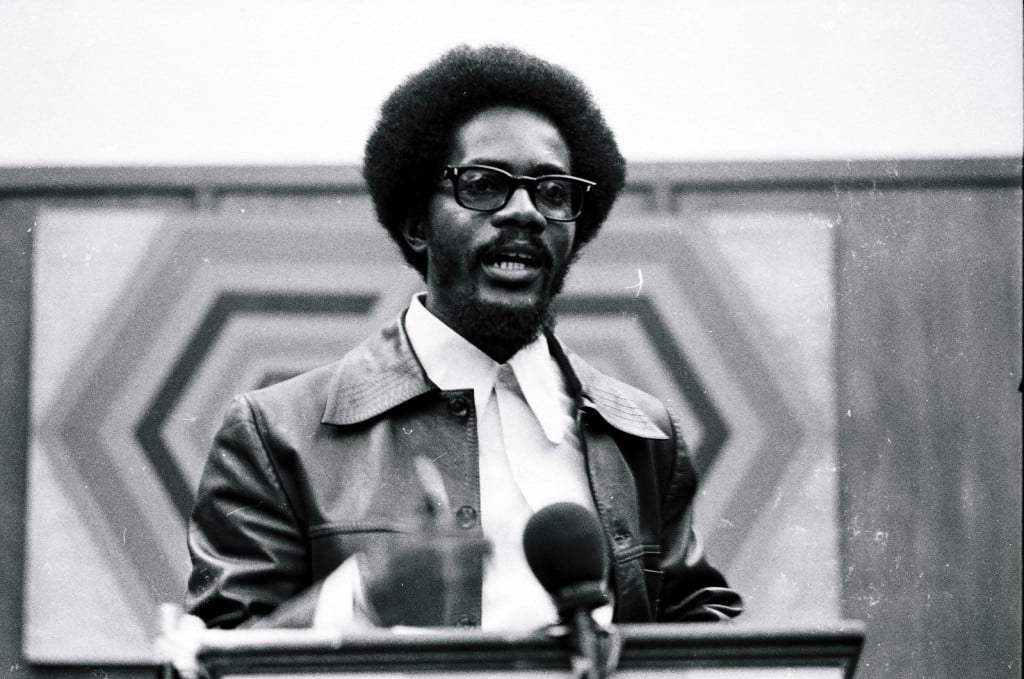
The festival will also highlight noteworthy documentaries like Walter Rodney: What They Don’t Want You to Know, which follows the assassination of Guyanese historian and activist Dr. Walter Rodney, one of the major figures of Pan-African political thought, and how it connects to policing and surveillance practices in the modern world.
Other documentaries, such as Paris Noir – African Americans in the City of Light, focus on African Americans and their descendants in Paris from the First World War through the early 1960s. Prominent Black writers and performers, like Langston Hughes, Claude McKay, Josephine Baker, and Sidney Bechet, are among those featured. The film explores and examines the achievements and challenges faced by these artists and those like them, among other historical topics.
Audiences can access the series of online films through the ADIFF virtual platform at africandiasporacinema.eventive.org/welcome.
The ADIFF was founded in Harlem in 1993 and presents independent films exploring the histories, cultures, and contemporary experiences of people of African descent and other communities of color from around the world.
Author

Related Articles
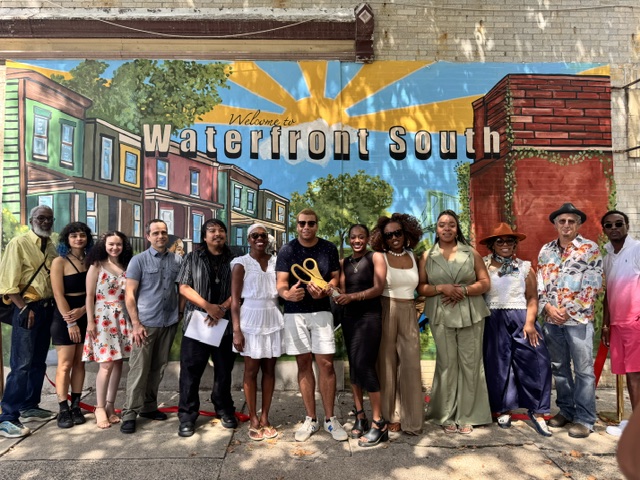
The Power Of Public Art On Display In Camden
Artists and community organizations are using murals, galleries and public spaces to challenge the narratives imposed on Camden and affirm the beauty and humanity of its residents.

Black Theatre United Announces Fourth Annual Gala: “Work To Do” Honoring George Cheeks, Delroy Lindo And Paul Tazewell
Monday, October 5 at the Ziegfeld Ballroom. Tickets on sale now!