
Where Does NJ’s Private Prison Tax Bill Go From Here?
A bill meant to tax New Jersey’s private prison operators directly now taxes their vendors instead. With the Legislature on recess, its fate won’t be decided for months.
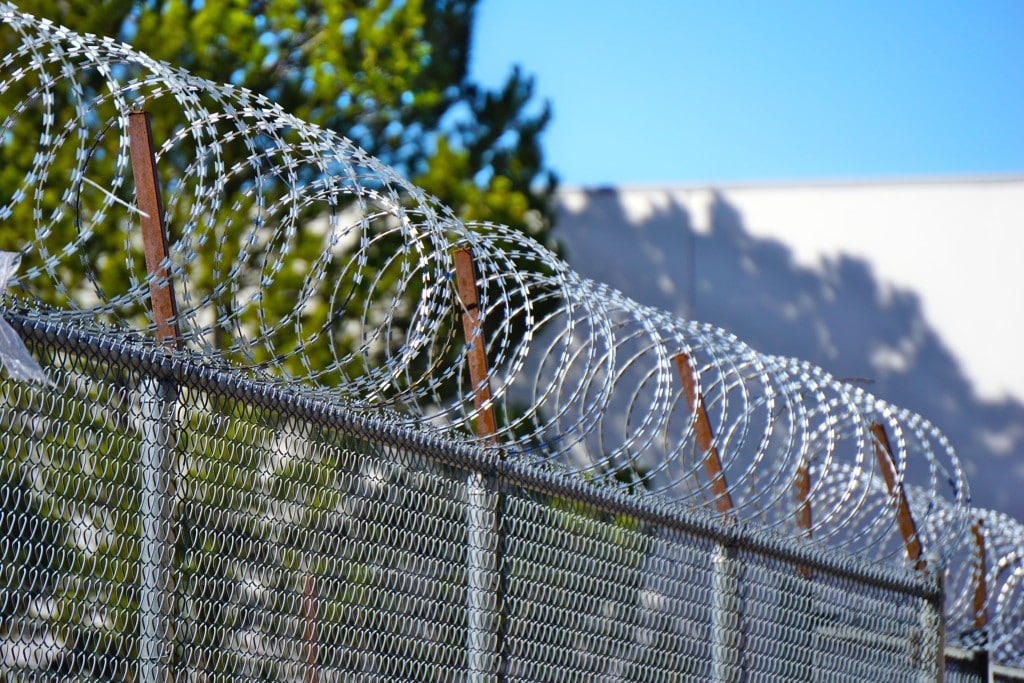
New Jersey’s Assembly had been moving a bill to tax private prison operators directly. By the time it passed the floor on June 30, amendments had redirected that tax to the vendors who service those facilities instead.
The bill, A4077, cleared the Assembly along party lines. It now heads to the Senate, where its companion bill, S3630, has yet to advance out of the Budget and Appropriations Committee. But the bill is paused over the summer while legislators are in recess, with no vote expected until at least September.
New Jersey’s private immigrant detention centers made national headlines this May after a series of protests erupted both inside and outside of one facility in Newark called Delaney Hall, run by the GEO Group. Detainees staged a hunger strike over conditions their attorneys described as overcrowded, unsanitary, and lacking adequate food and medical care, which federal officials denied.
The tax bill is the latest move in a yearslong fight between New Jersey and the private detention industry. In 2021, Gov. Phil Murphy signed a law barring the state, local governments, and private companies from entering new or renewed immigration detention contracts with ICE. CoreCivic, which runs the state’s other detention center in Elizabeth, challenged the law. A federal appeals court struck it down in July 2025. Lawmakers and advocates have been looking for other tools to push back against the private prisons.
Also known as the Knowledge, Accountability, and Rights in Incarceration Markets Act, it originally required private prisons to pay $15 per inmate for each day that they are detained in a month. It also included an 8% fee on taxpayers under contract with a public entity, including the federal government, to operate these detention facilities.
In its current state, the proposal will only impose an annual fee on for-profit “correctional service businesses” that provide services, including dining, food services, maintenance, and transportation to any detention facility in the state. The fee will equal 8% of the gross receipts or the money they receive as part of their contract.
Despite these recent amendments, some local advocates see the bill, in totality, as a step in the right direction. Marleina Ubel, senior policy analyst at New Jersey Policy Perspective, said the bill is better for targeting companies profiteering on incarceration and detention. However, she called it “unfortunate” that the bill excluded telecommunication businesses from being taxed, which charge those detained for making phone and video calls.
“While it’s not possible to fully neutralize the harm that has been done by immigration enforcement right now,” said Ubel, “I do think it makes sense to take some of the money and invest it back into the communities that are most harmed.”
Prior to the June 30 vote, bill sponsor Assemblymember Mitchelle Drulis (D-Hunterdon) told New Jersey Urban News the goal was to make sure private companies profiting from incarceration give back to the community. Their business model, she said, negatively impacts local residents and communities.
Revenue generated by the proposed legislation will fund community-based programs focused on food security, housing, recreation, job training and youth mentorship. It will no longer fund legal services by accredited universities – a provision that immigrant rights advocates say could have helped detained people access legal representation.
Before it passed the State Assembly, the proposal received backlash from elected officials. Assemblymembers Dawn Fantasia (R-Sussex) and Brian E. Rumpf (R-Ocean) voted against it, with Fantasia calling it “absurd” and “unconstitutional.”
The Department of Homeland Security also opposed the bill, saying in a statement, “No tax will stop ICE from deporting criminal illegal aliens to make New Jersey safe again.”
Though the proposal has faced multiple changes and challenges, advocates and lawmakers believe that it will benefit residents and help balance the costs of corporate-run prisons in the state.
“It shouldn’t be on the backs of our taxpayers to absorb these costs,” said Drulis. “We are already paying into a federal system that is using federal tax dollars to really harm our communities. And so then, to have all these additional costs here in New Jersey because these detention centers are here, it’s really a double tax to our taxpayers.”
Author

Related Articles
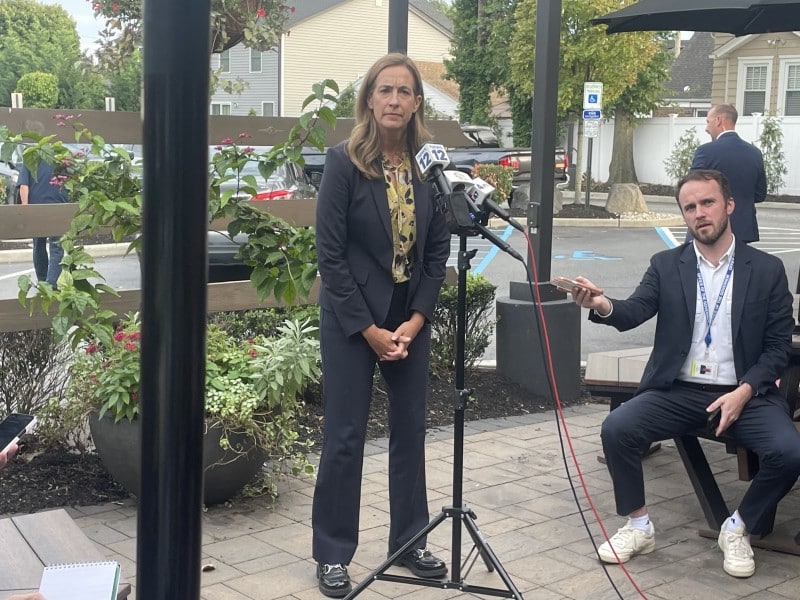


NJ Attorney General Launches Investigation Into Delaney Hall
Following the death of a detainee at Delaney Hall, Gov. Mikie Sherrill and other leaders pursue greater oversight of the immigrant detention center.