
What NJ LGBTQ+ Workers Need To Know About Workplace Protections
New Jersey advocates urge LGBTQ+ workers to learn their rights to paid leave, wage theft protection, and anti-discrimination laws this Pride Month.
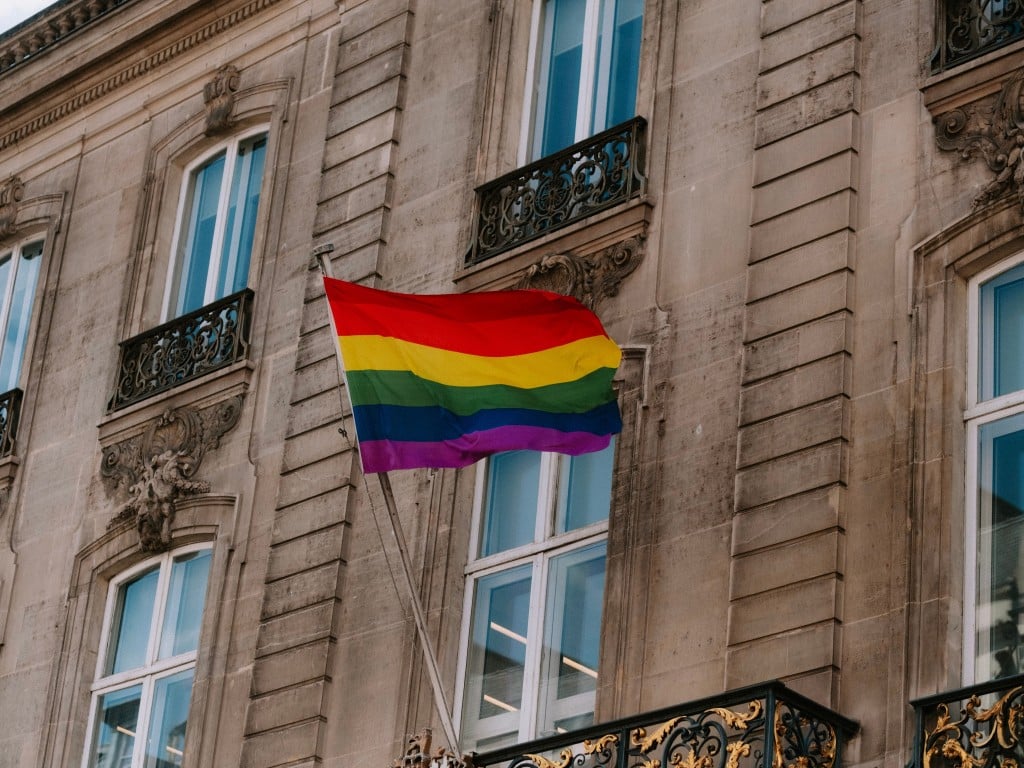
As federal policy changes continue to affect LGBTQ+ Americans this Pride Month, New Jersey advocates are urging workers to learn about workplace protections that defend against discrimination, retaliation, wage theft and economic inequality.
The call comes as LGBTQ+ workers continue to face significant disparities nationwide. According to the Human Rights Campaign, LGBTQ+ employees earn about 90 cents for every dollar earned by non-LGBTQ+ employees, and LGBTQ+ people of color, transgender people and non-binary individuals face even wider wage gaps. Around 40% of LGBTQ+ workers have hidden their identity at work, fearing they would be stigmatized or face violence.
Federal policy changes compounded those concerns. In 2025, Executive Order 14168 directed all federal agencies to recognize only two biological sexes, male and female, and removed any policies or materials that acknowledged gender identity as separate from biological sex. The federal government also rescinded the EEOC’s 200-page guide explaining how to apply civil rights laws to workplace harassment claims.
In the wake of these changes, Brielle Winslow-Majette, executive director of Garden State Equality, stressed the importance of protecting LGBTQ+ workers, noting that some have avoided pursuing certain jobs or left workplaces because they feared discrimination.
“We want to make sure that our workers are not being discriminated against, one, based on their sexual orientation or gender identity, but two, that they’re being seen as valuable members of that workspace and being paid for their labor and time,” Winslow-Majette said.
While federal policies have shifted, advocates note that New Jersey maintains strong workplace protections of its own. The New Jersey Law Against Discrimination, in particular, continues to prohibit workplace discrimination and harassment based on a person’s sex, gender identity, sexual orientation and gender expression – and advocates say workers also have financial safeguards worth knowing.
Melanie Machuca-Perera of Centro Comunitario CEUS encouraged workers to understand the laws granting them earned sick leave, temporary disability insurance (TDI) and family leave insurance (FLI). Employers are also prohibited from retaliating against workers by firing them, reducing their pay, increasing workplace supervision or excluding them from meetings. Under New Jersey’s Wage Theft Act, employers can be held liable for unpaid wages or benefits, while employees are protected from retaliation for speaking out against these violations.
Machuca-Perera, who has handled wage theft cases, said workers should keep records of their hours and timesheets.
“So we do like to encourage anyone that is suffering through an injustice to step forward and be able to report these [types] of things going on in their workplace because it’s completely illegal and they have the right to receive those unpaid wages or receive that earned sick leave,” said Machuca-Perera.
LGBTQ+ workers may qualify for Temporary Disability Insurance (TDI) if they are recovering from HIV-related complications or treatment side effects, or if they need time off to recover from gender affirming surgery.
FLI, meanwhile, can be used to care for a partner or a chosen family member experiencing a serious illness or undergoing medical treatment. Under state law, both TDI and FLI allow workers to receive 85% of their average weekly salary for up to 12 weeks.
LGBTQ+ workers in New Jersey also have access to family and medical leave tailored to their specific needs. In 2019, New Jersey became the first state to legally recognize chosen family members, individuals who have provided love and support for LGBTQ+ people estranged from their biological families, for family leave benefits.
Although New Jersey continues to provide LGBTQ+ workers with several legal protections and employee benefits, advocates emphasized the importance of people knowing their rights, reporting potential violations, and ensuring those protections remain in place, especially as federal policy changes continue to reshape the country’s legal landscape.
“We need to make sure that we are protecting all of these individuals through all of the facets of their life because elected officials say that they want us to thrive,” said Winslow-Majette. “But thriving means that there shouldn’t be discrimination in any of that, whether that’s housing, whether that’s pay and work, whether that’s food disparity… all of that stuff should be covered.”
Author

Related Articles

Statewide Homeless Veterans Initiative Achieves Milestone
Started during the Murphy Administration, the Bringing Homeless Veterans Initiative has helped more than 2,000 veterans find housing.
