
Nuclear Energy Program Bill Advances Unanimously As Data Centers Surge Demand For Electric Power
By Miniya Malone (NJ State House News Service)
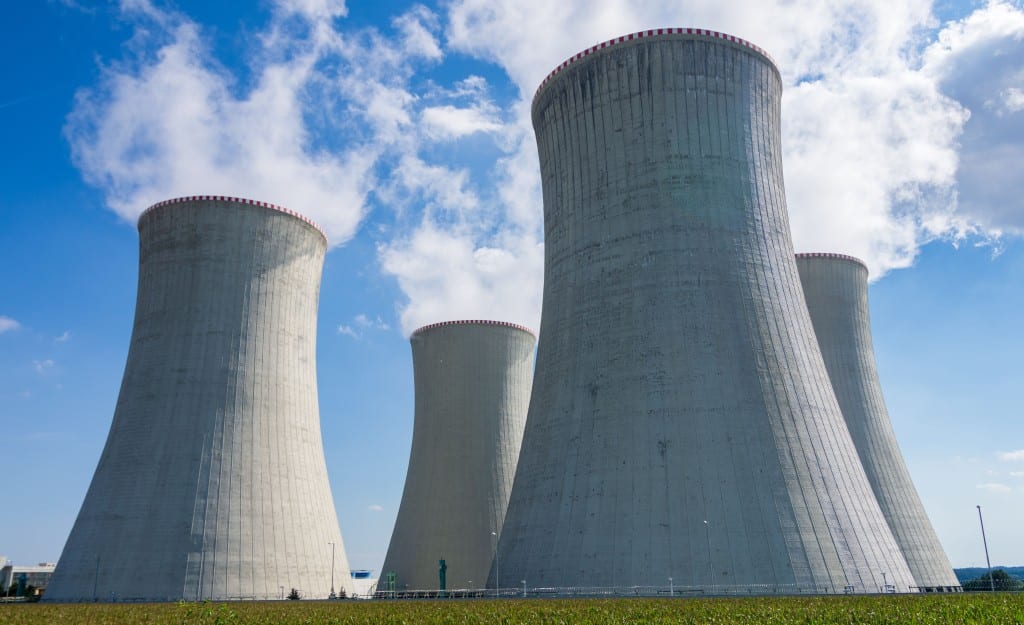
TRENTON, N.J. – Amid soaring electric rates, efforts to expand nuclear energy advanced Monday as an Assembly committee unanimously approved a bill to establish a nuclear energy procurement program through the Board of Public Utilities.
The bill, known as the “Power NJ Act,” aims to increase the construction of nuclear electricity generation facilities to curb the rising cost of electric power.
Currently, New Jersey hosts three nuclear power reactors across two plants, which account for about 40% of the state’s electric power generation.
Opponents of the measure said they were worried about the affordability and long development times of nuclear plants.
“There are better, cheaper, faster, cleaner options out there,” said David Pringle from Empower NJ, a coalition of advocacy groups. Pringle mentioned choices like hydrothermal, wind and solar as potential energy sources preferable to nuclear.
Doug O’Malley, state director of the nonprofit Environment New Jersey, shared Pringle’s concerns, noting “the dollars we spend on nuclear are dollars we do not spend on other sources of generation.”
Pringle and O’Malley urged the committee to consider energy options that could be utilized more immediately, noting that new nuclear power would not be available for years. “It can’t happen fast enough. We’re talking 10 years if we’re dreaming, probably closer to 20,” said Pringle. “And the affordability crisis is now.”
The need for cheaper and more efficient electricity comes as demand for electric power has spiked, an increase many attribute to the energy required to power data centers.
“There can be no doubt that data centers are driving the surge in demand,” said David Wand, the assistant deputy of the state’s Division of the Rate Counsel, which represents consumer interests. “This bill, rather than ensure data centers pay for their fair share, has New Jersey’s ratepayers subsidizing data centers.”
“Ratepayers are not the driving force behind the significant increase in demand, and they should not be the one shouldering the cost, nor the risk, to build generation just to meet data center driven demand,” Wand added.
Despite concerns about affordability and data centers, many spoke in high favor of the bill, viewing nuclear power as a necessary and more modern approach to electricity.
“We’re going to need this power 10 years from now when it’s going to be ready,” said Ray Canter, deputy chief government affairs officer of the New Jersey Business & Industry Association.
Assembly Member Robert Karabinchak, a Democrat from Edison and chair of the committee, also expressed strong support for the efforts. “This is a longer term solution,” he said in explaining his vote to advance the legislation.
“You have to look at the big picture on all of this,” Karabinchak continued. “We’re looking to change the way New Jersey creates energy and uses it.”
An identical bill passed unanimously in a Senate committee on June 8.
In April, Gov. Mikie Sherrill signed legislation eliminating permitting and regulatory framework that had effectively halted all new nuclear construction in the state.
Related Articles
Data Centers In Urban New Jersey
Since 2024, data centers have taken the world by storm. Urban New Jersey is no exception, as multiple town councils have approved data centers in recent years. If your town is considering adding a data center, attending council meetings is the primary way to protest them.

Driverless Cars Could One Day Empower Blind New Jerseyans
New Jersey’s autonomous vehicle proposal could give blind and disabled residents greater independence and improved transportation access.

Controversial NJ Judge Now Overseeing Immigration Cases In Elizabeth
Elizabeth Immigration Court is at the migrant jail where the federal government holds people agents have rounded up under the Trump administration’s mass deportation effort.