
ACA Health Insurance Is Set To Cost A Lot More In 2026
New Jersey health insurance premiums are set to rise nearly 16% in 2026 if federal ACA subsidies are not renewed.
By Benjamin J. Hulac | Washington Correspondent For the NJ Spotlight News
WASHINGTON — Unless Congress intervenes, health insurance rates will sharply increase next year for hundreds of thousands of people in New Jersey who are covered through the state’s marketplace under the Affordable Care Act, also known as Obamacare.
Insurance rates for 2026 will increase by an average of 15.9% over 2025 rates, according to the New Jersey Department of Banking and Insurance.
About 513,000 people in New Jersey are enrolled in the state-run insurance market, and roughly 454,000 are on track to pay more next year for their coverage, according to the latest available figures.
“All of their premiums are going to be increasing,” Laura Waddell, health care program director at New Jersey Citizen Action, an advocacy group, said in an interview with NJ Spotlight News of the group of 454,000
The department released the numbers last week, saying they were based on the prices submitted by five insurance companies offering coverage within New Jersey under the state’s Get Covered NJ marketplace.https://datawrapper.dwcdn.net/GznZG/1/
Big rate increases nationwide
Prices nationwide are expected to increase by 18% next year, according to a survey the Peterson Center on Healthcare and KFF, two nonpartisan groups, conducted of 312 health insurers across all states and the District of Columbia.
Strategic Republican delay of deepest service cuts?That’s the largest increase since 2018; last year, rates increased by 7% nationally.
Congress in 2021 and 2022 extended subsidies for the marketplaces, leading to an all-time enrollment high in the federal insurance marketplaces. But with little relief in sight under President Donald Trump or the current Congress, those credits are set to run out at the end of this year, leading to the spike in insurance premiums. If Congress did extend those credits, premiums would rise 12.8% next year, the state Department of Banking and Insurance said.
After passing expansive deregulatory legislation this summer that includes significant cuts to U.S. health programs, the Republican-led Congress is not expected to act to extend those credits before they expire.
Long-term impact of Trump budgetary cuts
Over the next decade, the new law calls for cuts of more than $1 trillion from Medicaid — a low-income federal health insurance option — and $285 billion from the country’s largest food-aid program.
Overall, the law will remove about 10 million people from health insurance, according to the Congressional Budget Office, a nonpartisan agency that advises Congress on economic matters.
The 8th Congressional District in Hudson County has more people enrolled under the 2010 health law than any other district: 69,245. About 90% of them will see their premiums rise in 2026.
The total includes 7.5 million who will lose coverage due to Medicaid changes, 2.1 million who will lose ACA marketplace coverage, and 400,000 who will lose coverage due to other elements within the law.
The timing of the cuts is contentious. Cuts to Medicaid and the Supplemental Nutrition Assistance Program, or SNAP, formerly known as food stamps, will arrive after the midterm elections in November 2026, a timeline that could shield Republicans from political repercussions.
Van Drew’s take
But other cuts will come sooner, said U.S. Rep. Jeff Van Drew (R-2nd), who strongly backs the reductions.
“Some things are kicking in before the midterms,” he said in a recent interview with NJ Spotlight News. “For example, the credits for additional Obamacare, for the premium coverage, that’s before the election.”
Republicans exult after Congress passes Trump’s megabillWhen Congress returns from its August recess, members will be required to pass legislation to keep the federal government running into October, when the new federal budget cycle starts.
But serious talk of extending the soon-to-lapse ACA health tax credits is not expected on the legislative horizon.
For some members of Congress, impact in their districts will be significant.
In New Jersey, the 8th Congressional District in Hudson County has more people enrolled under the 2010 health law than any other district: 69,245. About 90% of them will see their premiums rise in 2026.
In Van Drew’s district, 91% of those who get their coverage through the market will see costs grow. For the 9th Congressional District in Passaic County, 92% of those enrolled will see increases.
A range of rate increases
United Healthcare rates will increase by an average of 18.4% from this year to next, according to the Department of Banking and Insurance.
Three other carriers in the state will also increase their charges by double digits — Ambetter from WellCare of New Jersey, by 17.1%; Horizon Blue Cross Blue Shield of New Jersey, by 17%; and AmeriHealth, by 15.5%.
The insurer Oscar will raise its rates by 4.6% on average, the department said.https://datawrapper.dwcdn.net/0Fx97/1/
Separately, a new regulation from the Centers for Medicare & Medicaid Services will remove between 725,000 and 1.8 million people across the country from federal ACA coverage, according to Trump administration estimates.
Finalized in June and taking effect Monday, that rule shortened by two weeks the enrollment period when people can choose their insurance plans, moving the end date for enrollment from Jan. 15 to Dec. 31.
Losing health coverage
The regulation will strip coverage from about 500 people in New Jersey who migrated to the U.S. as children and are now legal residents and enrolled in the federal health marketplace.
It will also cut off coverage for about 16,000 people other people called “Dreamers” protected under the Deferred Action for Childhood Arrivals, or DACA, program, living in the state.
New Jersey Attorney General Matt Platkin and other Democratic attorneys general have challenged the rule in court, a pending process.
The Trump administration also wants to limit health care options for undocumented immigrants by changing a policy of the U.S. Department of Health and Human Services, cutting off early education for children and health coverage for children and adults, including immigrants with legal status.
— Map and chart by Colleen O’Dea
Related Articles
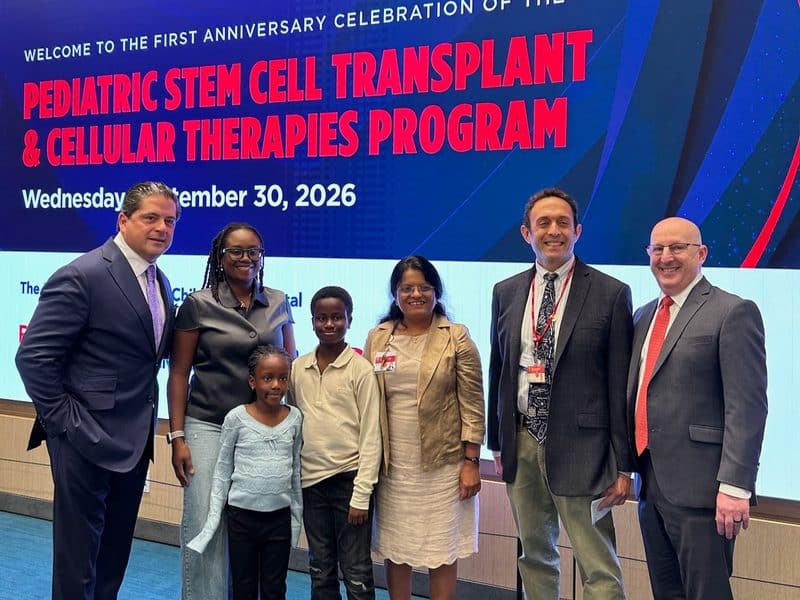
For Five Young New Jersey Patients, Sickle Cell No Longer Defines What Comes Next
Bone marrow transplants and gene therapy are changing what is possible for young people with sickle cell disease, bringing potentially curative treatment closer to home for NJ families.
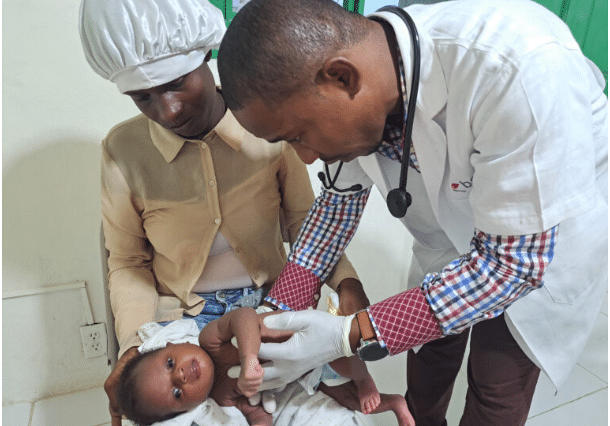
Lamp For Haiti Marks 20 Years Of Bringing Healthcare To Cité Soleil
The Haiti-focused nonprofit is celebrating two decades of providing healthcare in Cité Soleil as rising needs put new demands on its medical programs.

Have The Conversation
Why Black men should talk with their clinicians about prostate cancer risk before symptoms appear