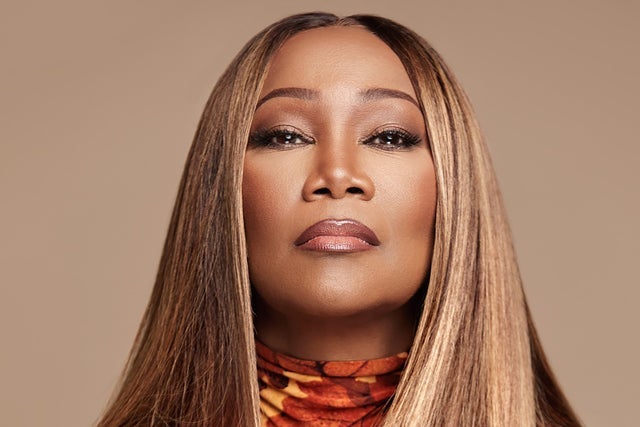
“Dear America, A Letter from Black Women”
The documentary Dear America, A Letter from Black Women debuted on Thursday, February 27, sharing the untold and overlooked stories of Black women throughout the United States who shape American society.
Directed by Dana Offenbach of CinemaStreet Pictures, the documentary was written and executive produced by Shennell Barnes, the founder of the Dear America Project and Project Ready.
Dear America was also produced by Julia Carias-Linares and Meiling Macias-Toro of Freedom Studios. The premiere was co-sponsored by Women@NJPAC, YWCA Northern New Jersey, Project Ready, Freedom Studios, and The Dear America Project.
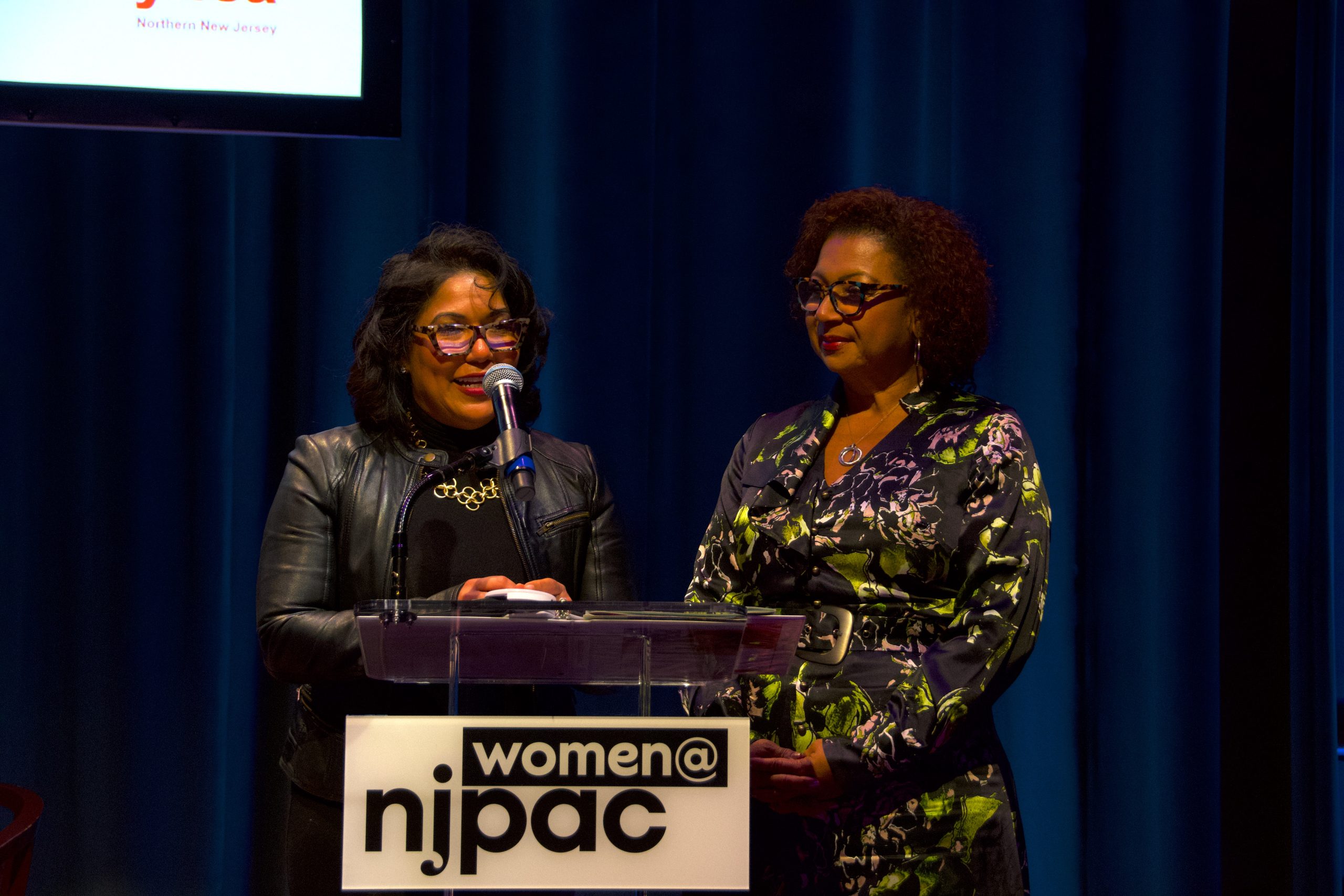
“When I set out to create this film, I knew I was carrying not just my voice, but the voices of countless Black women who have been waiting and yearning to be heard,” said Barnes.
“But what I didn’t fully anticipate was how this journey would show me that when women unite across every divide, we become an unstoppable force.”
Opening with a montage of a country in turmoil, Dear America displayed how Black women continue to lead protests against the rising tide of racial and social injustice in the United States.
The documentary interviews include politicians, lawyers, and activists, including Martin Luther King III, who stated, “Black women are the backbone of our society.”
However, Dear America argued that while Black women have played such huge roles in shaping American history through activism, they don’t get enough credit for their work and still have very little input.
As the film explored how Black women continue to be discriminated against, it also brought up issues like the gender wage gap and high maternal mortality rates in America.
At the same time, Dear America brought up issues with voting, showing how many Americans did not practice their right to vote after so many people, including Black women, fought so hard for the privilege.
The documentary explored how people did not vote due to their schedule or the belief that their vote doesn’t matter, as well as how U.S. lawmakers have suppressed minority voters.
In the face of such issues, Dear America urged its audience to go out and vote while calling for electoral reform.
All in all, the film proved that votes do matter and that they can produce positive social change, which is why politicians are trying so hard to take people’s votes away.
After the film, Barnes moderated a panel discussion with actor/filmmaker/activist Dr. Malik Yoba; actor/writer/producer Cassandra Freeman, best known as Aunt Viv from Bel-Air; and Dee C. Marshall, CEO of Diverse & Engaged (D&E).
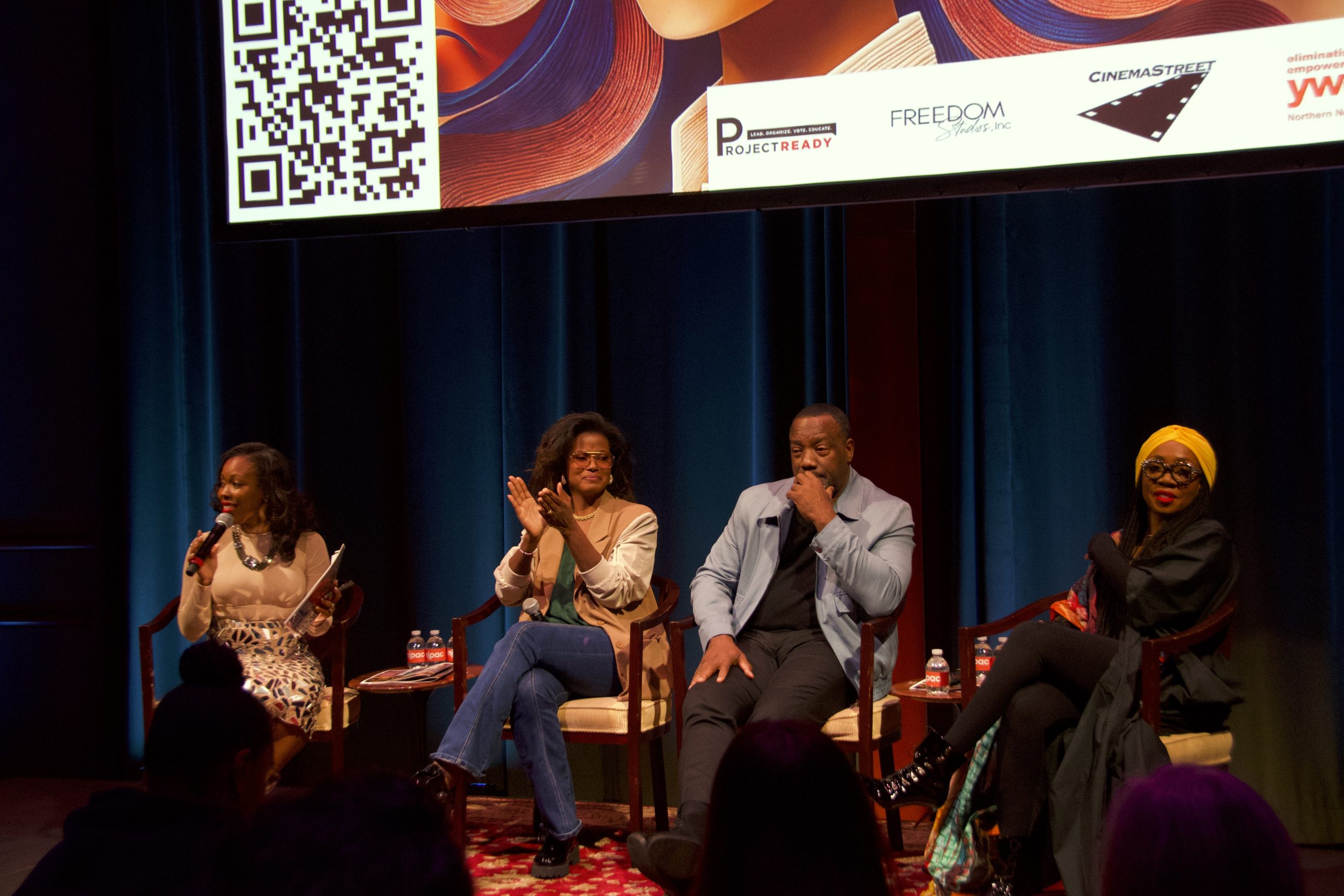
During the panel, Dr. Yoba praised Barnes for her documentary, claiming it deserved an Oscar for its approach to issues ranging from history to spirituality, abuse, health care, and gerrymandering. He admitted to tearing up 30 seconds into the film.
“Just from a cinematic perspective, I think this was one of the most important films that was ever made in life, in history, in cinema,” said Dr. Yoba.
“I saw [the film] before the election, and I just knew that it was a masterpiece and how God used you all to produce this. It was masterful – the story that needed to be told, the space that needed to be held to amplify Black women,” Marshall added.
While the panel made it clear that watching Dear America is a necessity for everyone, the conversation around this film is now different since the documentary was made before the 2024 election.
As a country, Marshall argued that people must take time to heal and guard themselves in order to proceed with the next step toward upholding American democracy.
In the end, Dear America portrays how more work needs to be done.
Following her experience in making Dear America, Barnes hopes to see it turn into a series exploring different groups of people, such as Black men, immigrants, and healthcare patients.
“We hope that this will be the beginning of an exploration of humanity, an ability for people to be able to connect with other people, but above all else, an ability for us to be able to truly transform America to the America that I think we all want to see,” said Barnes.
For more information about Dear America, A Letter from Black Women and any future screenings, please visit The Dear America Project.
Related Articles

How an Afternoon in Newark Built the 25-Year Legacy of Jazz House Kids
Now in its 25th year, Jazz House Kids in Montclair continues its mission of bringing live music to students from various communities.
Newark Symphony Hall Celebrates 100 Years With Massive Restoration Project
New Jersey’s iconic Black-led arts institution is getting a high-tech facelift, including new TV studios and an arts lab by fall.