
New Jersey Assembles Leaders in Higher Learning For Mental Health Summit
The Summit, organized by co-chairs Dr. Anne Newman and Dr. Takeem L. Dean, hosted its second annual event on January 9. It welcomed esteemed dignitaries such as State Assemblyperson Ryan and Secretary of Higher Education Brian Bridges. During its opening session, roughly 350 people attended, braving the cold to unite in their commitment to addressing this critical health issue of Linda S. Carter and Joseph P. C.
Specifically, the Summit focused on how student mental health remains a significant issue in the post-COVID world. Stevens’ President, Dr. Nariman Farvardin, stated that trends regarding mental health issues amongst college students have declined thanks to the Summit’s work, particularly at Stevens.
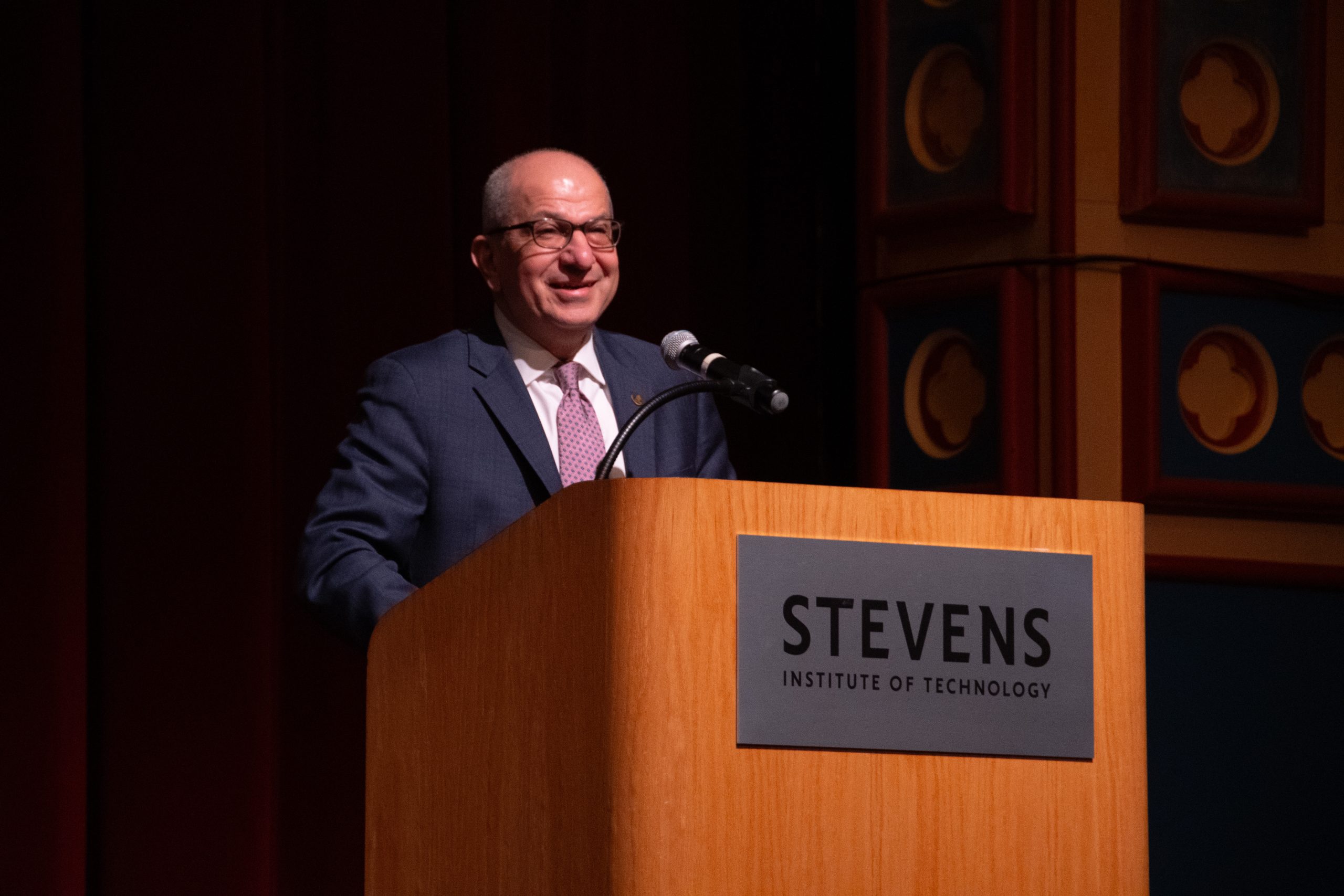
“So at Stevens, we have made student mental health and wellness a cornerstone of our campus culture,” said Farvardin. “We have expanded our counseling and psychological services. We have invested resources, time, and an incredible amount of effort…. We’ve launched innovative peer support programs and dedicated wellness spaces across our campus.”
Despite the improvements, Farvardin made it clear there is still much work to be done to improve mental health on college campuses. Though the pandemic made the public more aware of this issue, its lasting effects linger in students’ minds. In a recent Healthy Minds Study, 38% of college students reported “moderate to severe depression symptoms” in 2023-2024. While this is less than the 44% reported in 2021, it is still slightly above the 36% reported in Fall 2019, just before the pandemic.
Since the U.S. Surgeon General declared loneliness a nationwide epidemic following COVID-19, the Summit emphasized students’ need to reintegrate into campus life and build social connections that improve well-being. Likewise, schools were encouraged to teach students how to perform mental health interventions and reach out to others when they need help, along with lessons in using social media responsibly and positively to counteract its harmful effects.
Following opening remarks, the Summit hosted several programs across the Stevens campus centered around the theme of creating more inclusive, supportive, and environmentally sustainable environments. The event saw speakers from schools throughout New Jersey, including Montclair State, Rutgers, Stockton, Princeton, Seton Hall, Ramapo College, Rowan College, and the New Jersey Institute of Technology.
The event also welcomed speaker Larry Klein, the director of Social Services at the Bergen New Bridge Medical Center, the largest safety net hospital in New Jersey. Klein shared his insights on what steps universities could take to address Social Determinants of Health (SHOD), which affect students’ mental health and, therefore, academic performance. SHODs include housing insecurity, transportation barriers, nutritional needs, economic stability, education, healthcare access, and health literacy.
“Mental health problems don’t discriminate,” said Klein. “And they certainly don’t discriminate based on educational level, so it definitely affects those who are trying to better themselves and get an education through the college systems as well.”
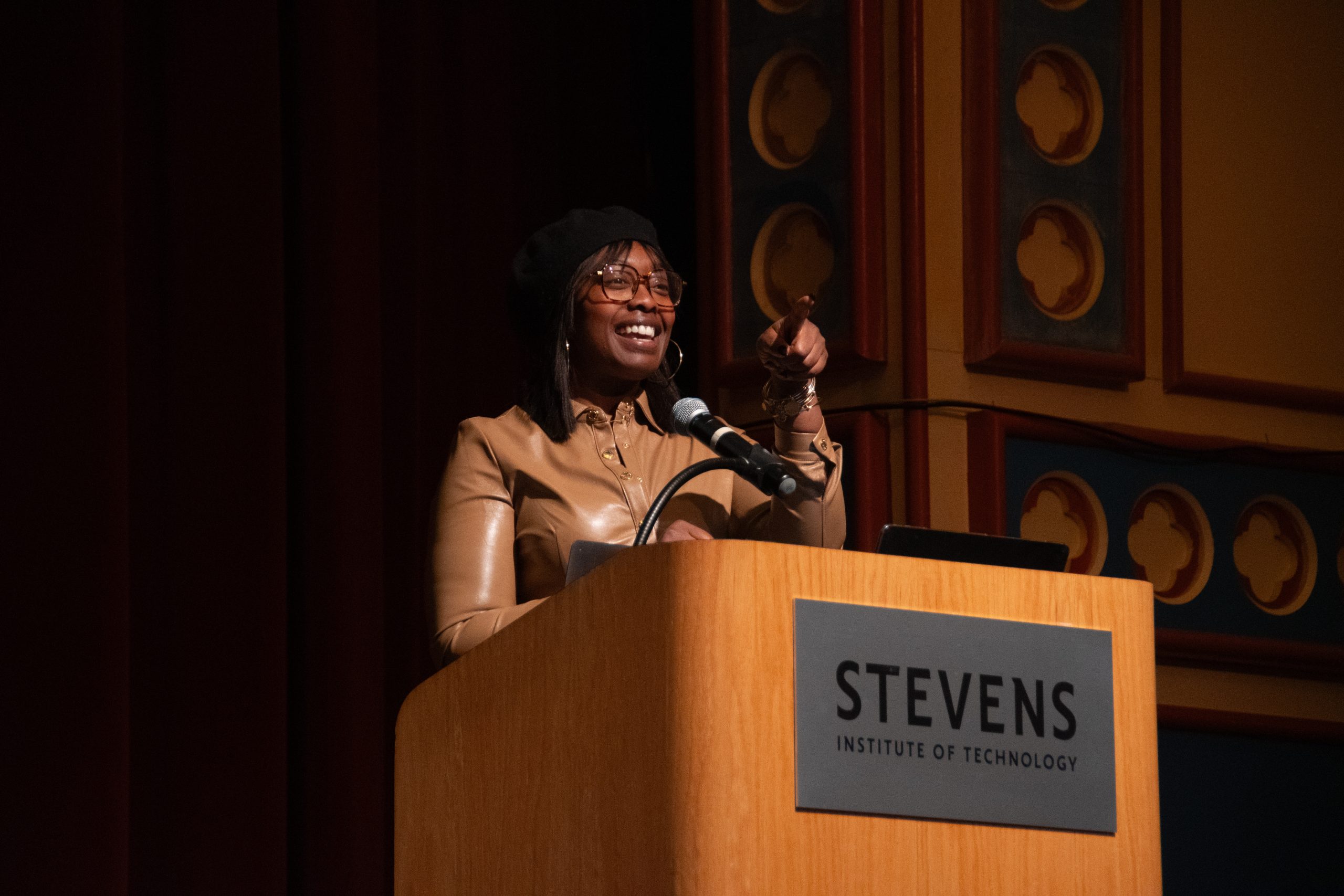
Dr. Jasmine A. Lee closed the Summit with her presentation about “radical love and belonging,” which she describes as “love over force, fear, and apathy” and the pursuit of “justice, inclusion, and equity in the name of love.” According to Lee, this concept involves offering unconditional love to others and creating an environment that provides a sense of safety, empowerment, and belonging, allowing them to succeed while being their “whole selves.”
In the end, the Summit offered several illuminating discussions about the mental health issues that American college students experience today. Though such widespread problems remain complicated, the Summit underscored the importance of experts and leaders coming together to put their money, knowledge, and resources into combating these issues and supporting the well-being of American youth.
“Student mental health is an incredibly complex problem,” said Dr. Farvardin. There is no one silver bullet…. So it’s important that we recognize the complexity of this issue and behold a whole host of solutions and learn from each other from our best practices. Be as innovative as possible in order to try and contain this problem as best as we can.”
Author

Related Articles

Cowboys Safety Alijah Clark Brings Mental Health Message Home To Camden
The Camden native’s youth was marked by loss. Now he’s using his NFL platform to make sure other young athletes don’t suffer in silence.

Maternal Health Services Take Shape In Trenton, Once A Birthing Desert
State agency hosts transportation program, doula training; clinical services to follow

How BlackMenHeal Is Rewriting The Narrative On Black Men’s Mental Health
By offering free, culturally responsive therapy, this grassroots nonprofit is dismantling cost, stigma and systemic barriers to healing.