
Allergies, Cold, Flu or COVID-19? – Here’s How You Can Tell the Difference
With the devastating impact, physically, emotionally, socially and economically, that the global community has endured since the health pandemic known as COVID-19 invaded our lives, it’s easy to understand why every sneeze, cough or tickle in the throat causes even greater concern than in years prior to the pandemic.
Questions like “Is it COVID-19” or “Have my worst fears come to pass?” now haunt millions of allergy suffers around the country. Seeking an answer becomes even more complex as one attempts to self-diagnose to determine if they or someone around them, is suffering from allergies, a cold, the flu or COVID-19.
To be certain, it’s best to consult a physician. However, there are several ways to determine what may – or may not – be ailing you.
Allergy symptoms range from mild to severe and can occur seasonally or be present year-long. In patients with asthma, allergies can cause a cough, wheeze and shortness of breath. Allergies are caused by your immune system overreacting to normal things in your environment — such as pollen, dust, mold, pet dander — and are not contagious. Medications, including allergy shots, can typically help patients find long-term relief.
COMMON ALLERGY SYMPTOMS
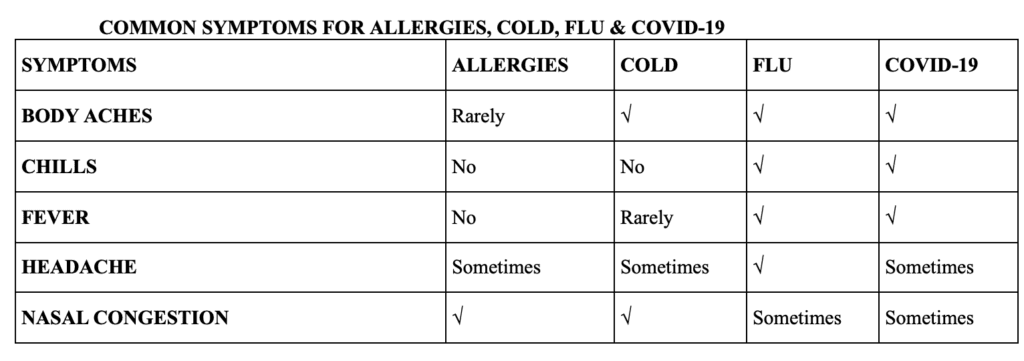
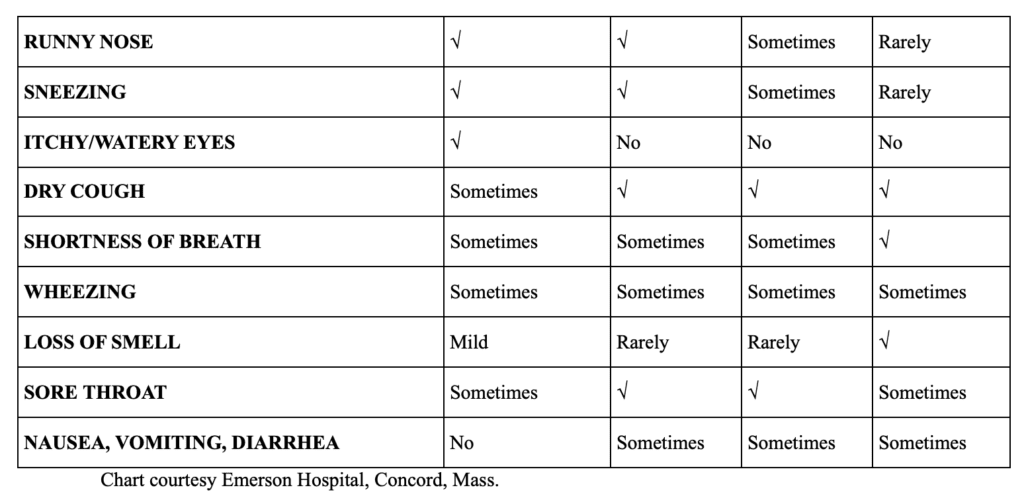
- Sneezing
- Runny or stuffy nose
- Itchy or watery eyes
- Itchy nose or ears
- Post-nasal drip (which can sometimes cause a mild sore throat)
- Mild fatigue
- Fever
- Dry cough
- Shortness of breath
- Intense fatigue, body aches
- Loss of smell
- Often people with allergies have a history of seasonal allergies.
- Allergy symptoms tend to be more long-lasting than viral symptoms.
Related Articles

Life With Depression As A Person Of Color In New Jersey
Depression is a common mental disorder that can have serious ramifications. Approximately 14% of New Jersey residents have the disorder. This article presents a perspective from a New Jersey resident with depression as well as multiple experts.


Cowboys Safety Alijah Clark Brings Mental Health Message Home To Camden
The Camden native’s youth was marked by loss. Now he’s using his NFL platform to make sure other young athletes don’t suffer in silence.