
Only 3.8% of U.S. Dentists Are Black, New Report Finds
A new Delta Dental report highlights a stark lack of diversity in the dental workforce, as Dr. Nicole McGrath-Barnes explains how representation, access, and early education are key to closing oral health gaps in New Jersey’s underserved communities.
A newly released report from Delta Dental is shining a spotlight on a long-standing issue in American healthcare: the lack of diversity in the dental workforce.
According to the findings, just 3.8% of dentists in the United States are Black, and about 6% are Hispanic, numbers that have remained largely unchanged for decades. Meanwhile, communities of color continue to grow, and with them, the demand for culturally competent care.
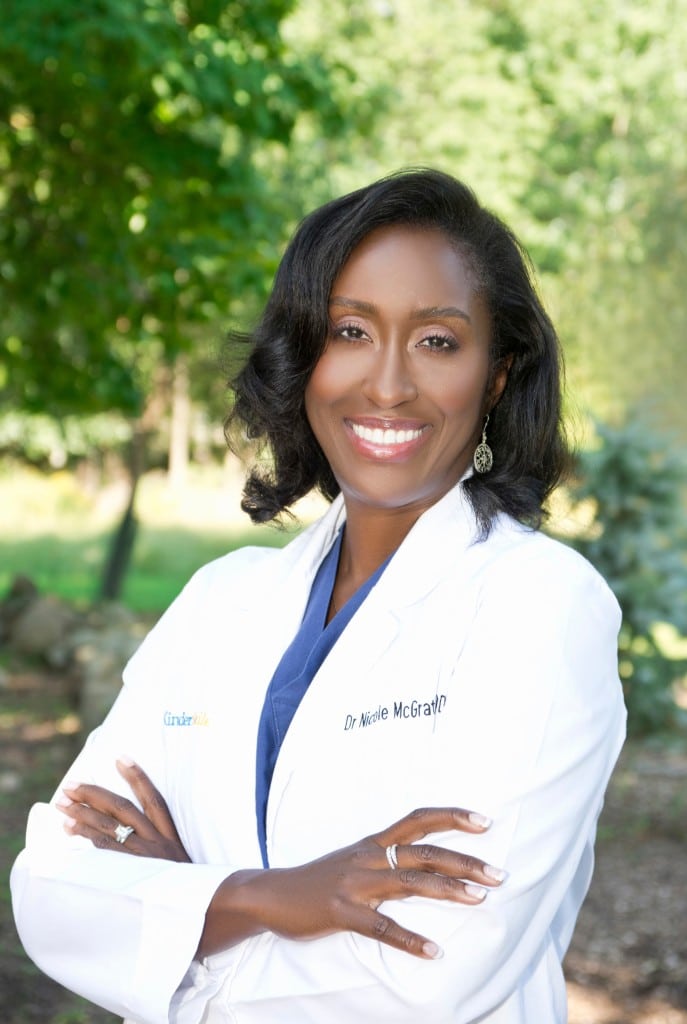
For Dr. Nicole McGrath-Barnes, a New Jersey-based dentist and founder of the KinderSmile Foundation, the findings are both concerning and validating.
“What stood out to me the most is that the profession is finally recognizing the problem,” McGrath-Barnes said. “When you acknowledge there’s a shortage of Black and Brown dentists in underserved communities, you can begin working toward solutions.”
A Workforce Gap With Real Consequences
The lack of diversity in dentistry is not just a numbers issue, it has direct consequences for access to care.
“There’s a tremendous impact,” McGrath-Barnes said. “People want to go to providers who look like them, who understand their experiences.”
She points to cities like Trenton, where tens of thousands of predominantly Black and Brown residents rely on just a handful of providers who accept Medicaid or serve uninsured patients.
“That’s a lot of mouths for very few organizations to serve,” she said. “When there aren’t enough providers, patients end up in hospital emergency rooms, which burdens the entire system.”
Nationally, poor oral health contributes to 92 million missed school and work hours each year and an estimated $45 billion in lost productivity, figures that underscore how deeply oral health is tied to economic stability.
Breaking Misconceptions About Oral Health
Part of the challenge, McGrath-Barnes said, is public misunderstanding about oral health. She emphasized that oral health is deeply connected to overall health, linking poor dental care to conditions like heart disease, diabetes, and pregnancy complications.
“People think you can’t die from dental issues, or that everyone has access to care. Neither is true,” she said. “Oral health is the gateway to total health.”
Building the Pipeline Early
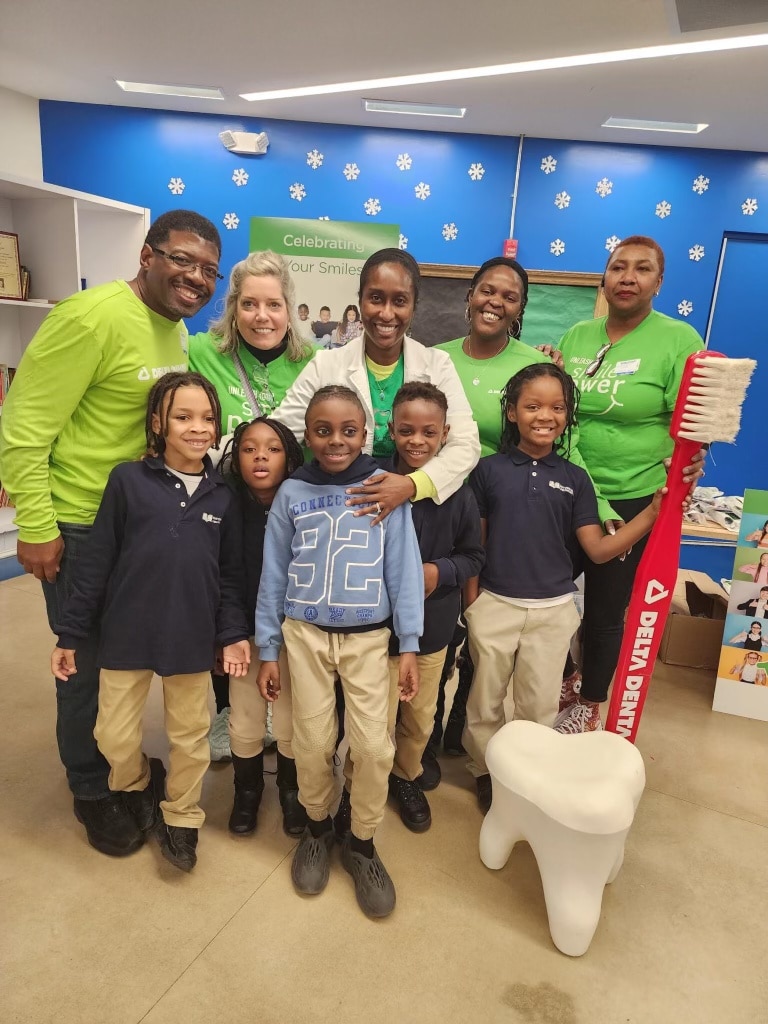
Beyond addressing immediate care gaps, McGrath-Barnes is focused on long-term solutions, starting with creating pipelines for students to enter the field. She said dentistry can feel out of reach for many young people “because they’ve never seen someone who looks like them in the profession.”
That’s why she advocates for introducing dental careers as early as middle school, along with mentorship and hands-on exposure.
“If I can do it, anyone can do it,” she said, reflecting on her upbringing in Brooklyn and journey through dental school. “It’s about discipline, motivation, and believing in yourself.”
From Private Practice to Purpose
The mission for equity in representation and care access in the dental industry is personal to McGrath-Barnes, whose path to advocacy began after years in private practice. Despite professional success, she said something was missing.
“I checked all the boxes, but I was unhappy,” she said. “I realized there’s a difference between providing a service and serving your community.”
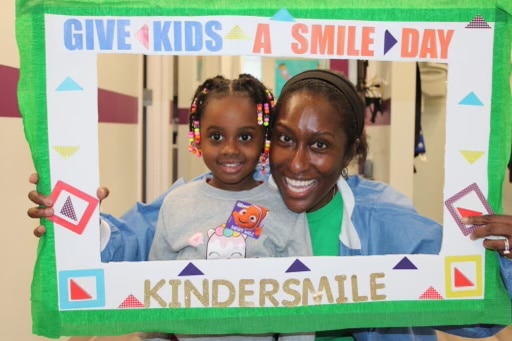
That realization led her to establish the KinderSmile Foundation in 2007, focusing on expanding access to care for underserved children and families across cities like Newark, East Orange, and Trenton.
The turning point came when she encountered a young child suffering from a severe untreated dental infection after months of being unable to find a provider who accepted Medicaid.
“That child could have died,” she said. “And not long after, a 12-year-old boy in Maryland did die from an untreated dental infection. That’s when I knew this was the work I was called to do.”
Policy Changes and Systemic Solutions
While community programs play a critical role in bridging dental care access gaps, McGrath-Barnes says systemic change is essential.
Among her top priorities: increasing Medicaid reimbursement rates in New Jersey, which she says have not been updated in over two decades.
“If Medicaid rates increase, more dentists will participate,” she said. “That means more access for children and families who need care the most.”
She also calls for greater investment in oral health at the state level and expanded pathways into dentistry, such as accelerated college-to-dental school programs that reduce financial barriers.
A Call to Action
Through partnerships, including with Delta Dental, which recently awarded millions in workforce development grants, McGrath-Barnes sees progress on the horizon. But she stresses that more must be done.
“We can’t stay in silos,” she said. “We have to come together to change these numbers and build a workforce that reflects the communities we serve.”
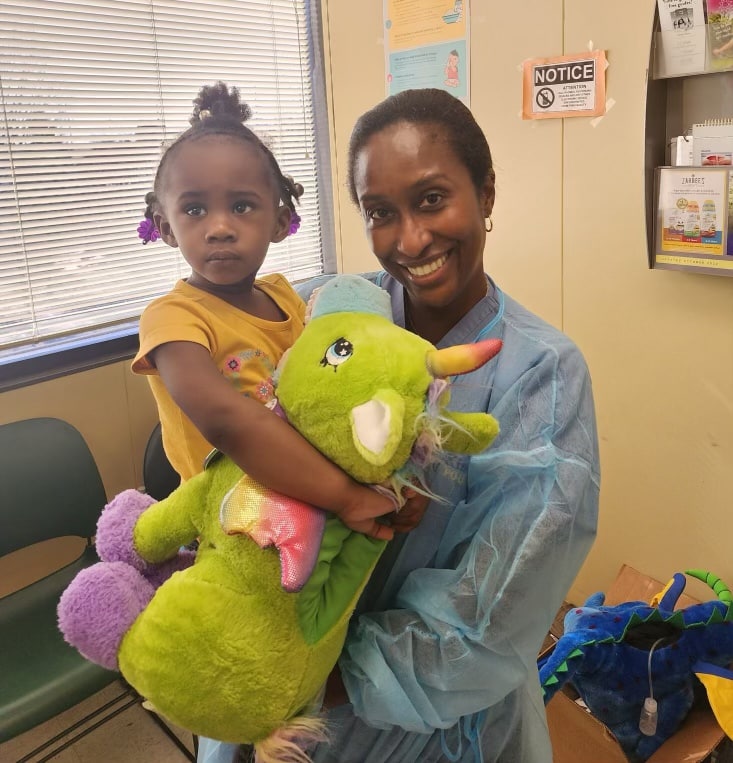
For McGrath-Barnes, the mission is clear: ensuring that no child or family is left behind when it comes to something as fundamental as oral health.
“Health is not a privilege,” she said. “It’s a right.”
Related Articles

Maternal Health Services Take Shape In Trenton, Once A Birthing Desert
State agency hosts transportation program, doula training; clinical services to follow

How BlackMenHeal Is Rewriting The Narrative On Black Men’s Mental Health
By offering free, culturally responsive therapy, this grassroots nonprofit is dismantling cost, stigma and systemic barriers to healing.

NJ Medicaid Cuts: Why Advocates Say Sherrill’s Budget Falls Short
Though Gov. Mikie Sherrill has a budget plan for 2027, local experts said it won’t be enough to alleviate the federal government’s cuts to Medicaid funding.