
Women of Color Navigate Changing DEI Landscape.
With the DEI, or the Diversity, Equity, and Inclusion Act, companies’ pushback has many NJ residents questioning their jobs and even how that can affect them on a personal level.
Many have expressed their concerns about the rising issues regarding DEI and dismantling programs that have helped many community members.
Maritza Walton, owner and CEO of the Ritz-Walton Wedding Collection, a wedding floral design firm, and Casa De Flora Bar, a floral-themed café where customers can create their own bouquets, has been open about her journey as a business owner and challenges as a woman of color in business.
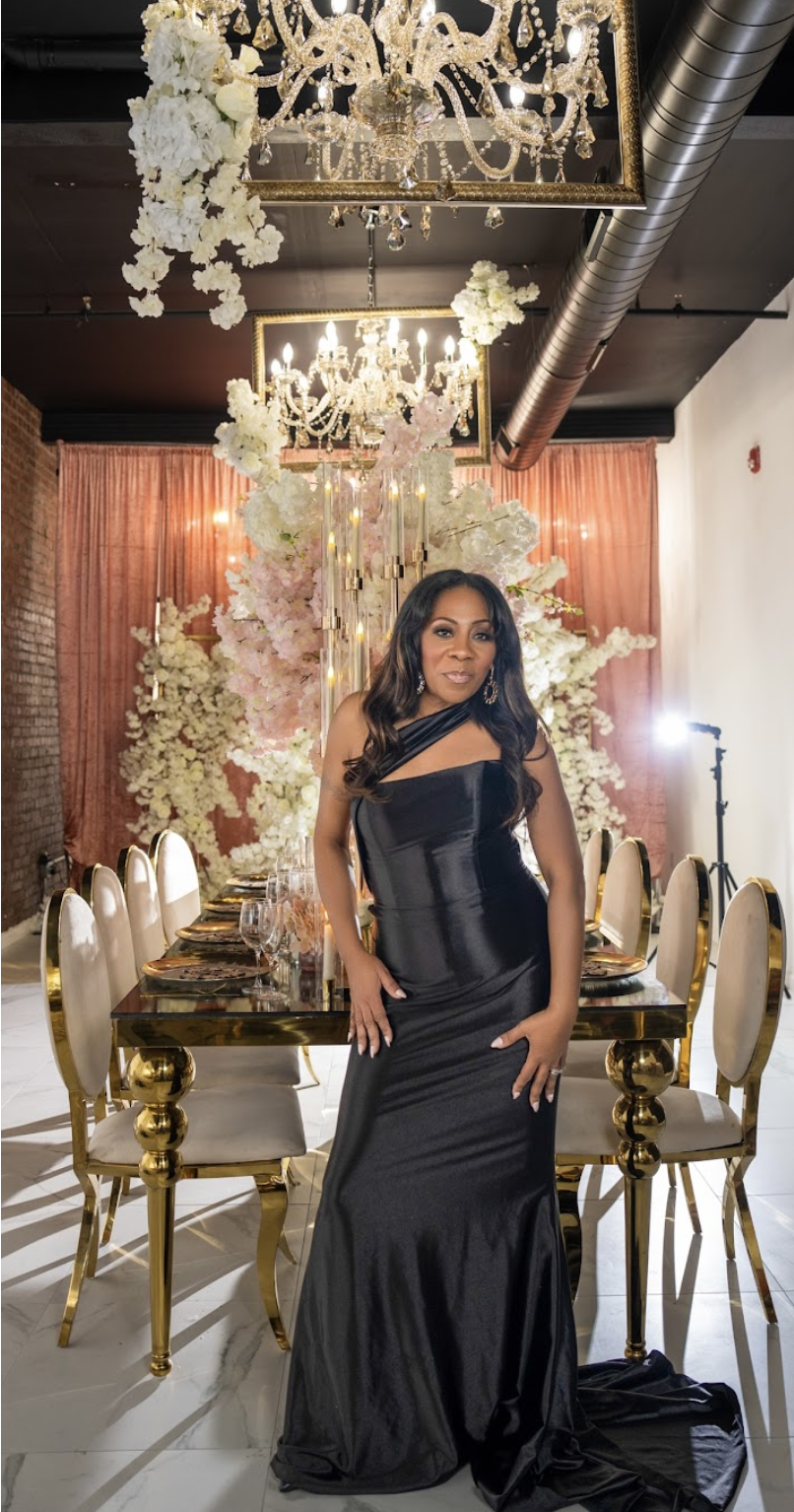
Inspired by COVID-19, Walton was able to transform and offer a space in Bloomfield, NJ, for people to sip and clip flowers.
When discussing the changes in DEI, Walton mentioned how she did not see many differences in her life since she didn’t have access to certain things regarding her business to begin with.
“Not to say that the DEI isn’t essential. It is for women, period, whether black, white, Caucasian, Spanish, whatever. But for some, it works, and for others, it just doesn’t. But in all honesty, if DEI is being rolled back, I’m not going to crumble. I’ll just continue to pivot, like I’ve always had to do, because honestly, it’s in my DNA, and I feel like it’s in all women’s DNA who were raised by strong mothers. We were always taught to, at least I was to have plan A, C, D, E, F, G,” Walton said.
One of the main challenges Walton faced was securing the funds needed to obtain capital and grants to open her business. To make it happen, she worked 2-3 jobs, managing to open the shop and run the cafe on her own. The opportunity to receive capital would have allowed her to build a team to help manage and grow the business better.
“When you look at who works here, we are very diverse. You know, I love that when I’m sitting at the edge of my bar and looking onto the floor, my customers are very diverse.” Walton said.
DEI strives to run a business with such diversity, and they aim to promote fair treatment to groups who have historically been underrepresented or subject to discrimination.
She explains that it’s all about marketing, and how one presents their business affects who walks through the door. By promoting her business, she can attract a wide range of people to her shop.
Although the DEI cutbacks have not necessarily affected her business firsthand, she has emphasized the need for women to stick together in business and support each other.
“There are so many challenges that I feel like, if we learn that stronger is better, we will amplify each other. You know, we have vision. When we come together, we get so much more instead of always being in competition.” Walton mentioned.
Adenah Boyoh, CEO of Adenah Boyoh and Companies, discussed her journey in real estate and entrepreneurship inspired by her grandmother. Growing up with low income and being in affordable housing gave her the perspective of wanting to make people’s lives better and build better homes for people. Living in New Jersey after having immigrated from Liberia, she was able to see and get to know her community better.
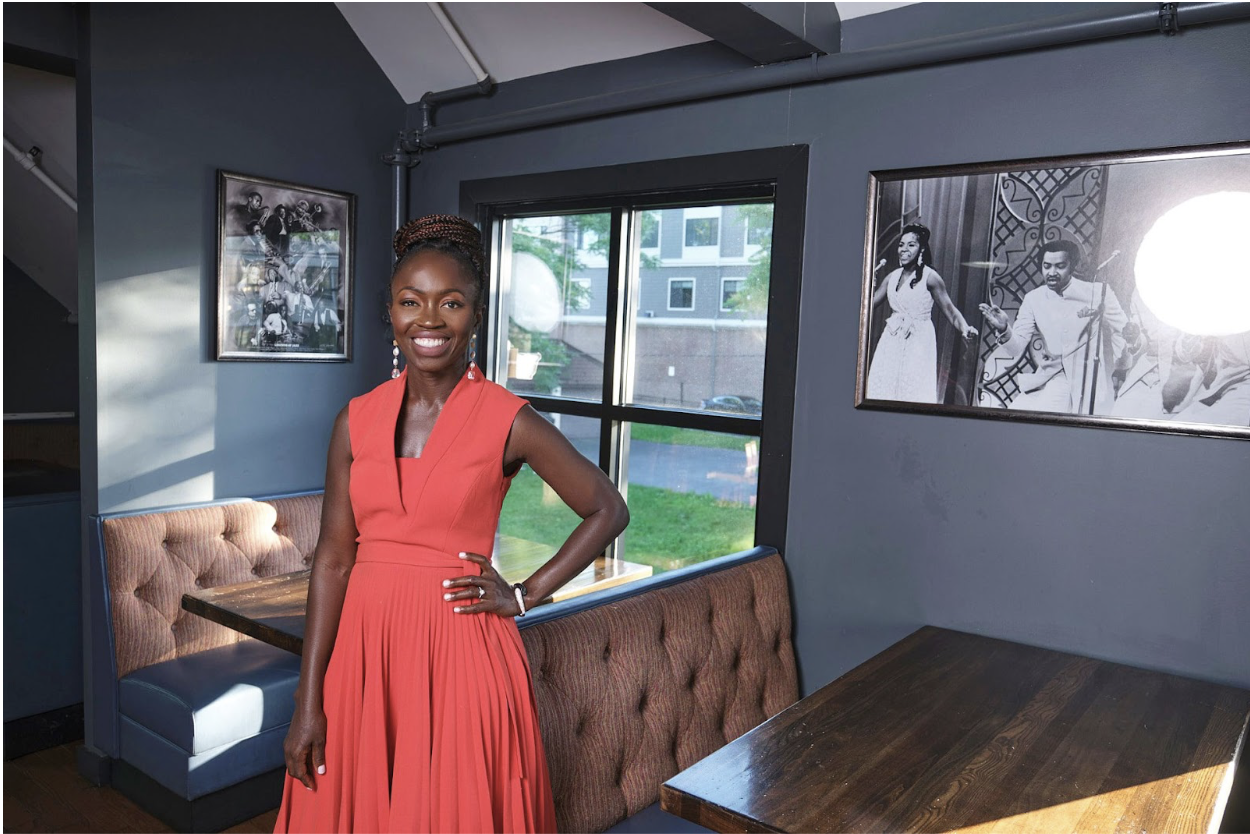
One of the challenges when opening her business, such as the restaurant business and real estate, was having access to funding and not having access to capital.
For her, being a woman in business has been an eye-opening experience, one that brings a range of perspectives. She believes women approach leadership differently, often leading with care and a nurturing mindset, but still having to prove themselves to people.
One of the toughest things Boyoh has had to do recently was close down one of the restaurants since it was not performing to the standard. Her main concerns were her employees and the damage to the rest of the portfolio.
“ I reached out to the lender about, you know, giving me some restructuring, allowing me to work out a payment plan. It was no, either you pay us everything you owe us right now, or we’re going to send you to court, and it was just a threat of court. It was really disheartening to see that kind of attitude being taken when the restaurant wasn’t making any money; I didn’t want to go file for bankruptcy, because I know I would just put another barrier in front of me as a woman business.”Boyoh said
Navigating a space with more obstacles has been difficult for Boyoh. However, there are still individuals and organizations committed to meaningful work and supporting DEI.
Several organizations Boyoh mentioned, such as Enterprise Community, the Reinvestment Fund, and Momentous, have been able to support marginalized communities long before diversity, equity, and inclusion (DEI) became headline topics. She stated how these organizations were doing the work before it was popular to fund or even pay attention to these communities, and they continue their efforts today with the same dedication.
“So I lean on those people.. But those people who were raising a flag looked at me. Look what I’m doing. They are the first ones to run when things get hard, and some CEOs are really out here talking to talk, but not walking the walk.” Boyoh said
As a black woman entrepreneur, Boyoh mentions that there aren’t many opportunities. For her, it is about navigating that space and staying true to herself. Giving back to her community is the reason she sits here today.
“We have to look for authentic people in doing this work and just lean on them. And for me, that’s what I’m doing. I’m leaning on people who have made sure that putting communities like the ones I work in is paramount and continue to work with them.” Boyoh mentioned.
Like Boyoh, Barry Gibson, owner of Curlective and a global artist for Morocco professionals, where Gibson teaches at the academy and a platform for artistry, she originated from her salon, Red Roots, at age 26. From the expansion, she created Curlective.
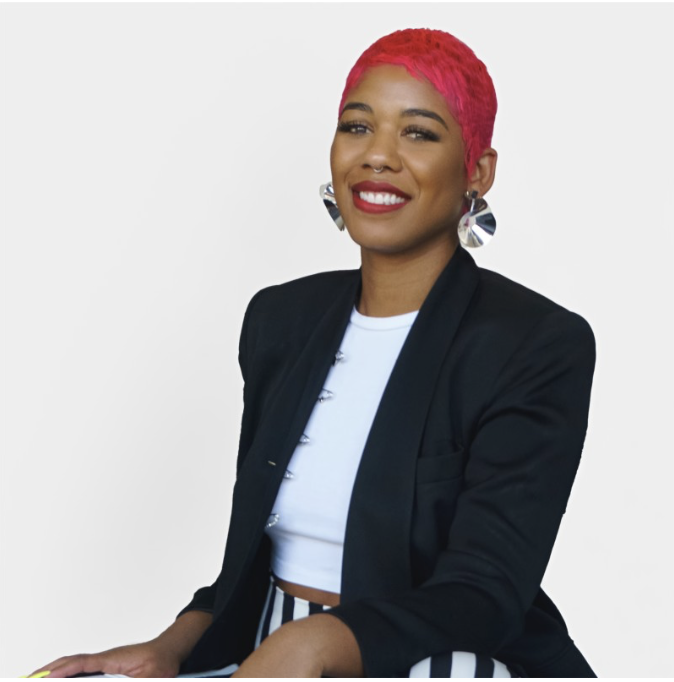
When she expanded her business, her goal was to create an inclusive space for people of color, specifically, but not exclusively, and for individuals with curly and wavy hair, whom she described as a “quote-unquote minority group.”
She explained that people with textured hair often go unseen and unheard, and she wanted to change that. Her vision was to build a place where clients could learn about their hair, feel safe discussing their challenges without judgment, and receive proper education on caring for their curls. Above all, she wanted the space to be beautiful, welcoming, and empowering. “Our mantra is: great hair, good vibes,” she said.
One of the main challenges with starting her own business would be constantly digging for ways to expand, receiving money grants, and finding tax professionals who understand the difference in how the community spends money on hair, as opposed to other salons. Making her salon as inclusive as possible so that every group is seen, and also making a conscious effort to hire diverse people for her salon. She mentioned the need for Spanish speakers for her salon and how it can do a disservice by not having a fluent Spanish speaker to help her business.
“It’s a very conscious effort to make sure that you are hiring and allowing people the chance, you know, women are smart, and we make great decisions. We bring companies to the top, or so I think it’s just making a space for us and others to be inclusive.” Walton mentioned
She acknowledged that while some companies still lack diversity, she is actively working to ensure inclusion and visibility within her community. This includes thoughtful practices like extending blowout appointments to an hour and a half for clients with curly hair and adjusting scheduling to ensure everyone feels comfortable and accommodated.
“The community events, showing up and doing panels and speaking to people like this, like in an interview, that’s why I was like, I would absolutely do it, because I love for other people to find another person that has the voice that maybe they didn’t have, you know? So that’s what keeps me going. It’s actually pretty easy for me to keep going. I get discouraged sometimes, but I’m very easily motivated by what’s around me.” Walton said.
As DEI efforts continue to be scaled back, many women of color business owners have been forced to adapt. Entrepreneurs like Barry Gibson, Adenah Bayoh, and Maritza Walton are leading that shift, intentionally embedding diversity and inclusion into the fabric of their businesses. Whether through community-centered initiatives, mentorship, or simply ensuring every person who walks through their doors feels welcome, these women continue to build spaces where everyone belongs. Even as support for equity starts to fade, these women are a reminder that real, inclusive work is still happening and it’s being driven by those who have always known just how vital it is.
Related Articles

More NJ Workers Are Now Eligible For Family Leave Job Protections
Changes to New Jersey’s family leave law taking effect Friday will capture more businesses and make more workers eligible for job protections

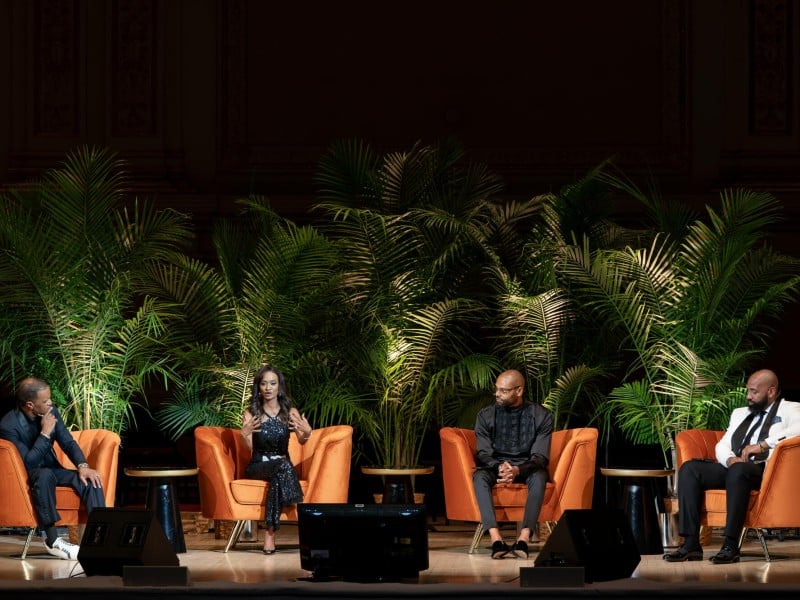
Power Network Celebrates Black Culture, New Technology, And Entrepreneurship
The fourth annual Power Network brought together leaders in hip-hop, finance, business, and digital technologies at Carnegie Hall to promote industry innovation and economic opportunities.