
Power Network Celebrates Black Culture, New Technology, And Entrepreneurship
The fourth annual Power Network brought together leaders in hip-hop, finance, business, and digital technologies at Carnegie Hall to promote industry innovation and economic opportunities.
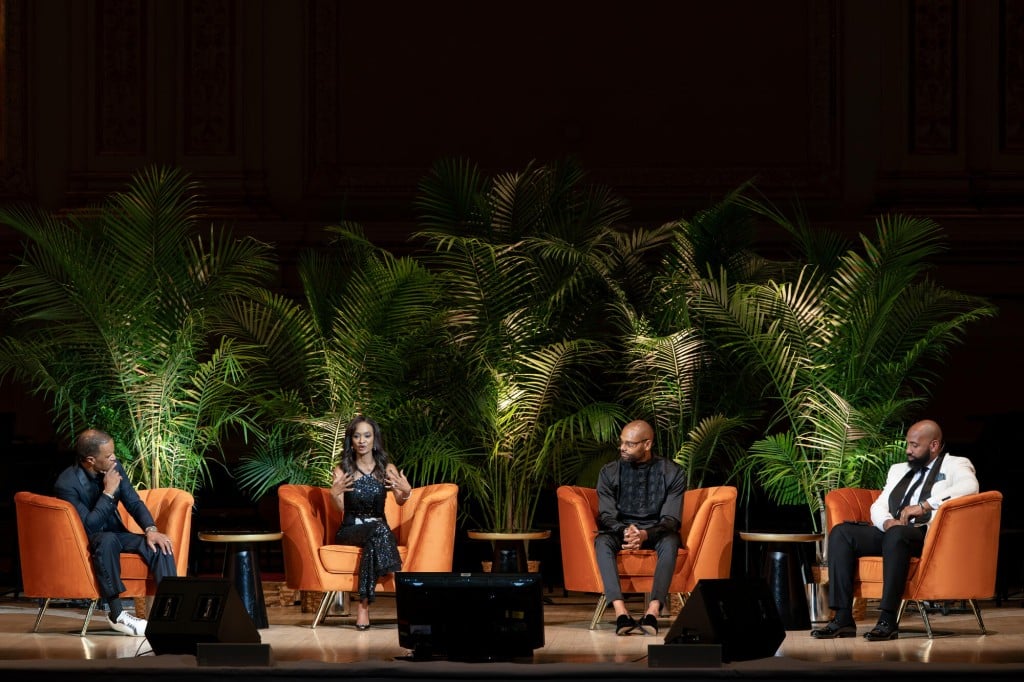
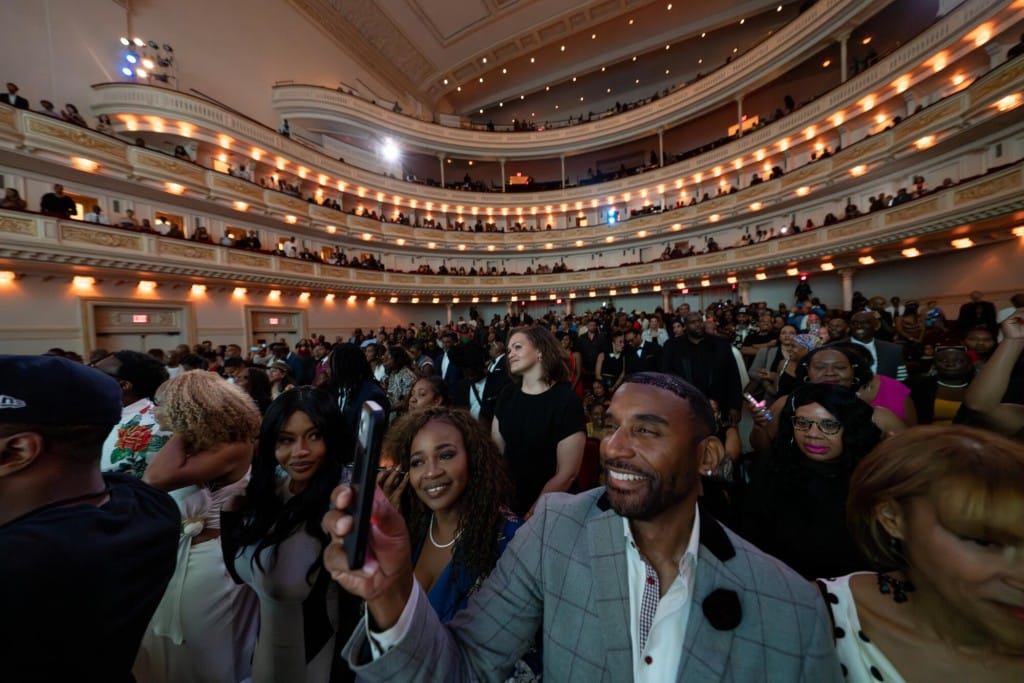
As the nation celebrated Juneteenth, business leaders, entrepreneurs, musical artists, and industry innovators gathered at Carnegie Hall for the fourth annual Power Network, an evening of networking, financial empowerment, emerging technologies, and Black cultural celebration.
Hosted by radio personality and comedian Ed Lover, the Power Network welcomed artists, entrepreneurs, innovators, and community builders from across the United States to learn, connect, and share ideas.
Lattelle Reaves, a human resources executive from South Plainfield, said that she attended Power Network for the second time to keep up with current business trends and opportunities.
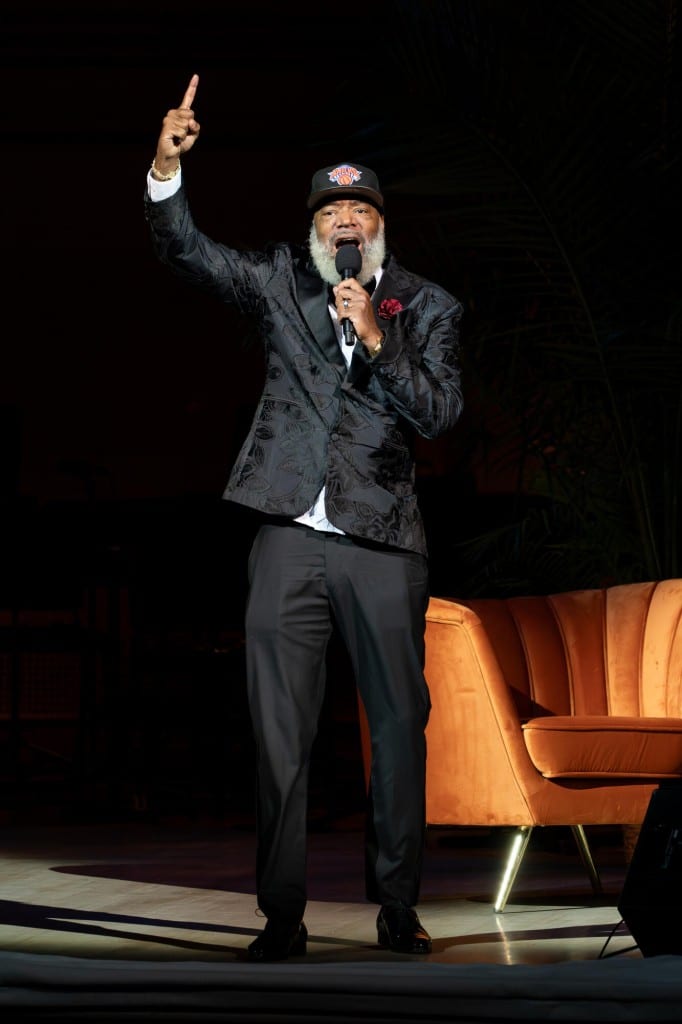
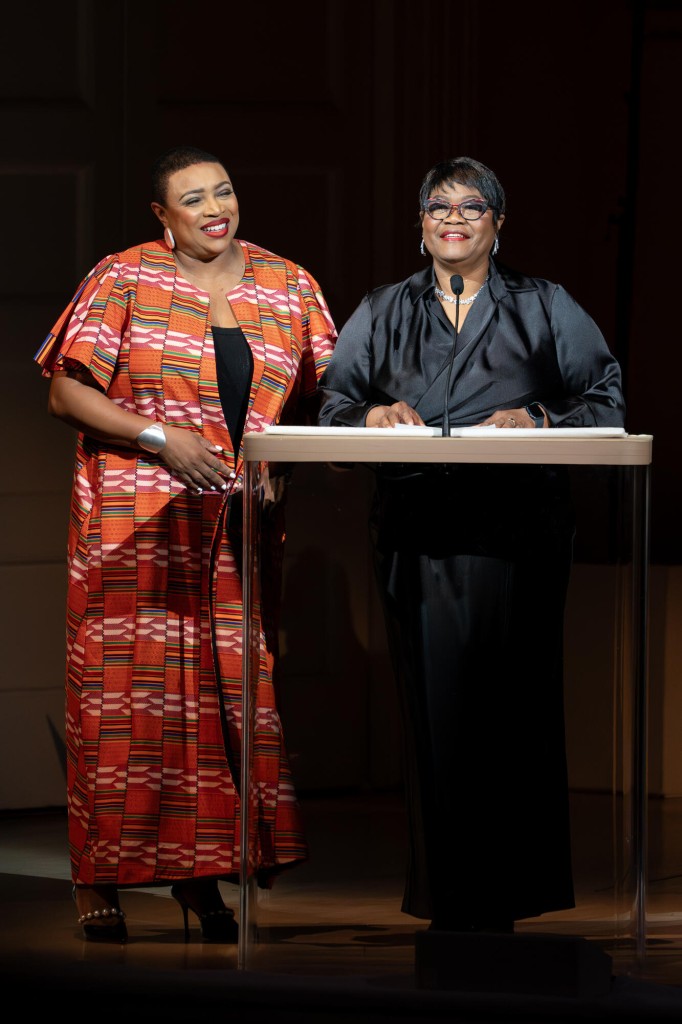
Speakers at the event commemorated the holiday while emphasizing the importance of protecting people’s right to freedom, including financial freedom.
“[Juneteenth] reminds us that freedom has never arrived all at once. It has always had to be defended by the communities to let [freedom] delayed come denied. Juneteenth has taught us that freedom ain’t free,” said Melanie Campbell, president and CEO of the National Coalition on Black Civic Participation.
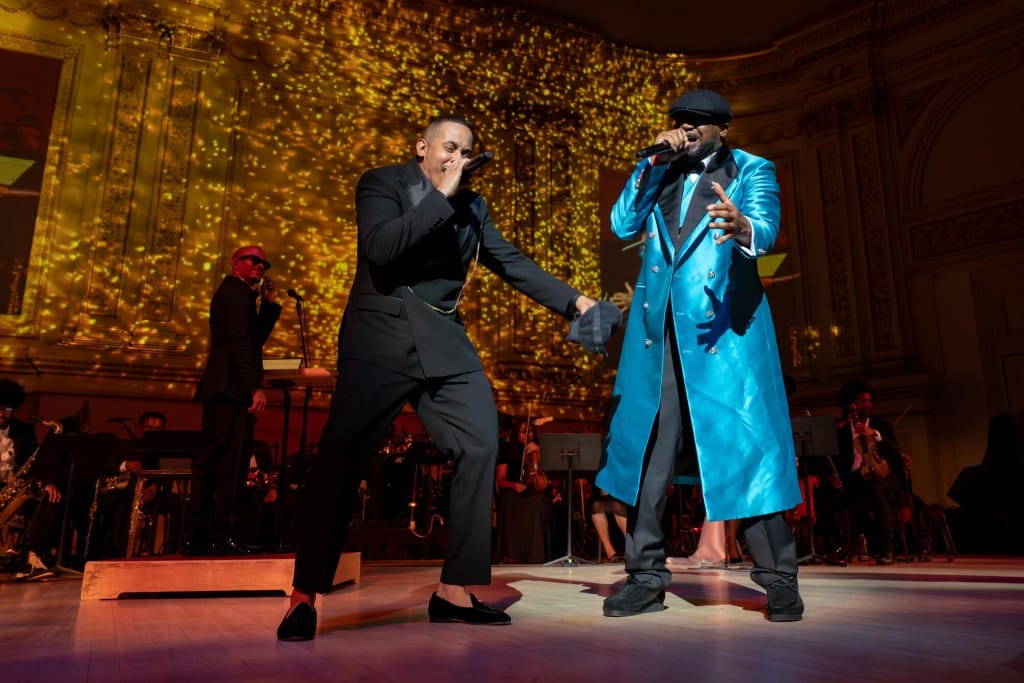
This paved the way for the Power Network’s celebration of Black music and culture, featuring performances by such renowned artists as Ghostface Killah of the Wu-Tang Clan, Big Daddy Kane, Doe Jones, DJ Jon Quick, and Igmar Thomas’ Revive Big Band.
Along with lively musical performances, Power Network offered attendees a venue to discover networking opportunities and learn from industry leaders about technologies and strategies to help them succeed financially and entrepreneurially.
Panelists at the Power Network included such notable CEOs as Beatrice Dixon of The Honey Pot Company, Arian Simone of Fearless Fund, and Kirk McDonald of Sundial Media & Technology Group.
Throughout the event, multiple panelists highlighted the benefits of people using various forms of AI in the workplace. Speaker Alicia Lyttle, an entrepreneur widely known as the “Queen of AI,” led a panel teaching attendees how to create an AI agent to assist them in their work. She introduced her AI agent, Maximus, which said it saved Lyttle 155 hours managing thousands of emails for her.
Despite widespread concerns about AI taking people’s jobs, Lyttle argued that this technology isn’t about reducing human workers – but rather increasing the number of humans working with AI to increase productivity.
The panelists also emphasized their desire for equal access to AI tools, noting that the technology can help aspiring entrepreneurs start their own businesses and succeed in the modern world.
“When you think about how we’re working with AI, the same human, add it with AI, and the results become [a] multiplier,” said Lyttle. “I think the return on AI labor in this case is between 400% and 1,000%, $100 to $1,000 down.”
Panelists also explored advancements in digital currency. Derek Ferguson, in particular, led a presentation about the Vibranium Network, the world’s first social economic network built on the blockchain. The Network has been presented as a way for Black communities to use technology to build their own wealth, practice financial freedom, and help close the wealth gap.
The panelists emphasized the importance of understanding digital currency, saying that major financial institutions such as BlackRock, Fidelity, and J.P. Morgan have already embraced it. They said that financial literacy is not taught consistently in schools, limiting their ability to capitalize on the world’s growing digital economy.
Panelist Racquel Oden, U.S. head of wealth and private banking at HSBC, said, “We, as a community, need to move from financial literacy to financial fluency,” as it presents the opportunity to have “command and control of our money.”
As the Power Network shifted between musical performances and panels on entrepreneurship, artificial intelligence, and financial literacy, attendees engaged in a Juneteenth celebration that offered new tools and economic opportunities to empower and support them in their careers.
“On Juneteenth, we remember that freedom delayed is still [being] fought for…,” said Campbell. “We recommit ourselves to the work of making freedom functional, because Black enfranchisement is not something about access to the ballot. It is about access to power, access to ownership, access to safety…that’s the work we do.”
Author

Related Articles
Tip “T.I.” Harris Invests In pocstock To Advance Creator Ownership In AI
Harris and pocstock support a responsible, representative AI-data ecosystem centered on consent, licensing, compensation and cultural agency
Black Professionals Month Aims To Collaborate, Elevate And Protect The Legacy Of African-Americans
ICABA Network Viewed as ‘Game Changer’ for Black-owned Businesses