
How NJ Is Racing To Prevent Human Trafficking Ahead Of World Cup
NJ leaders and human rights advocates have highlighted concerns of trafficking and exploitation risks ahead of the 2026 FIFA World Cup.
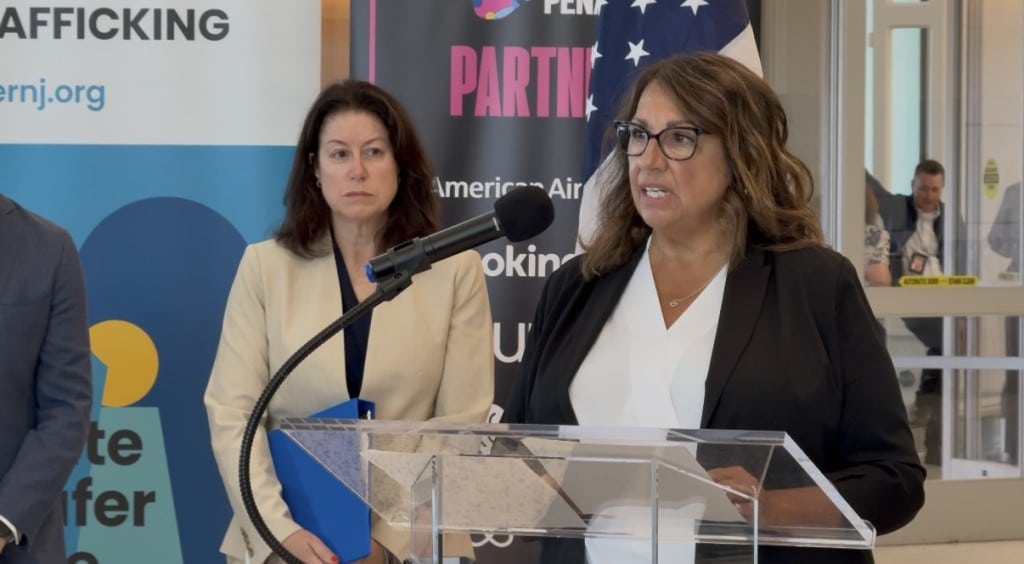
With over one million visitors expected to descend upon the region for the 2026 FIFA World Cup, New Jersey officials are mobilizing to prevent the state from becoming a human trafficking hot zone.
Global prevention group It’s A Penalty is partnering with the state to raise awareness and train workers ahead of the first match.
The organization, for example, has provided Uber drivers with materials to help them identify signs that a person is being trafficked, such as avoiding eye contact, acting fearful, appearing malnourished and not being able to separate from their companions. Local hotels and accommodation providers have also been taught to recognize indicators of exploitation and respond safely.
It’s A Penalty also unveiled a 30-second advertisement at Newark Liberty International Airport on June 1 to reach “millions of passengers,” according to Sarah deCarvalho, founder and CEO of the organization.
“Human trafficking and exploitation do not happen in isolation,” said deCarvalho. “That is why public awareness is so important. Because human trafficking thrives on silence and the belief that nobody is paying attention. This campaign is about changing that. Helping people understand the signs.”
State Attorney General Jennifer Davenport said that local law enforcement will continue to provide dedicated resources to investigate human trafficking reports. She also said that the state government has partnered with service providers to support trafficking survivors.
“The start of the World Cup should be a time of joy and celebration for millions. But there’s no joy, no celebration for victims of human trafficking…It’s a crime, again, whose victims are often hidden in plain sight. Every single victim deserves to be free from fear, free from exploitation, free from pain. And they deserve help and hope that life can be better,” said Davenport.
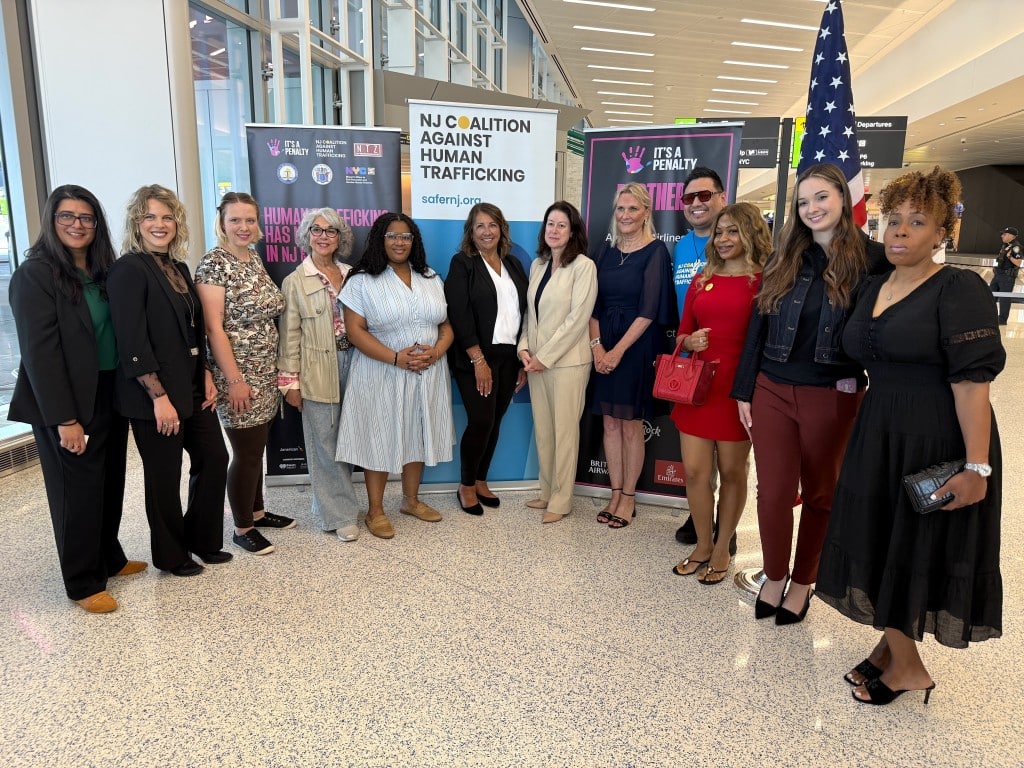
While data for trafficking spikes related to big sporting events is limited, sporting events like the FIFA World Cup are considered a high-risk environment because the large crowds, temporary workers, and stretched local infrastructure make it easier for human traffickers to go unnoticed.
“While sporting events do not cause trafficking, [they] can create conditions that traffickers seek to exploit. That is why preparation, education, vigilance, and partnership are so important,” Alex Lasry, CEO of the FIFA World Cup 2026 NYNJ Host Committee.
FIFA has been criticized by global human rights organizations for failing to ensure the protection of labor rights, migrant workers, women and LGBTQ+ community members for the 2022 World Cup in Qatar.
When speaking with NJ Urban News, deCarvalho said that collaboration is key for host cities to prevent human trafficking during World Cups, and that survivor-informed input must be included.
“It is like a citywide strategy,” said deCarvalho. “And if we’re going to combat and have [an] impact against this crime, we’ve all got to come together.”
Gina Cavallo, survivor consultant and vice president of New Jersey Coalition Against Human Trafficking, said that state leaders are taking a “committed role” in protecting children from human trafficking at the World Cup, compared to previous tournaments. As a survivor of human trafficking, Cavallo said she was “filled with hope” by the efforts in New Jersey.
“I’ve seen in the past that individual leaders have done different things, as far as protections in place. But it was almost like…putting a Band-Aid on the issue, but our leadership, now that’s taking the lead in New Jersey, they’re actively getting in there. They’re digging deep to really clean up the state, to make it a safer state.”
Ultimately, advocates and organizers stressed the importance of collaboration between the communities, survivors, government agencies, sports organizations and corporate partners to promote awareness and safety against human trafficking and exploitation.
“From my lived experience, I can tell you this: people need to know they are seen,” Cavallo said. “They need to know they are believed. They need to know that they are not alone. And we need to know that help exists….If one victim reaches out for help, if one member of the public recognizes the signs of safety and reports a concern, then a scene has been planted, and we have done our job.”
Author

Related Articles

Data Centers In Urban New Jersey
Since 2024, data centers have taken the world by storm. Urban New Jersey is no exception, as multiple town councils have approved data centers in recent years. If your town is considering adding a data center, attending council meetings is the primary way to protest them.
Driverless Cars Could One Day Empower Blind New Jerseyans
New Jersey’s autonomous vehicle proposal could give blind and disabled residents greater independence and improved transportation access.

Controversial NJ Judge Now Overseeing Immigration Cases In Elizabeth
Elizabeth Immigration Court is at the migrant jail where the federal government holds people agents have rounded up under the Trump administration’s mass deportation effort.