
The Shadow of Apartheid Comes to NYC Film Festival
African Diaspora Film Festival brings films on race and representation to Columbia University this Black History Month.
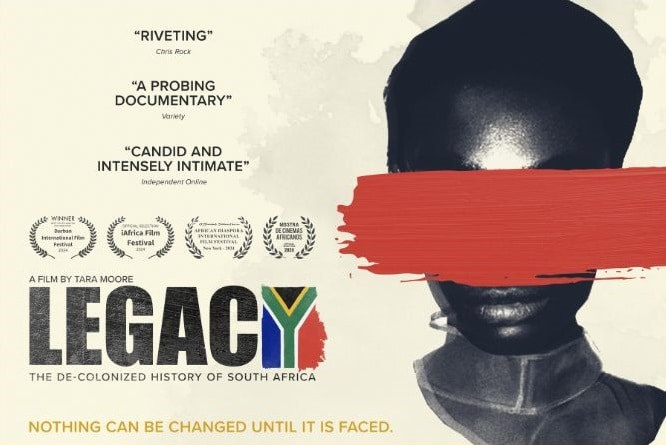
The African Diaspora International Film Festival (ADIFF) is returning to the tri-state area with its Black History Month film series at Teachers College, Columbia University, from Friday, Feb. 27, to Sunday, March 1. The series takes a look at U.S. films that examine African American stories, representation, and connecting domestic struggles to global Black experiences. Film blocks will be spread out across several days of screenings.
While films cover areas such as the power of political engagement and Black images on film and TV in Brazil and the U.S., the series takes a look at South African history with Director Tara Moore’s “Legacy: Apartheid’s Shadow,” on Saturday, Feb. 28, at 8 p.m.
Moore’s documentary reexamines the systemic structures of Apartheid, a system of extreme racial segregation that resulted in White minority rule in South Africa from 1948 to 1994, and the struggle to reclaim a decolonized national identity following its dismantling.
Moore was born in Durban, South Africa in during Apartheid. Her mother, who is of Indian descent and her father of English descent from Canada, were international citizens living in Connecticut at the time. They returned in 1994 when they moved to Stellenbosch and Apartheid was dismantled. Mixed-race marriages weren’t allowed in South Africa before then.
“Sociologically it was interesting being there because here we were as this mixed-race family in a place where this sense of separateness existed,” says Moore. “We were in the heart of where Afrikaner nationalism was born under H.F. Verwoerd, the architect of Apartheid. Living there gave me a better idea of their history but I also made this film as a way to ask ‘have you thought about why we are the way we are’ within the context of that history.”
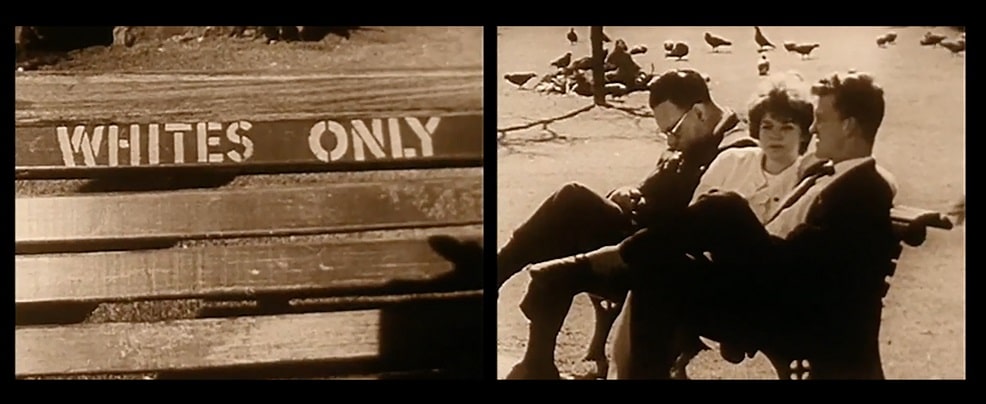
When the system of Apartheid was in effect, nonwhite citizens were forced into slums, denied voting rights, required to carry passports for all travel, and denied equal employment.
“South Africa is one of the most overt systems of racial domination,” says Moore. “You see iterations of that worldwide. You see it here in the states. As a result you’re seeing ways to distance the past and rewrite the books on slavery and whether or not there were benefits to it.”
The film was formerly known as “The Decolonized History of South Africa,” a title which some film festivals still market it as.
“I changed the name from ‘Decolonized’ to ‘Apartheid’s Shadow’ because I felt the word ‘Decolinized’ was becoming too intellectual and causing people to check out,” says Moore. “It’s also triggering to people in the States when it comes to DEI or decolonization. I thought there was a lot of weight on it that wasn’t fair to the film and sort of coloring it before it even started.”
While Apartheid was dismantled in 1994, its shadow, as the title implies, still lingers as South Africa remains one of the most unequal countries in the world. Moore’s documentary film looks at why this shadow still persists, shedding a light on both the systemic and psychological strings that Apartheid holds over South Africa.
Economically, South Africa has the highest inequality in terms of income disparity. A 2022 World Bank report found that the top 10%of South Africa’s population holds more than 80% of the country’s total wealth. Even after the dismantling of Apartheid, that remains unchanged.
“One thing that will always stick out to you is that even though Apartheid has been dismantled, its spatial legacy is very obvious,” says Moore. “Apartheid redistributed every city and town by color. Each city was reorganized not just by Black and White, but into South Africa’s four racial groups: Black, White, Indian, and Colored (mixed-race). Very few people have the economic
ability to move locations. You can take away the laws that were in place during Apartheid, but the architecture is still in place.” Tickets and a program of films being screened can be found online at nyadiff.org. Teachers College, Columbia University, is located at 525 W 120th St., New York, NY.
Related Articles
Newark Symphony Hall Celebrates 100 Years With Massive Restoration Project
New Jersey’s iconic Black-led arts institution is getting a high-tech facelift, including new TV studios and an arts lab by fall.
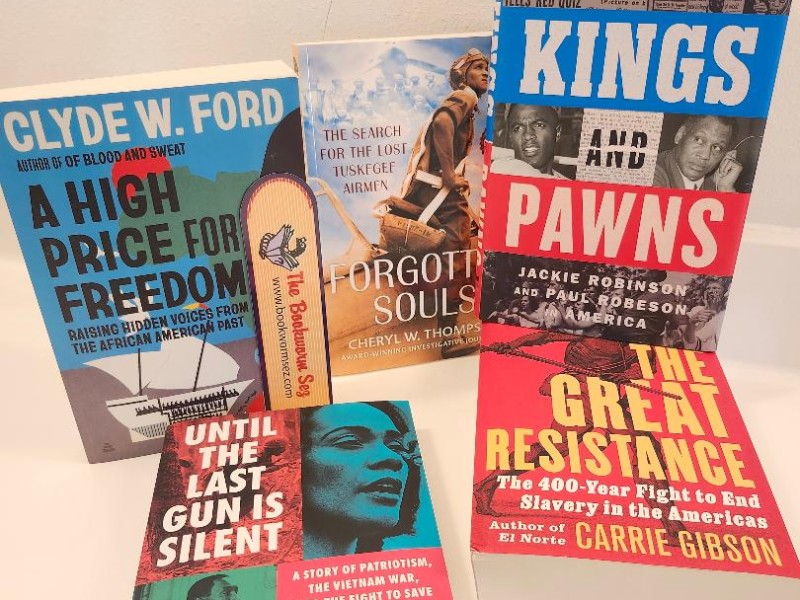
5 Must-Read Black History Books That Go Deeper Than the Headlines
Whether it’s Jackie Robinson’s Cold War legacy or the fight to end slavery, these gripping titles belong on your bookshelf today.
How Trenton Students Used AI To Resurrect Black Revolutionary War Soldiers
Discover the 14 Black soldiers who fought for freedom in Washington’s army at a new exhibit in Princeton.