
How Trenton Students Used AI To Resurrect Black Revolutionary War Soldiers
Discover the 14 Black soldiers who fought for freedom in Washington’s army at a new exhibit in Princeton.
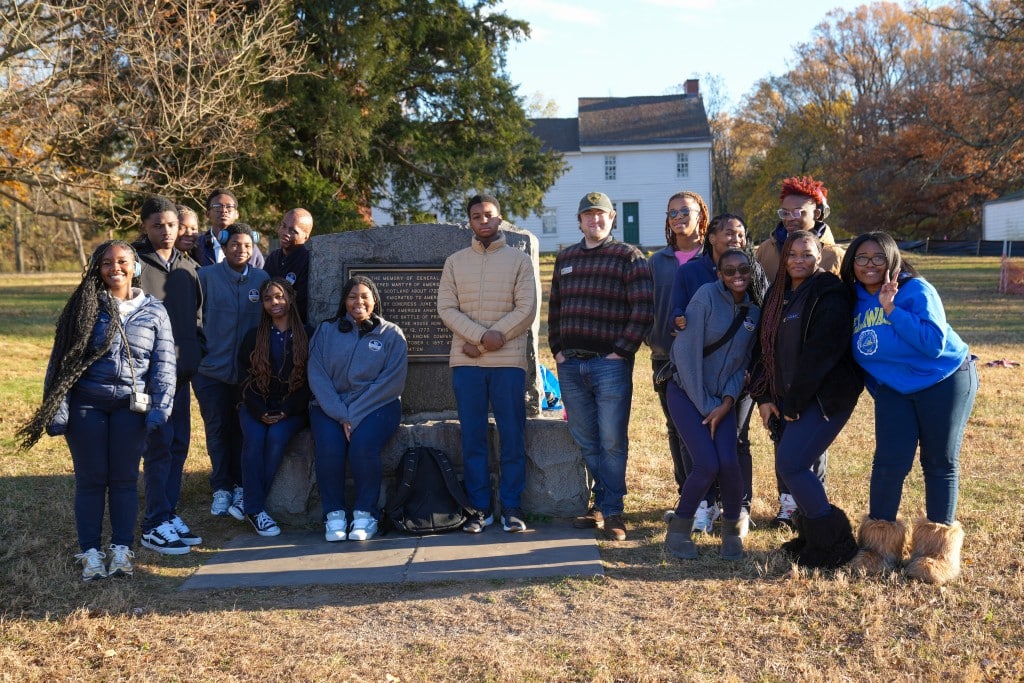
In partnership with the Princeton Battlefield Society, the students at Foundation Academies in Trenton created “Men W/O Shoes,” an exhibit that dives deep into the history of Black soldiers who fought in George Washington’s army during the American Revolution.
The Morven Museum & Garden in Princeton will hold a free opening night reception for this exhibit on Feb. 19 from 5 to 7 p.m. “Men W/O Shoes” will open to the public on Feb. 21, from 10 a.m. to 4 p.m, just months before the 250th anniversary of the Declaration of Independence.

Washington initially banned Black individuals from serving in the army, fearing enslaved men with guns would spark rebellions. However, Washington relented when his army ran low on soldiers, with enslaved Black men taking their owners’ place on the battlefield.
According to the Gloucester County Historical Society, an estimated 5,000 to 8,000 soldiers in Washington’s army and navy were Black. “Men W/O Shoes” highlights the stories of 14 of these soldiers who fought alongside Washington, often barefoot, in the Battles of Trenton and Princeton.
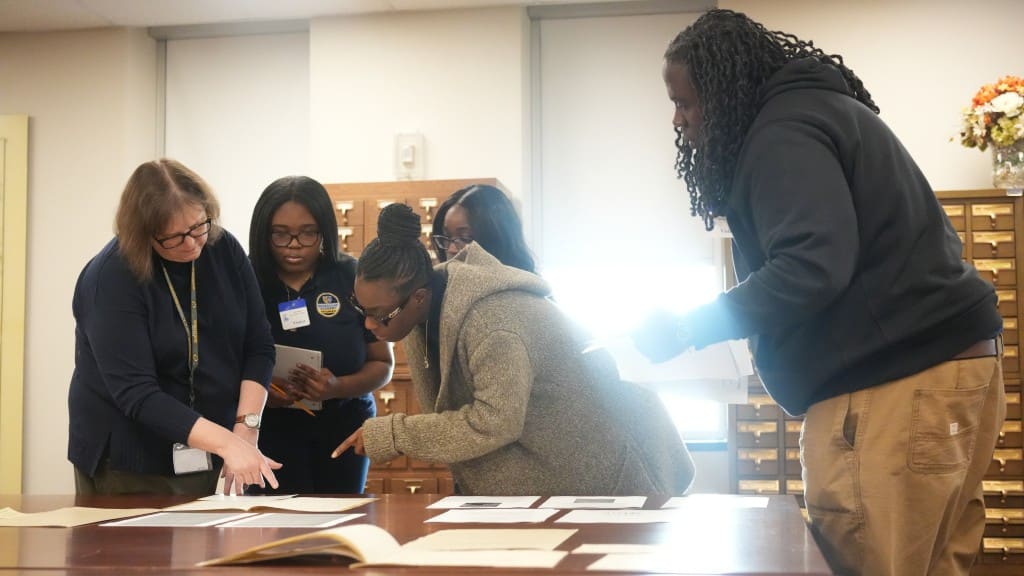
Under the guidance of advisors Earl Wallace and Casey Scott, 30 members of Foundation Academies’ Black Student Union became researchers and historians, gathering information on the men featured in “Men W/O Shoes.”
These soldiers include Charles Ailstock, James Ailstock, Edward “Ned” Bradley, Phillip James, Robert Prince Green, Primus Hall, Job Lathrop, Edward Hopps, Isaac Walker, Peter Jennings, Cato Smith, Jacob Francis, Oliver Cromwell, and Samuel Sutphin.
“We had 14 African American soldiers who fought not for the Declaration of Independence, but for freedom,” said Scott, “and the idea is that they were essential to the fact that we won the war.”
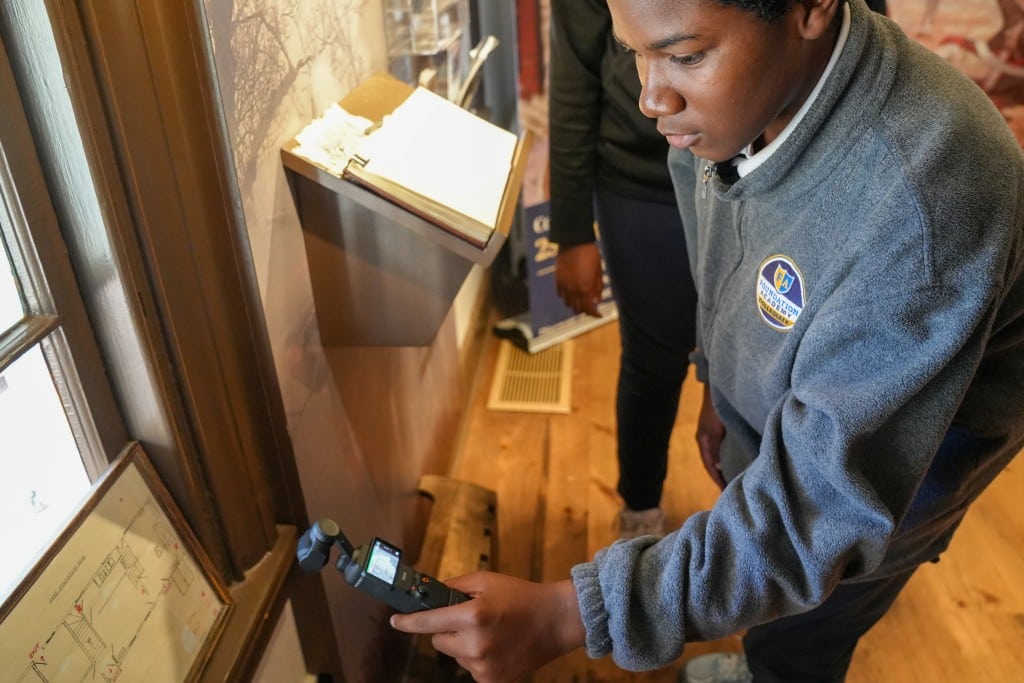
Development of “Men W/O Shoes” took place over a year, with Scott and Wallace hearing the idea for the exhibit from Princeton Battle Society trustee Mark Herr. According to Scott, they chose to have students work on this project so they could “learn about their ancestors and these heroes, these pillars who contributed to American history that are right in their backyards.”
For these students, gathering information about these 18th-century soldiers was challenging. In fact, the 14 men featured in the exhibit were the only soldiers they could identify. However, because photography had not yet been invented, there were no visual records or portraits to draw from.
With the help of Philadelphia visual artist Shaheed Rucker and the Veo 3 AI generator, the students digitally recreated these soldiers and had them deliver monologues in the exhibit. Paying homage to these soldiers, the students gave faces and voices to the men whose lives and sacrifices were all but buried in history.
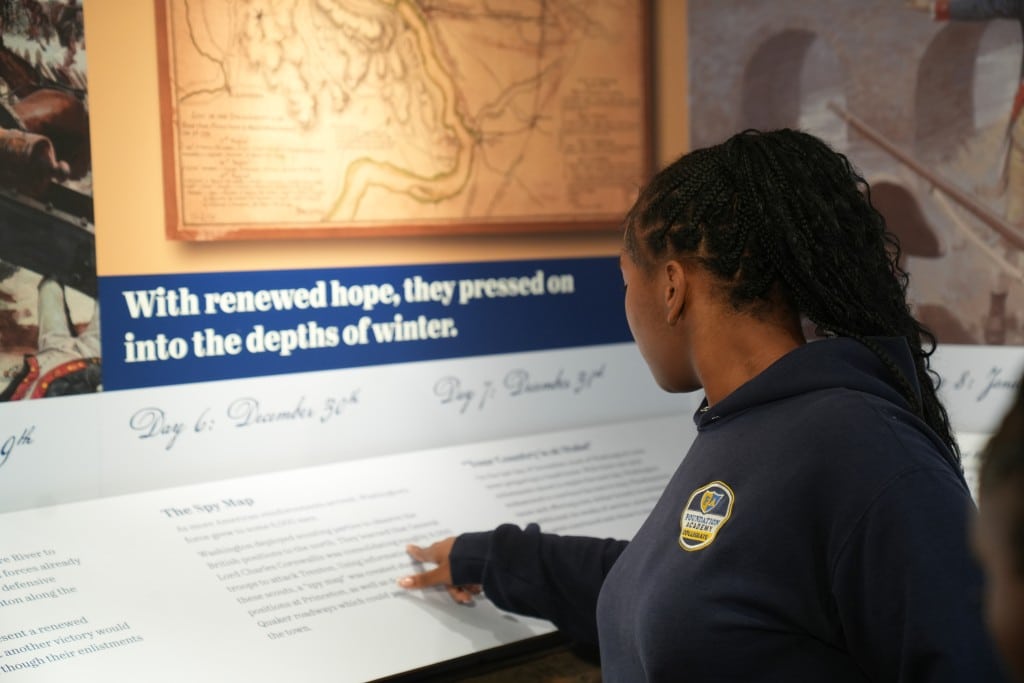
“It was very engaging,” said Elijah Morrissey, a Foundation Academies student. “You learned about more background information based on people you never knew because when you hear about other people like Rosa Parks, Malcolm X, you don’t hear about the people behind them, the people that followed them, the people that also left marks and their place in history.”
“These people, they have contributed to the beginning of the creation of America,” said Richard. “[There] are many African people living today in the present like me…So we gotta really appreciate what the people have done in order to have…this whole foundation set for us.”
While the exhibit will be at Morven Museum for a short time, the plan is for it to reach more people at other museums and libraries. “Men W/O Shoes” will also live on in the Princeton Battlefield Society’s digital archives, allowing other students and teachers to use and learn from it.
“They get to be the authors of their own story without somebody else being the author of their story,” said Scott. “I think that’s super important to allow them to be the ones to tell the story that is so dear to their heart, especially when our history is being ripped out of places and textbooks. So for them to be able to be the ones to authentically tell their stories is super important to us.”
Related Articles
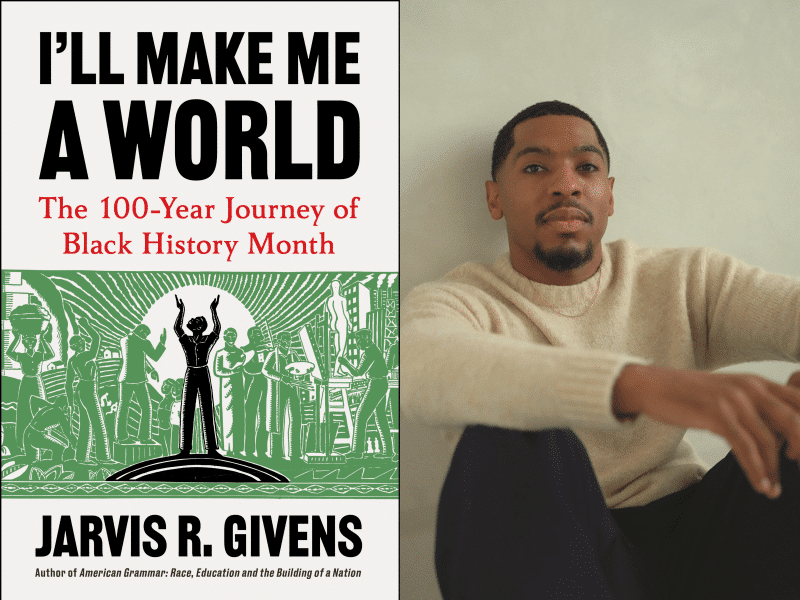
Why the White House Ignored the First Black History Month Request
It took until 1986 for a President to officially recognize Black History Month. Dive into the forgotten origins of the celebration.
Celebrate 100 Years of John Coltrane at NJPAC
NJPAC celebrates the jazz giant’s centennial with modern interpretations of his spiritual masterpieces this spring season.
A Celebration Of Black Joy At Camille A. Brown’s ‘I Am’ In Montclair
See 5-time Tony nominee Camille A. Brown’s ‘I AM’ at the Kasser Theater on Feb. 12. Experience a vibrant celebration of Black joy and triumph.