
NJ Faces $3.6B Medicaid Cut, 350K Risk Losing Health Coverage Under New Bill
Proposed federal cuts to Medicaid and SNAP could put health care and food access at risk for hundreds of thousands of New Jersey residents.
New Jersey residents continue to face uncertainty as the federal government prepares to slash funding for Medicaid and SNAP.
With the passing of President Trump’s Big Beautiful Bill, New Jersey is expected to lose $3.6 billion in federal Medicaid funding. This loss will have a massive impact on New Jersey’s ability to provide medical care to residents and put about 350,000 New Jerseyans at risk of losing their health insurance.
At the same time, the bill has threatened to cut benefits from SNAP, or the Supplemental Nutrition Assistance Program, for roughly 800,000 state residents.
The bill is scheduled to take effect on Nov. 4, 2026, the day after the U.S. midterm elections.
Laura Waddell, the healthcare program director at New Jersey Citizen Action, described the cuts to Medicaid and SNAP as “the most inhumane” and “immoral” acts.
“These are cuts that are the greatest cuts…that our country has ever seen,” said Waddell. “And it’s devastating. It’s going to have devastating impacts throughout our entire healthcare system. And unfortunately, our residents in New Jersey and around the country will be the ones who suffer.”
This dilemma was worsened by the federal government shutdown on Oct. 1. While Medicaid continued to operate during the 43-day shutdown, state residents were unable to receive their monthly SNAP benefits on Nov. 1, and they weren’t restored until Nov. 7.
“We got SNAP back up and running, but literally, families went days without food,” said U.S. Rep. LaMonica McIver (D-10th). “And still to this day, even people who get SNAP benefits don’t get enough. People are still struggling… They’re going to work every day, still not able to buy food, still not able to get health insurance, still not able to pay the high rate that is in this country, specifically here in [New] Jersey.”
McIver joined Essex County Commissioner Brendan Gill (D) for a town hall meeting in Montclair on Nov. 26. There, the public shared their questions and concerns regarding their healthcare and food safety.
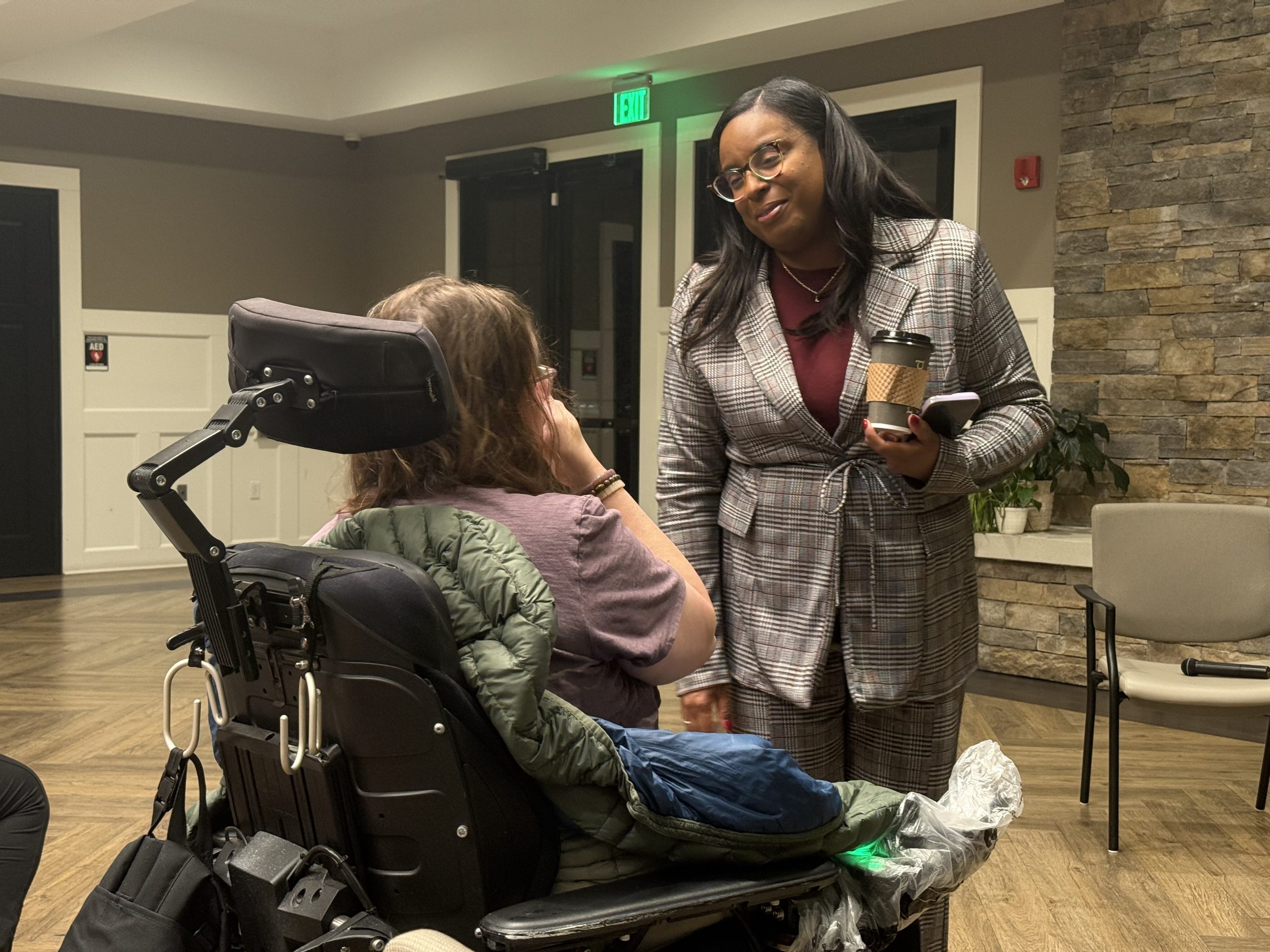
Colleen Roach, the chair of the New Jersey State Independent Living Council, described these cuts as a “matter of life and death.”
“Nobody should be struggling to find healthcare or deciding between whether or not they’re going to pay medical bills or eat,’ said Roach. “We are the richest nation in the world. It’s unconscionable.”
Around 1.8 million people in New Jersey are enrolled in Medicaid, also known as NJ FamilyCare. Whaddell claims that 29-30% of New Jerseyans are in the ACA expansion population, whose incomes are between $1,300 and $1,800, below the federal poverty level, and have received Medicaid coverage. According to her, this population will be targeted by the upcoming Medicaid changes as they build up over time.
While cuts to reproductive health funding took effect on July 4, caps on new provider taxes will take effect on Oct. 1, 2026. Restrictions will be placed on the definition of “qualified immigrant status.” Work requirements for Medicaid will also be implemented on Jan. 1, 2027, with $35 co-pays being required on Oct. 1, 2028.
In addition, Medicaid funding cuts in New Jersey will include about $300 million in hospital funds. Health centers where state residents go for primary care may not be able to remain open without adequate funding.
“If folks think that if they’re not enrolled in Medicaid, if they’re not enrolled in Medicare, if they’re not enrolled in New Jersey, in [the] ACA plan, that they are not going to be impacted, I would say that they are incorrect because of all of this that’s happening…and so these drastic cuts are impacting all of us, not just certain populations. It will impact all of us,” said McIver.
Meanwhile, almost 9% of New Jersey’s population received SNAP benefits in 2024, with each person receiving an average of $194 per month. Almost half of these 800,000 New Jerseyans are children, with nearly one-third of them living with disabilities and one-fifth being over the age of 60.
New federal regulations will require people to be employed or volunteering to receive SNAP benefits. Specifically, new requirements state that adults under 65 must prove they work at least 80 hours per month, are pursuing an education, or are in a training program to keep receiving SNAP support.
Veterans, individuals experiencing homelessness, and young adults transitioning out of foster care will no longer be exempt from SNAP work requirements. Parents with dependents can receive exemptions only if the dependent is under 14.
The cuts will also severely impact immigrant communities, as Green Card holders will have to wait five years to receive SNAP. Even refugees, asylum recipients, and human trafficking survivors will lose SNAP benefits.
Nicole Davis, executive director of The Center for Food Action, anticipates seeing more guests at her nonprofit’s locations as SNAP cuts leave them without food.
“People who are on SNAP are low-income, and they are working to keep their lives afloat…” said Davis. “So it’s a great impact to take money away from people who need [it] to purchase food.”
Major Medicaid and SNAP cuts and regulations will take effect within the next few years. New Jersey residents and advocates emphasized that public health and livelihoods are now at risk as the federal government plans to restrict access to essential resources.
“Both healthcare and food are life-sustaining things, and any cuts to either impacts the health and well-being of the person or their families. And so to make cuts to either is just unimaginable,” said Whaddell.
Related Articles


New Jersey Named 2nd Most Expensive State To Give Birth
New Jersey families pay thousands more for childbirth than neighbors in PA and Delaware—but the state also offers free services to help bridge the gap.

Trump Required Hospitals To Post Their Prices for Patients. Mostly It’s the Industry Using the Data.
Price transparency rules haven’t helped patients shop for care, with insurers and hospitals using the data instead for negotiations.