
Youth Vote Set To Be Critical For November’s Gubernatorial Election
Young New Jersey voters want real action on housing, climate, and rights as the 2025 governor’s race kicks off.
With the June primary officially behind us, New Jersey’s 2025 gubernatorial race is set. Democratic Congresswoman Mikie Sherrill will face off against Republican former Assemblyman Jack Ciattarelli this November. As the race enters its next phase, one growing group is watching closely: young voters.
From skyrocketing rent to reproductive rights, Gen Z and millennial voters are pushing back on the perception that they’re disengaged from politics. They’re not tuning out, they’re tuning in and calling for candidates to address them directly. While some feel distanced from traditional political systems, many are deeply involved in civic conversations and grassroots advocacy around the issues that affect their lives most.
“Young people are deeply engaged, just not always in the ways campaigns expect,” said Dillon St. Bernard, a youth civic engagement strategist. “They’re not looking for surface-level messaging. They want depth, action, and year-round conversations about the issues they live with every day.”
St. Bernard explained that young people care about intersectional issues — climate, immigration, racial justice, and affordability — and want leaders who understand how those areas connect. However, campaigns often wait until the final weeks to reach out, treating young voters as an afterthought.
“We need always-on engagement,” he said. “Digital storytelling, real conversations, and showing up where young people already are, both online and in their communities.”
Voters between the ages of 18-29 make up an increasingly influential part of New Jersey’s electorate. According to the Center for Information & Research on Civic Learning and Engagement (CIRCLE) at Tufts University, this age group represented 15% of New Jersey’s electorate in 2020. Turnout among this age group hit 67% that year, the highest nationwide. Most young voters get their news from digital platforms like Instagram, TikTok, and YouTube rather than traditional outlets.
Many are a part of Gen Z, the most racially and ethnically diverse generation in U.S. history, and grew up during a time of various political and social issues. From the rise of school shootings and climate disasters to the COVID-19 pandemic and the explosion of online activism, these events have shaped their views and how they engage with politics.
Survey responses from young New Jersey voters reinforce that point. In a small sample, respondents listed cost of living, immigration policy, and reproductive rights as their top priorities. Several called out housing prices specifically, noting that the state’s affordability crisis is pushing many young adults out of cities they grew up in.
“I’d like to see better rights and policies supporting immigrants who are trying to become documented, and more affordability for the lower-middle class population,” said Immanuel of Monmouth County, one of the survey participants.
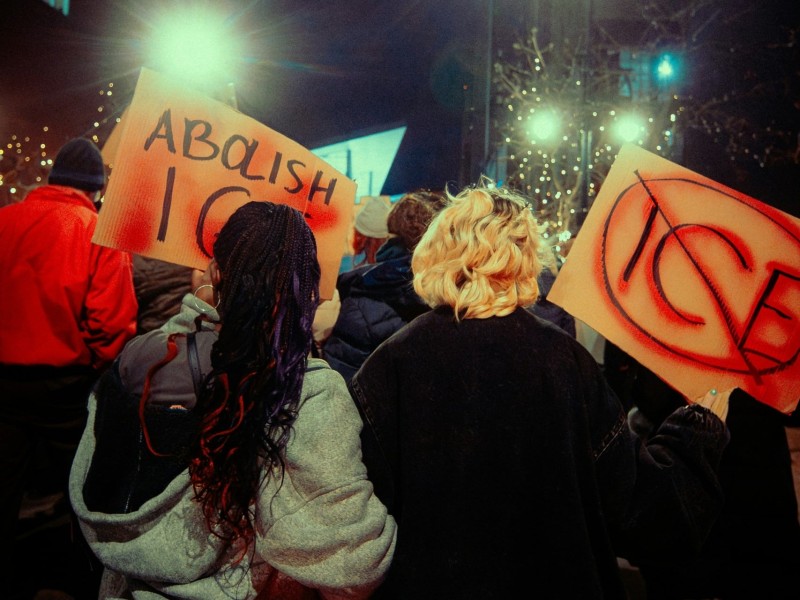
Others mentioned job opportunities, the cost of food, ICE raids, and concern over the rollback of reproductive rights nationally, issues that have direct implications for state-level leadership.
Still, even with a passion for these topics, many young voters feel disconnected from traditional politics. Some said they don’t feel educated enough to vote confidently, while others feel ignored altogether.
“They’re not tapping into younger audiences, especially younger audiences of color,” one participant said. “We’re not really educated on what’s going on.”
St. Bernard said that the solution isn’t just voter registration drives in the fall, it’s a fundamental shift in how campaigns treat youth participation.
“Youth voice isn’t a nice-to-have — it’s a must-have,” he said. “That means hiring young people, listening to them, and empowering them to lead.”
Now, with Sherrill and Ciattarelli officially on the ballot, both campaigns face a key question: Will they take this generation seriously?
Ciattarelli, a more traditional conservative, is emphasizing tax relief, school choice, and opposition to what he calls “progressive overreach.” His previous campaign drew criticism from younger voters for being out of touch on LGBTQ+ rights and immigration. His current platform emphasizes school choice and traditional conservative values, but it remains unclear whether his team will actively target younger voters. The Ciattarelli campaign did not respond to a request for comment.
Sherrill, a moderate Democrat and former Navy helicopter pilot, has built her platform around expanding reproductive healthcare access and environmental protections — two issues that frequently rank high among Gen Z and millennial voters.
In an emailed statement, a spokesperson for Sherrill’s campaign said her platform is built on addressing the issues that “keep New Jerseyans up at night,” particularly the cost of living. As governor, Sherrill plans to increase housing availability, crack down on landlord abuse and expand first-time homebuyer programs.
She also plans to invest in renewable energy to lower utility costs and fight climate change, pointing to endorsements from environmental advocacy groups like the League of Conservation Voters and the Sierra Club. The campaign emphasized Sherrill’s efforts to connect with voters through non-traditional platforms such as podcasts and social media, saying, “It’s an area to have more in-depth discussions, but also have a little fun, even while discussing some big issues.”
“We want to hear from you,” the statement continued. “If you’ve got an online community, please reach out to Team Mikie.”
Whether either candidate can capture the attention — and trust — of younger voters may depend less on their platforms and more on their approach.
“Meet them where they are,” said St. Bernard. “Not just in ads, but in their group chats, on their campuses, and in real conversations. Don’t expect them to come to you.”
As for those who feel their vote doesn’t matter, St. Bernard said it’s important for people to realize that voting is “one of the many tools we have to create change.”
“It’s not the only answer, but it’s one we can all take. And it’s the first step toward turning values into policy,” he said.
For many young voters, the choice in November may come down to one question: who’s actually listening?
Related Articles

In Rare Bipartisan Burst, Congress Close To Historic Housing Law
With the nation short millions of residential units, bill may stall because Trump says he’ll sign nothing unless voting curbs are passed
One Of New Jersey’s Most Important Times of the Year
The state budget determines how New Jersey residents will commute, what taxes they’ll pay, and more.