
Seton Hall Hosts Conversations On Race And DEI
In the wake of the second Trump Administration, South Orange and Maplewood’s Community Coalition on Race addressed the growing backlash against DEI efforts and their effects on the residents of New Jersey and beyond. This discussion took place at the Coalition’s annual Conversations on Race event at Bethany Hall, Seton Hall University.
“For nearly 20 years, we’ve fostered these conversations because we believe that talking about race is essential to understanding one another, building relationships across racial and cultural divides, and strengthening our community,” said Coalition Executive Director Nancy Gagnier. “Now, as DEI initiatives face legislative rollbacks, funding cuts, and public pushback, these discussions are more urgent than ever.”
For 2025’s Conversations on Race, the Coalition hosted a panel featuring speakers Lori A. Brown, J.D., Seton Hall’s Chief Equity, Diversity & Compliance Officer; Dean Dafis, the Director of Housing & Community Resources at the New Jersey Department of Community Affairs; NJ Assembly person Garnet R. Hall; Olivia Lewis-Chang, a South Orange Township Committee member; and Kerri Waibel, the Director of Data, Planning, Research, and Evaluation in the South Orange/Maplewood School District.
The panel was moderated by Robert A. Marchman, Senior Policy Advisor for Diversity and Inclusion at the U.S. Securities and Exchange Commission and one of the Coalition’s founding members.
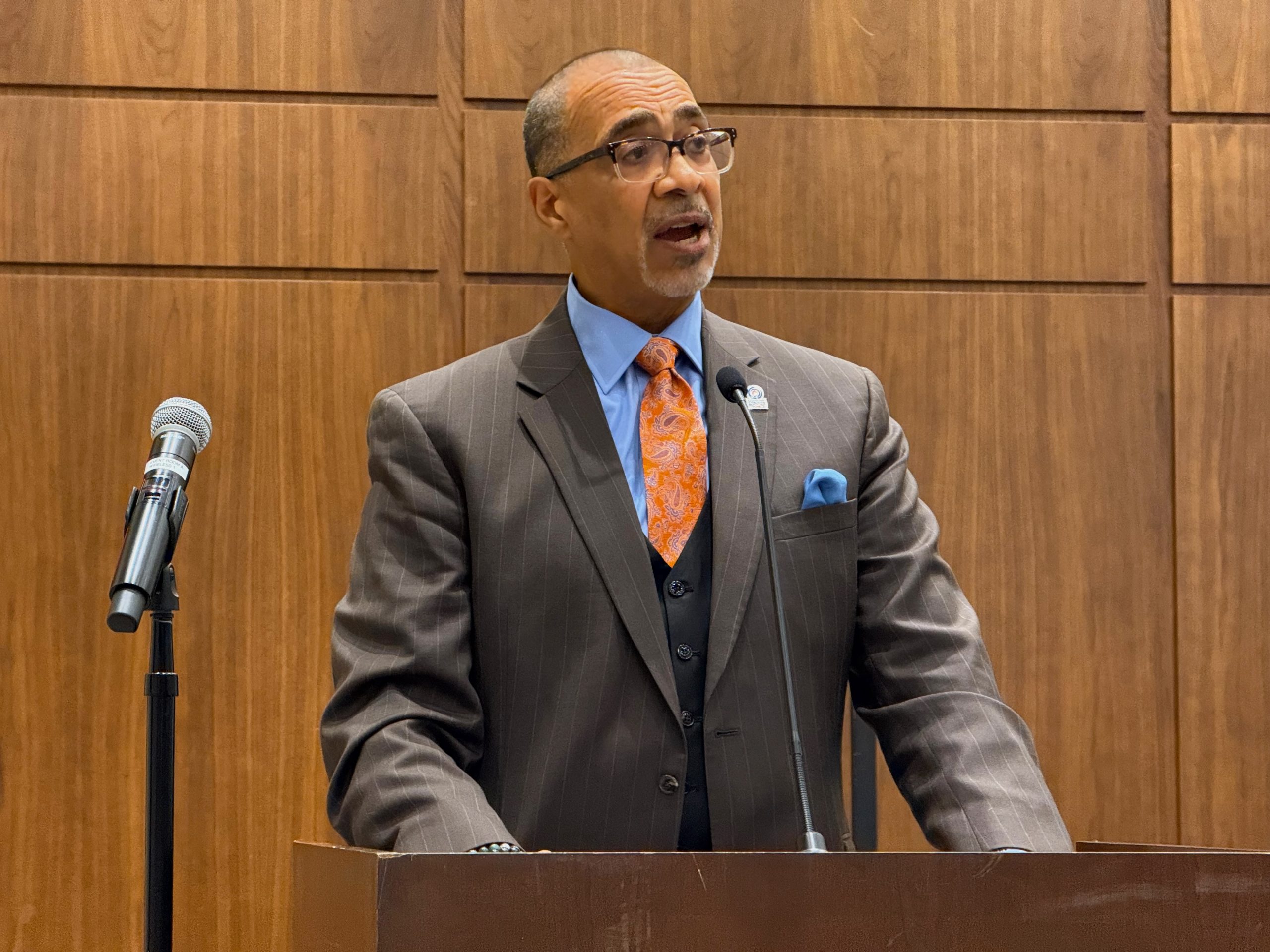
When discussing the recent backlash against racial equity policies, the panelists acknowledged that legislators have grown to accept anti-DEI rhetoric, claiming that the latter have become increasingly hesitant to support progressive bills.
“Attacking DEI is dismantling empathy itself,” said Dafis. “The idea is to get people to accept that not everyone is worthy of inclusion or opportunity, that it is weak to help those who are less fortunate or those who are more vulnerable.”
One of the key themes of the Coalition’s conversation was the Administration’s harmful effects on people’s mental health. Specifically, Olivia Lewis-Chang discussed the negative psychological impact that the Trump Administration’s actions will have on the immigrant population due to their living under the threat of separation, deportation, and imprisonment.
Lewis-Chang even argued that there would be a rising number of people with mental illness under the second Trump Administration due to a growing sense of fear and uncertainty about what is true, the latter resulting from widespread misinformation from the news and government.
She also argued that the Trump Administration’s fear-inducing actions and policies will affect not just marginalized and immigrant communities, but white citizens as well. With the attempts to slash federal funding to health care, people will have limited access to resources to treat psychological issues such as substance abuse disorders.
Likewise, Kerri Waibel discussed the psychological effects of schools removing curriculum and restricting education, which prevents non-White students from learning about people whose race, religion, or background aligns with theirs.
Lori Brown also mentioned how parents are now debating whether to send their kids to a red or blue state, unsure of where they would be safe.
Both arguments emphasize the challenges students encounter in attending a school where they feel a sense of belonging, contributing to the fear and loneliness that are detrimental to their health.
“When you’re talking about a kid not belonging, that’s a mental health crisis,” said Waibel. “That increases depression, anxiety, suicidality. These are the things keeping us up at night.”
The panel also expressed fears that without DEI in colleges and universities, all students wouldn’t have the opportunities and supportive resources that they need to go on to live happy, successful lives. Brown urged schools to stick to their mission to support these students by offering diversity, equity, and inclusivity, despite political pressures.
“When people think about DEI, to me, it’s really about humanity,” she said. “It’s about doing the right thing. It’s about bringing people who would not ordinarily have a seat at the table. It’s about people who have different perceptions and different ideas. And when you have a student body that’s diverse, it makes a world of difference.”
On that note, Marchman stressed the need to provide more diverse figures with greater education and work opportunities because they will achieve what the world needs from them. As an example, Marchman cited Dr. Kizzmekia Corbett, the Black scientist who was instrumental in developing the Moderna COVID-19 vaccine during the pandemic.
Overall, this conversation on race highlighted what is at stake under the new Trump administration regarding public health, education, and employment opportunities. As fear and confusion seem to have dominated the narrative surrounding DEI, the panel questioned whether communities can withstand these DEI rollbacks.
In answering this question, Lewis-Chang stated that communities can do so if they understand that DEI is actually “DEIB,” with “B” standing for “belonging.”
Related Articles

NJ Supreme Court Won’t Weigh In Yet On School Segregation Case
A group of parents and advocacy groups first claimed in 2018 that New Jersey schools are impermissibly segregated. The case is now before the appellate division.