
New Jersey Goes Green For Hackensack River Nation Summit
As New Jersey celebrated Earth Day, Fairleigh Dickinson University promoted environmental awareness with a Summit centered around protecting the state’s historic Hackensack River.
According to the Meadowlands Environmental Research Institute, the Hackensack River flows from Rockland County, New York, through the Meadowlands, all the way into Newark Bay at Kearny Point.
The Hackensack River reaches several municipalities in Bergen and Hudson Counties, including Oradell, Haworth, Emerson, New Milford, Hackensack, River Edge, Bogota, Teaneck, Ridgefield Park, Little Ferry, North Bergen, Secaucus, and Jersey City.
Since this river connects so many communities, its health and stability have been hot topics for many concerned New Jerseyans. This concern was evident by the turnout of the Summit, which is the first of its kind since the Hackensack River Nation’s founding in 2024.
Fairleigh Dickinson welcomed multiple state leaders, including U.S. Representative Rob Menendez, and dozens of professionals invested in protecting the environment and maintaining the Hackensack River. Among them was Jaclyn Langella, a member of Jersey Water Works, who attended the Summit on her own accord as a New Jerseyan concerned about the quality of her community’s water.
“I care about my community, and I want to, on a personal level, get more involved with what’s going on in my community…,” said Langella.
The Summit also featured a keynote address by Captain Bill Sheehan, the founder of Hackensack Riverkeeper. Since founding his nonprofit in 1997, Sheehan has dedicated almost 30 years of his life to protecting, preserving, and restoring the Hackensack River, along which he grew up as a child.
As Sheehan broke down the state of the Hackensack River, he showcased the significant achievements he and his organization had made in cleaning and restoring it. These accomplishments include helping preserve thousands of acres in the Meadowlands and the land upriver.
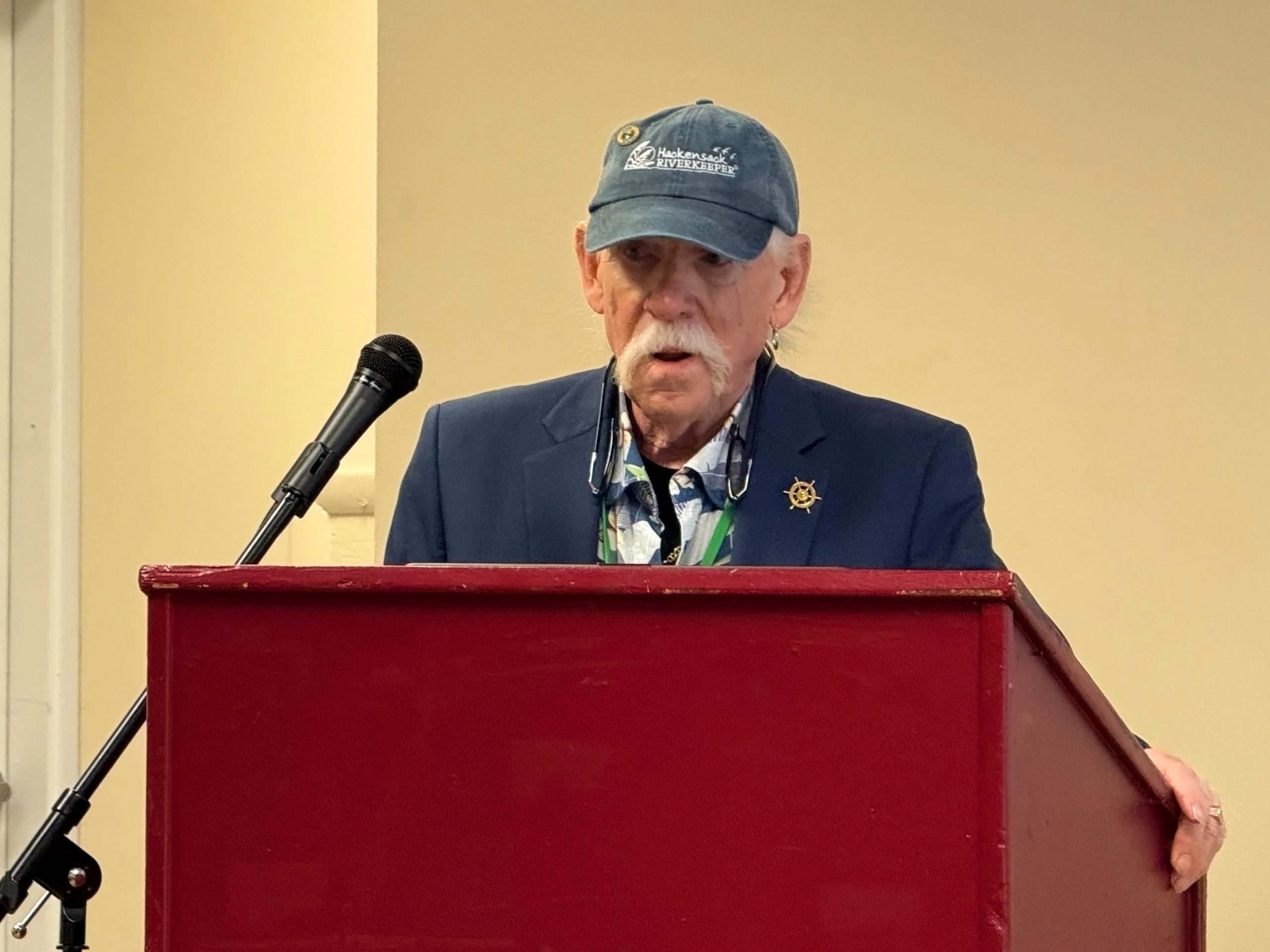
Likewise, Sheehan raised environmental awareness amongst youth groups with educational eco-cruises and set up exciting kayaking and canoeing programs. He even helped clean and transform areas contaminated by landfills and industrial waste, including the inactive PJP Landfill and the new Bayfront community in Bayonne.
Throughout the rest of the summit, attendees participated in multiple informative and interactive workshops. The first of these focused on preparing better watershed improvement plans for their municipalities.
Workshop leaders also encouraged them to develop such plans with neighboring communities and local environmental groups. This discussion added to the Summit’s emphasis on increasing community engagement in environmental issues in New Jersey.
With the Trump Administration cutting environmental funding, organizations like MSQ Construction and Development Group, LLC, have struggled with their work developing more green infrastructure in New Jersey. Thus, their presence at the Summit was especially crucial, as they informed more people of their cause and its challenges to ignite the public’s interest.
“Green infrastructure offers many opportunities, but nowadays, there are probably more challenges than opportunities due to the current administration,” said Andre’ Masud, MSQ’s Owner. “But the opportunities… there’s the initiative in Newark and Paterson to do forestation. They’re going to plant thousands of trees in these two cities. We already started that in the South Ward. I was personally involved in it as a project manager.”
Environmental protection has faced many challenges lately, but the Summit highlighted the importance of educating and engaging the public on the issue, especially at a young age.
For example, the Northern New Jersey Community Foundation discussed their partnership with Hackensack High School to install a rain garden on school grounds, reducing rainwater runoff and preventing waterway pollution.
Designed by Dave Chalek of Sprout Farms in Teaneck, the rain garden was planted by enthusiastic Hackensack High School students. They continue to clean and maintain it as their understanding and interest in environmental science grow.
“I think the kids feel really proud of it…,” said Pedra Del Vechio, the Hackensack teacher who oversaw the rain garden’s development. “I know during the project, some of the kids were expressing things that they didn’t even know should be in our ecosystem, and now they are, so they’re paying more attention.”
The Summit wrapped up with a workshop on the Hackensack River Superfund site cleanup overseen by the U.S. Environmental Protection Agency. The Lower Hackensack River is still in the early stages of its cleanup. However, EPA members received input from Summit attendees so they can move forward and satisfy the public’s needs, ensuring the community’s engagement in the Hackensack River’s future.
“Community engagement is a really big part of our site…,” said EPA Superfund Program Chief Michael Sivak, “we expect the public to be very involved as we move forward with this project.”
Author

Related Articles

Sherrill Targets Data Centers’ Potential To Do Good For Communities
Supplying own power sources and providing for local needs are included in plan to regulate booming industry

NJ Big Data Conference Explores Potential And Pitfalls Of AI
The gathering of tech industry and academic leaders focused on the challenges of making artificial intelligence “accessible and sustainable.”

Roxbury Ice Detention Center On Hold For Environmental Review
‘Best outcome,’ says attorney for opponents as Homeland Security promises to limit site work to security and maintenance