
Politics and Identity at the Outsider Art and Affordable Art Fairs
BY SOULEO NJ Urban News
As President Trump’s authoritarian actions set its sights on the world of culture, two art fairs in New York City featured artists whose works courageously addressed issues of politics and identity.
At last month’s Outsider Art Fair, one of the most obviously political works was a dramatic quilt created by Della Wells and Anne-Marie Grgich with Sandy Jo Combes titled Remember Sister, We Sisters are Married to Truth and Freedom, Not Married to Fear and Lies.
The piece, almost ten feet high, was created in the months before the presidential election. Repurposing an American flag serves as an allegory for a discontented society under Trump’s rule.
“The work shows an unhappy bride who is forced to marry this rooster creature,” shared Debra Brehmer, director of the Portrait Society Gallery of Contemporary Art. “It’s about the way the citizens of the U.S. are forced into a relationship with a leader we disagree with and who might even be dangerous to us.” The work also includes images of historical Black women such as Sojourner Truth, Recy Taylor, and Ida B. Wells. For the artists and Brehmer, including such figures speaks to how art can amplify marginalized histories, ones that the Trump administration’s crackdown on D.E.I. may imperil. “We know now Trump is telling schools they shouldn’t teach Black and native histories,” said Brehmer. “And we need art because we can keep things visible in the art world. So far, I don’t know if he can control it. He can certainly cut funding, but we’ll find a way.”
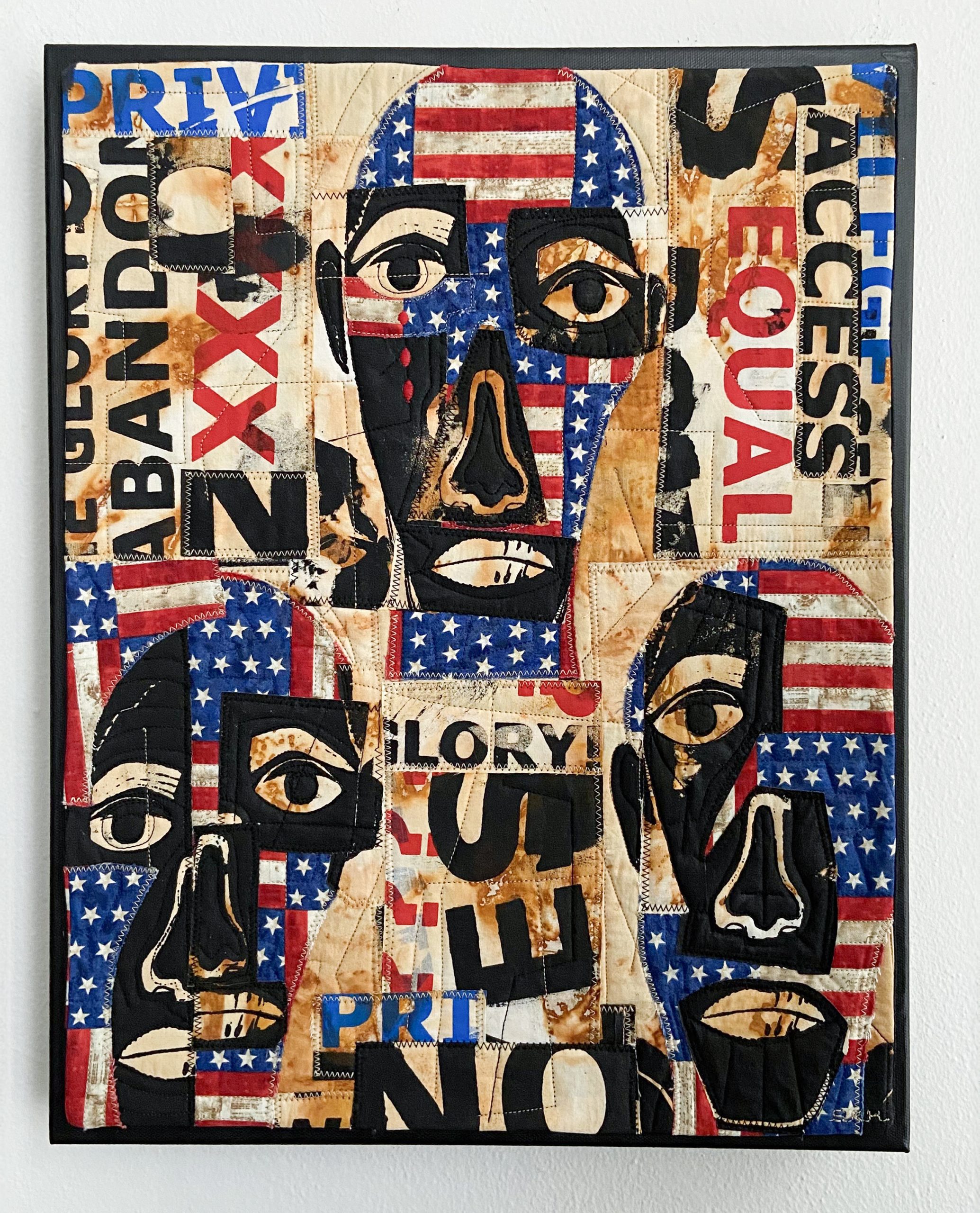
At the Claire Oliver Gallery booth, the work Detritus from a Protest March by Sharon Kerry-Harlan continued the theme of addressing social and political issues. Describing the piece, the gallery’s namesake director shared in an email that the artist is one “…who takes her role as a social justice advocate very seriously. Her work speaks to her own experiences as a Black woman. Sharon repurposes objects acquired from those places that have seen injustice and gives them a new, uplifted role. For example, in Detritus from a Protest March, the artist repurposes content she collected during a protest march in Minneapolis seeking justice for George Floyd.” The reference to Floyd speaks to the issue of police brutality, one that remains of concern, especially as a Trump executive order removed a police misconduct database.
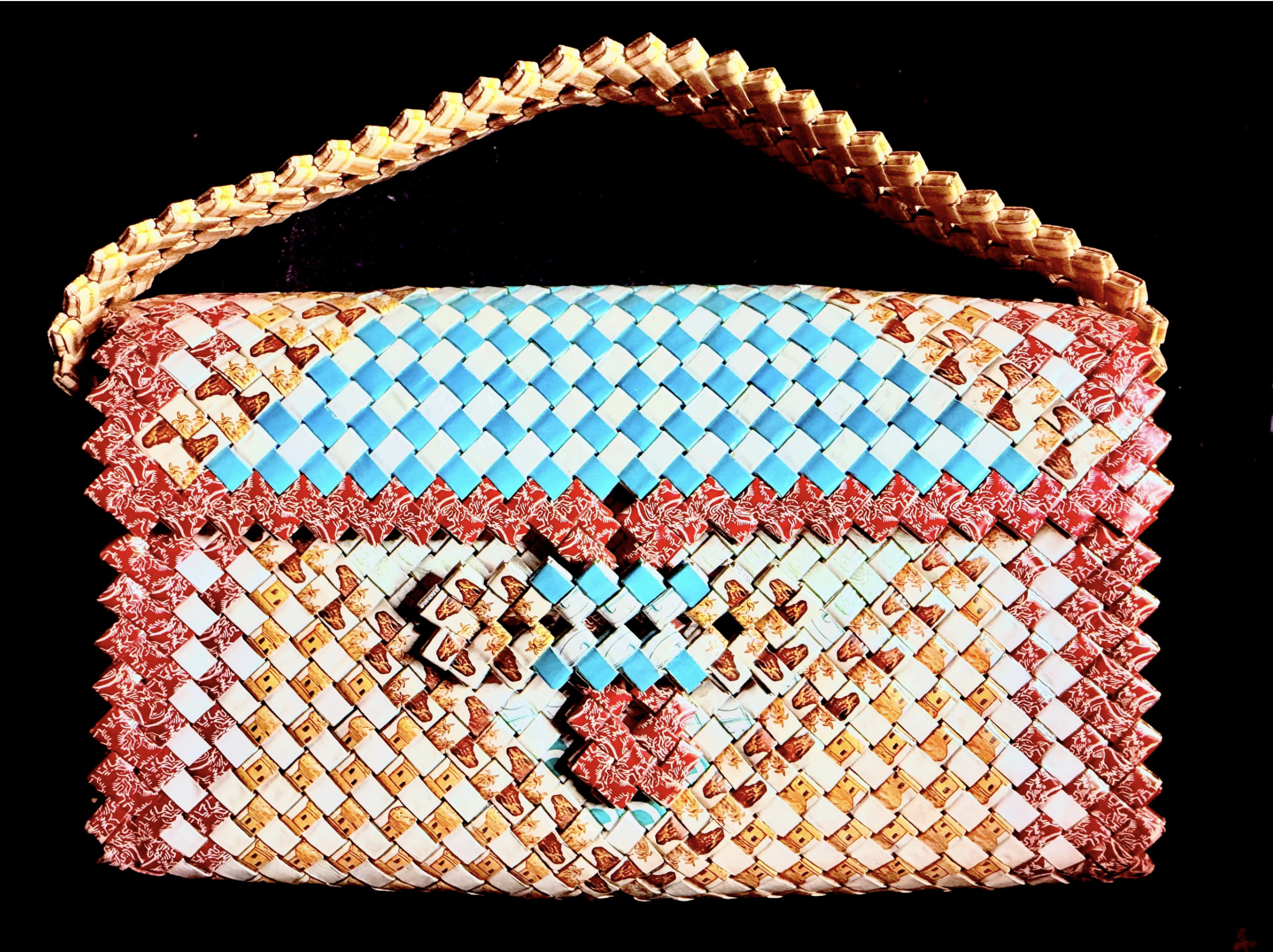
Similarly calling attention to the injustices of the criminal justice system was the Cell Solace Collection’s display of fashion accessories, jewelry boxes, and artifacts made by inmates in U.S. prisons from the 1920s to the 1980s. “I want to especially highlight the forgotten prisoners from government experiments with vaccinations on prisoners, those who were racially profiled, and beaten down or even shot by prison guards for non-violence,” said Antonio N. Inniss, curator of the collection. “I hope that people can have a chance to see and learn the history of the weavers, who actually weaved images with cigarette packages and magazines, for the most part.”
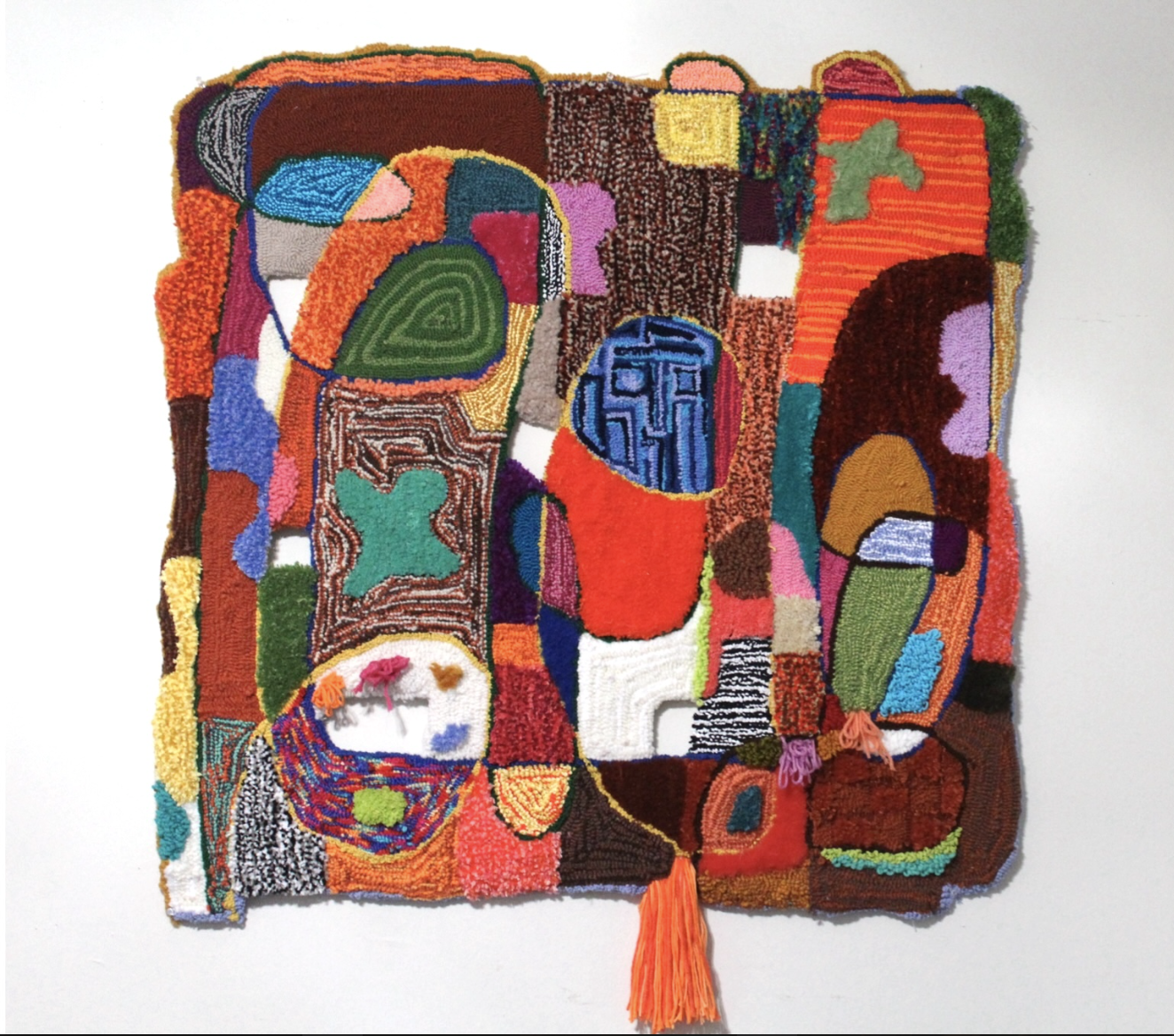
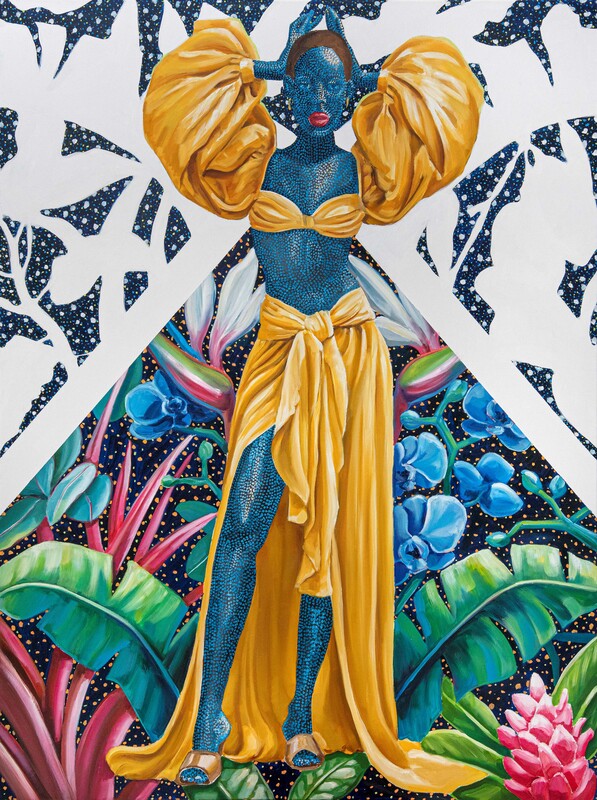
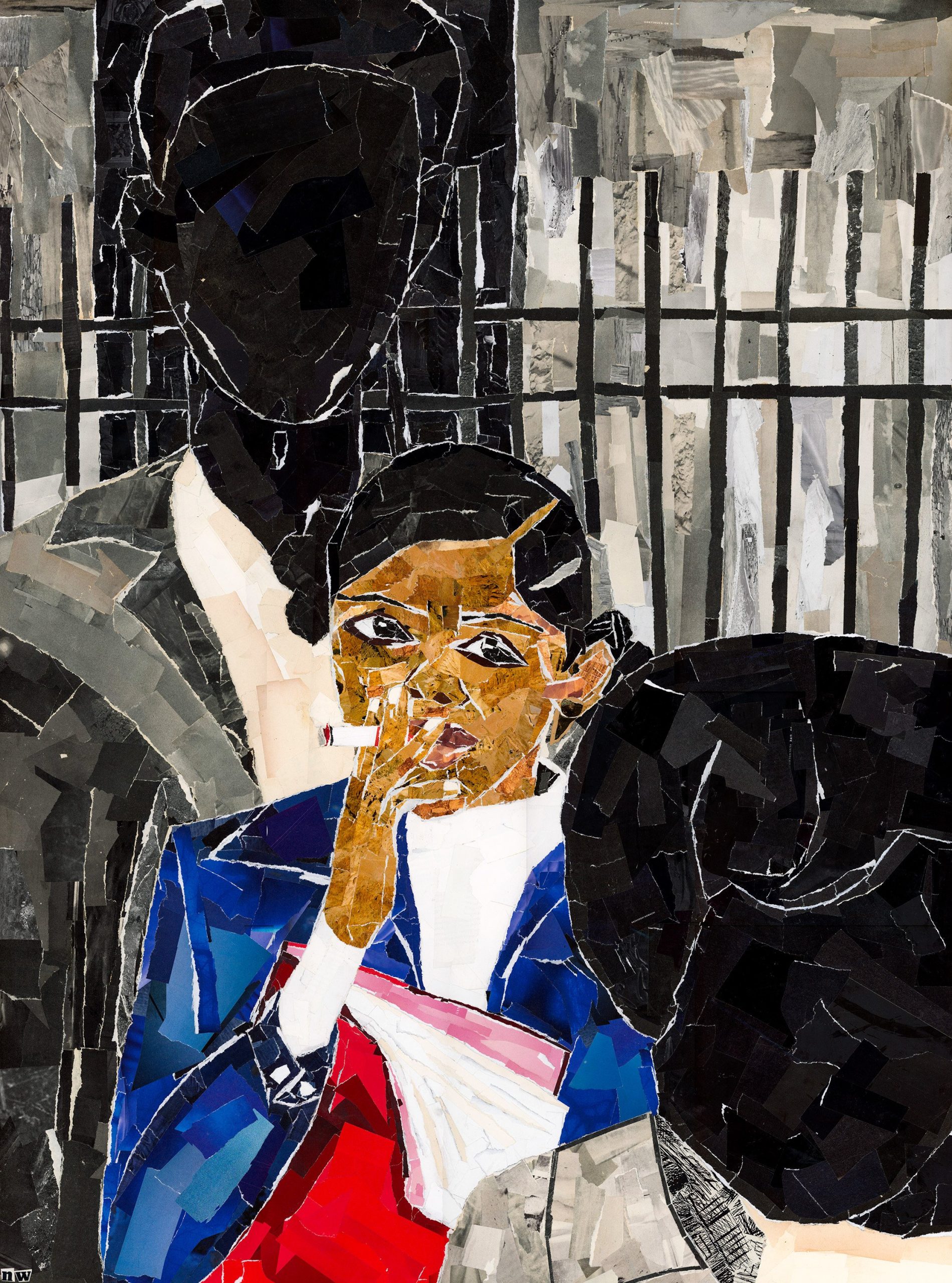
Meanwhile, at the Affordable Art Fair, identity was a central focus in the SHEER booth, which featured works about the Black and LGBTQ+ experience. SHEER’s founder and curator, Bianca Jean-Pierre, selected the artists Asari Aibangbee, Alanis Forde, and Nia Winslow, who each explored a different facet of identity. Aibangbee’s fiber art is about celebrating Black women, trans women, and femme-identified individuals; Forde’s paintings and collages explore the realities of living in a paradise (Barbados); and Winslow’s collages depict current and past everyday Black life for Jean-Pierre, spaces such as the Affordable Art Fair help to democratize the art world.
“What I love about this fair is that it’s very accessible,” she said. “It’s a very friendly environment. So many can come in and meet the artists and learn about the work. It’s not this gatekeeper, pretentious experience. It’s meant to feel like it’s for everyone. It’s important to help break those barriers down.”
That sentiment encapsulates the importance of both fairs: using art to bring people together to reflect on politics and identity.
The column, On the “A” w/Souleo, covers the arts, culture, entertainment, party, and philanthropy scene in Harlem and beyond and is written by Souleo.
Related Articles

Newark’s Michael B. Jordan: From Brick City to Oscar Gold
Mayor Ras Baraka and Newark Arts High School celebrate as the ‘Sinners’ star joins an elite circle of Best Actor winners.

12 Inspiring Women’s History Month Events In NJ & NYC
Looking for ways to celebrate Women’s History Month? From empowerment summits in Jersey City to STEM days at the Intrepid, discover the best local events for families and professionals this March.
4 Untold Stories For Women’s History Month 2026
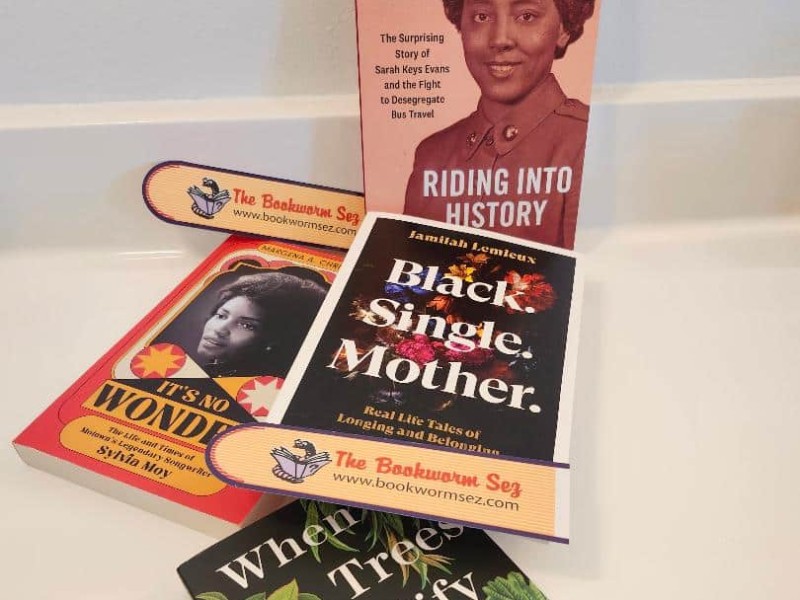
Tired of the same history books? Discover the hidden legacies of Motown’s first female producer, the soldier who preceded Rosa Parks, and the botany of Black history.