
The Truth Behind the NCAA’s Name, Image and Likeness’ Policy
By Darryl Jacobs
ESPN & CBS Sports Networks
Commentator / Analyst
For over 20 years, I had dedicated my life to collegiate athletics as a head men’s basketball coach and administrator. And let me tell you—there has never been a more significant game-changer in college sports than Name, Image, and Likeness (NIL).
It has cracked the foundation of the NCAA’s traditional model, turning college athletes into entrepreneurs, brands, and millionaires overnight. But here’s the truth: while NIL has opened the floodgates of opportunity, it has also unleashed chaos.
Since the NCAA lifted NIL restrictions in 2021, we’ve witnessed everything from social media influencers cashing into booster collectives throwing around massive paydays in a wild, unregulated market. Schools with deep pocketed donors have turned recruiting into an arms race while others struggle to compete.
Athletes are now making business decisions as much as they make plays on the fields or courts. The system is far from perfect, and the cracks are showing. That’s why the NCAA, conferences, and lawmakers are scrambling to introduce new regulations that will define the future of college athletics.
Right now, the NIL market is dominated by superstar athletes in the sports of football and basketball raking in seven-figure deals. Meanwhile, booster-led collectives-essentially college sports’ version of venture capitalist stockpiling cash to lure recruits.
But here’s the catch: Is it sustainable? The disparity between high-profile and lesser-known athletes, between revenue and non-revenue sports, and between men’s and women’s athletics is growing wider. If college sports will survive this new era, we need a game plan.
One of the most talked-about proposals is a four-year NIL eligibility limit. This would mean that an athlete can only earn NIL money for four years from their initial college enrollment—no matter if they redshirt, get injured, or pursue a graduate year.
The goal? Stop the endless carousel of NIL deals and keep college sports from turning into a minor league system. At the same time, the push for standardized federal legislation is gaining momentum.
Right now, NIL rules vary from state to state, creating a patchwork of confusion. A single, nationwide framework could level the playing field and bring much-needed order to the madness.
Another consideration is greater institution oversight of NIL deals. Many schools operate in the dark while third-party collectives handle the money. But that’s changing. Soon, schools may be required to track NIL deals, educate athletes on finances, and ensure payments align with fair market value.
More importantly, booster collectives—some operating like under-the-table recruiting firms—could face major restrictions, including financial disclosure requirements and bans on direct pay-for-play incentives.
Universities/Colleges are exploring new ways to fund NIL as the landscape shifts. Private equity firms—are circling collegiate athletics, seeing massive potential in media rights, sponsorships, and even direct NIL funding. Some schools may sell equity stakes in athletic programs to secure long-term investment.
Others are considering taking complete control of NIL through structured fundraising, ticket revenue allocations, and corporate sponsorships. The days of simply relying on donor collectives could soon be over.
But perhaps the most intriguing NIL evolution is revenue-sharing. Conferences that rake in billions from TV deals will now have to consider sharing with the student athletes. Whether it’s a percentage-based payout system, direct payments to players in revenue-generating sports, or tiered compensation based on performance and academics, the discussion is getting serious.
On top of that, group licensing and team-wide sponsorship deals could provide a fairer way to distribute NIL earnings, preventing a top-heavy system where only the biggest names cash in.
Another potential game-changer is fan-driven NIL models. Imagine a system where passionate supporters directly fund athletes through subscription-based memberships, crowdfunding platforms, or content revenue-sharing.
We’ve already seen athletes monetize their YouTube channels and social media followings, but this could be the next frontier in college athlete compensation.
Of course, all these possibilities come with challenges. How do we ensure Title IX compliance, so women’s sports aren’t left behind? How do we maintain a competitive balance when some schools have deeper pockets than others? Let’s not forget financial sustainability—if schools don’t carefully manage NIL funding, they could jeopardize entire athletic departments and non-revenue sports.
Beyond funding, legal battles loom large. Every new NIL regulation could face lawsuits from athletes, schools, and advocacy groups. So what is the elephant in the room?
There is a growing push to classify college athletes as employees. If that happens, NIL won’t just be about sponsorship deals—it could mean collective bargaining, salaries, and long-term benefits like healthcare and pensions.
There is one thing that is clear, NIL has forever changed the game. The question now is, how do we ensure that this new era of athlete empowerment doesn’t spiral out of control?
Potential solutions include a four-year eligibility cap, revenue-sharing models, and alternative funding sources. But this is bigger than just money. College sports are at a crossroads between amateurism and professionalism, tradition and modernization.
The future of NIL will determine whether college athletics remains a launching pad for young talent or becomes a free-market battleground where the most affluent schools win.
Either way, there’s no going back. The only thing left is moving forward and getting it right.
Darryl Jacobs is a commentator and analyst for ESPN and the CBS Sports Networks.
Related Articles
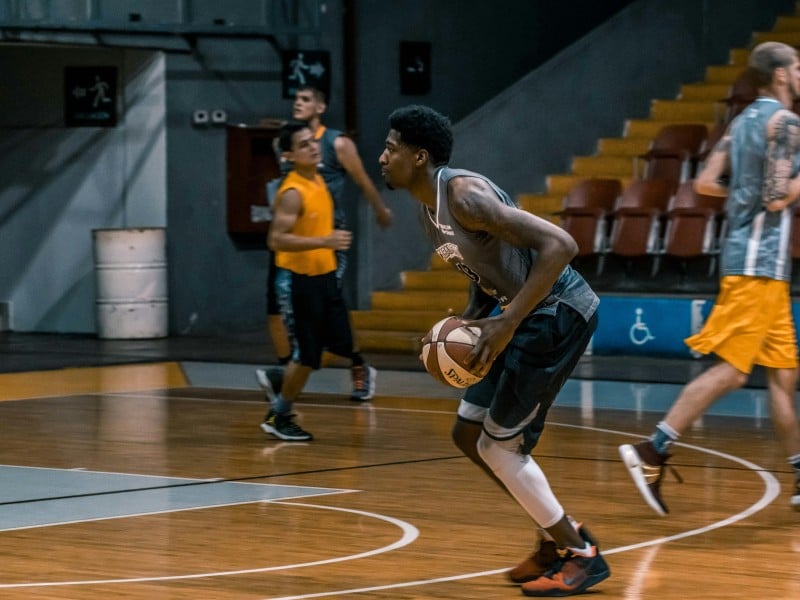
When The Odds Control The Court
Inside the 2026 scandal that exposed a new era of game manipulation in Division I basketball

New York Cosmos Return To Classic Green Ahead Of Hinchliffe Stadium Debut
The New York Cosmos reveal their 2026 green jersey ahead of their USL League One season at Hinchliffe Stadium.