
Fairleigh Dickinson University Hosts Summit to Address America’s Loneliness Epidemic
As the necessity for greater mental health awareness continues to rise across America, more initiatives have been taken to inform and guide those living with mental illness and seeking options for treatment, as well as their families and caregivers.
Responding to this call to action, The Community Chest of Eastern Bergen County recently held the “Summit on Combating the Loneliness Epidemic” at Fairleigh Dickinson University to discuss how loneliness and isolation have led to a public health crisis.
“We wanted to undertake a meaningful community project around an issue that’s a concern to the whole community,” said Shelly Wimpfheimer, executive director of The Community Chest. “During the summer, I became aware of a report issued by Vice Admiral Vivek Murthy, the U.S. Surgeon General. I read the report and I found it completely overwhelming. He described a social problem in this country – really in the world – that is of huge proportion. He called it a ‘pandemic.’”
According to the Surgeon General’s report, approximately half of U.S. adults identified loneliness and social isolation as problems in their lives, with some of the highest rates being among young adults. Seeing this recent epidemic as a priority, particularly due to the rise of COVID-19, The Community Chest invited leaders and professionals from various sectors to this Summit to share their findings on how loneliness affects people of different ages and backgrounds, as well as their environments.
The Summit, which garnered the support of attendees from many different walks of life, included health care and mental health providers, representatives of businesses, organizations in support of senior citizens and teen advocates and experts. Attendees took part in workshops that allowed them to share their experiences with loneliness and learn new ideas and techniques to help cope with their isolation.
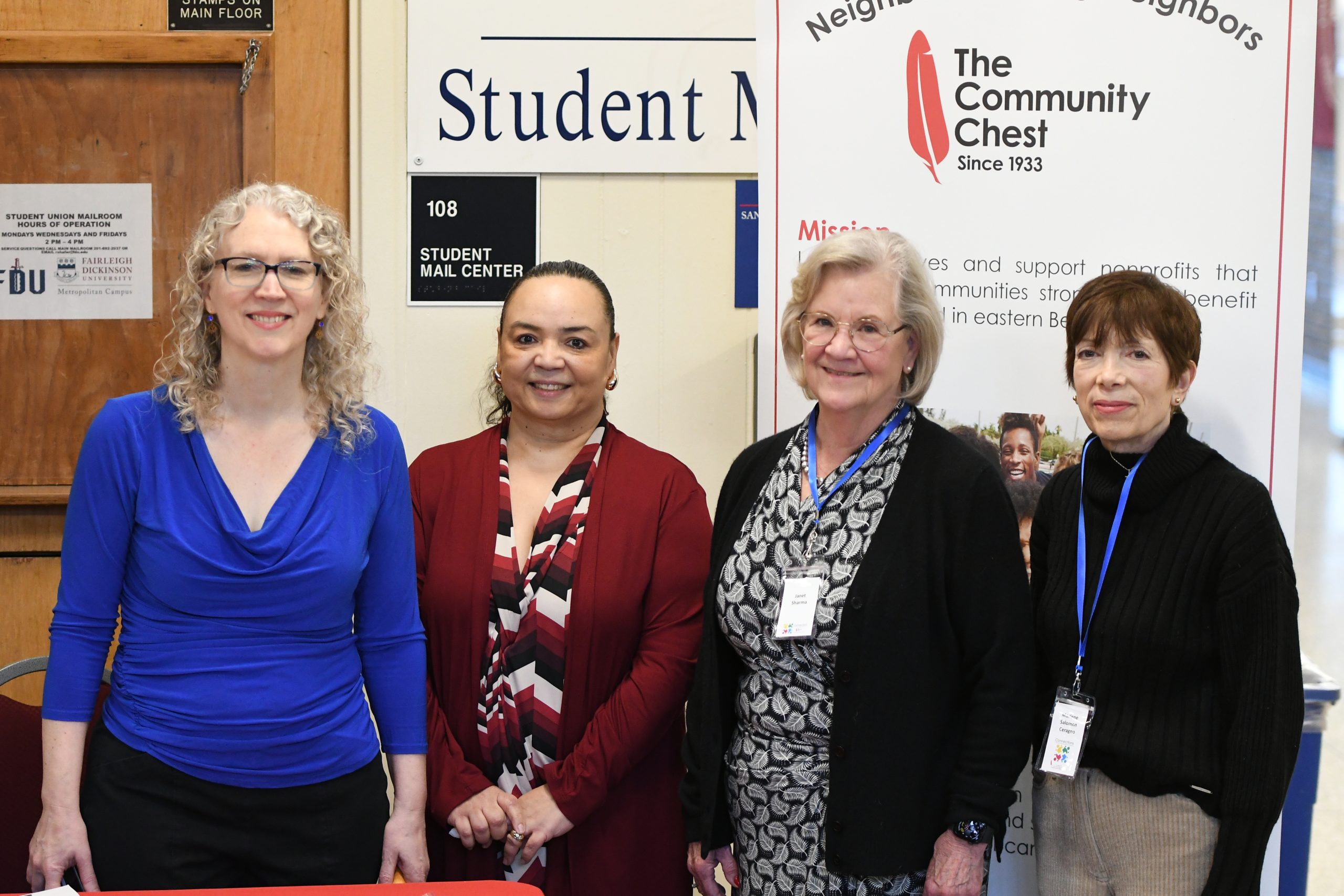
“It was great to be in community with other professionals working on the topic of loneliness in a variety of ways and recognizing that there are many different ways that this needs to be addressed and also many different approaches that exist,” said panelist Yuna Youn, clinic director of Korean Community Services of Metropolitan New York.
Summit participants included New Jersey General Assemblywoman Shavonda E. Sumter, president and CEO, Children’s Aid and Family Services, who served as the keynote speaker and addressed the toll that the loneliness epidemic and mental health challenges continue to take on communities across the U.S.
“I became invested [in combating this epidemic] probably early in my career and just caring about people – not only our older adults but also our young people who suffer from loneliness – recognizing that it has a billion-dollar impact on the health care system as well as more than a billion dollars on the workforce. We don’t want to see a life lost too soon for feelings of loneliness. So, the way you combat it is to really start talking about it, to socialize it, so people recognize it as a health crisis.”
Sumter shared her commitment to ending this public health crisis by promoting “social connectedness.” According to Sumter, this means, “being sure that we create social spaces, not only for gathering but for people to connect. Using social media, the Internet, as well as local spaces, community partners, which is what we’re doing today, to create safe spaces for social connection.”
As The Community Chest explored new areas for solutions to the loneliness epidemic, Kelsey Zlevor, a spatial strategist/design researcher specializing in “Creative Placemaking,” was invited to discuss her findings on creating open and welcoming public spaces for people with mental health issues, specifically depression. She also hosted an interactive workshop after the Summit that allowed attendees to apply what they learned to design spaces based on their happiest memories, showing how those spaces can affect one’s well-being.
Inspired by her own experience living alone with depression during the pandemic, Zlevor claims to have used parks as a coping mechanism that helped her to understand her symptoms, eventually becoming the catalyst for her groundbreaking work.
“I think the pandemic showed us that a lot of people are going to experience loneliness and depression regardless of whether those [safe] spaces are in place,” Zlevor said. “And so, thinking now in this new phase, how do we use that to influence design?” The Northern New Jersey Community Foundation sponsored Zlevor’s conference session and workshop.
According to comments from participants and presenters at the Summit, loneliness is indeed a serious and complex problem which can be experienced by individuals in a plethora of ways. The Summit also illustrated that there remain unique ways the community can and should support those trying to cope with loneliness, embedding what Zlevor calls “cultures of care into American culture.”
However, as Youn emphasized, this epidemic comes down to those who battle it, “validating and legitimizing their dignity,” by seeing the worth in their stories with loneliness and sharing them with the world.
“It’s really therapeutic and it’s really important. But more than that, within the past few years, it’s a matter of survival,” Youn said.
Related Articles


With A Bit Of A Flourish, Cursive Handwriting Returns For Elementary School Students
New Jersey will require public schools to bring back cursive writing instruction beginning in the 2026–2027 school year.

David Wants To Learn With Typical Kids. Cherry Hill Won’t Let Him.
A New Jersey family’s fight exposes ongoing resistance to inclusive education for students with disabilities, despite federal law.